England's Rivers Show Biodiversity Gains Despite Poor Health Scores
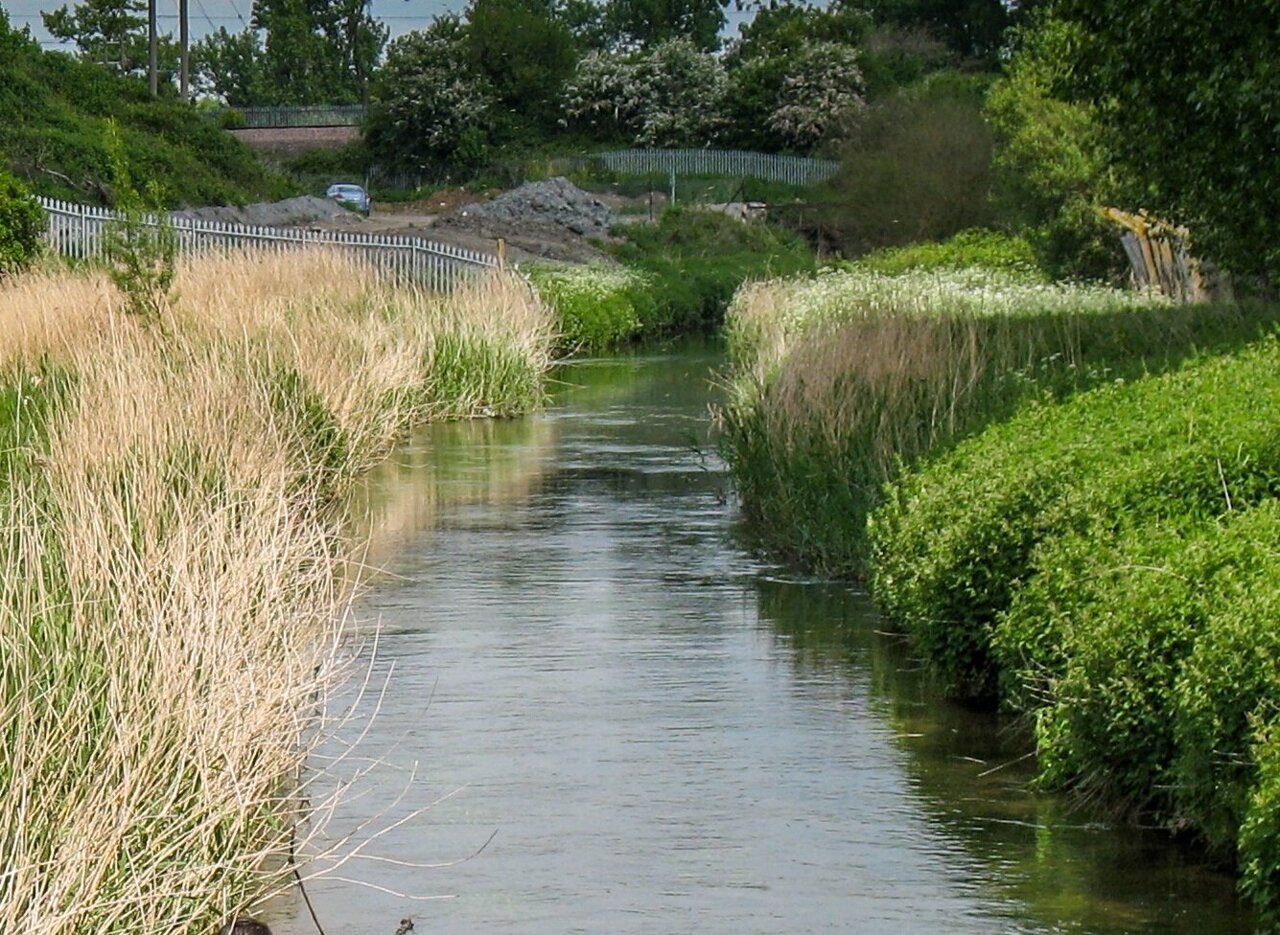
Understanding the State of England’s Rivers
A recent assessment of England's rivers highlights that only 14% are in good ecological health. However, an independent report suggests that this figure may not fully reflect the improvements in freshwater biodiversity. The report proposes a new approach to monitoring the health of water bodies, aiming to provide a more accurate and comprehensive picture.
A Review of the Water Framework Directive
The UK Centre for Ecology & Hydrology (UKCEH) led a review of the ecological status assessments under the Water Framework Directive (WFD). The review criticized the "one out, all out" approach used by the WFD, which means that if one element, such as a chemical, exceeds the threshold, the entire waterbody is considered not in good ecological status. This method overlooks other factors that might be within acceptable limits.
The Cunliffe report, published on 21 July, recommends that the UK Government consider the findings of this review. It suggests implementing a regular biodiversity audit that could be introduced quickly and work alongside the WFD.
Chemical Pollutants and Their Impact
Chemical pollutants from agriculture, industry, wastewater, and roads often end up in rivers, lakes, and other waterbodies. Despite this, analyses of Environment Agency sampling data show significant improvements in species richness of invertebrates, plants, fish, and benthic algae over recent decades.
The proposed biodiversity audit would offer a clearer understanding of the status of different species at any given location. It would be supported by statistical analysis of associated monitoring data on chemical concentrations, habitat quality, water temperature, and flow to identify what elements might be suppressing biodiversity.
Providing a Clearer Picture
While the WFD assessments are updated every six years, the statistical analysis would be conducted annually based on Environment Agency sampling data. This would provide a clearer and simpler picture of how human activities affect wildlife, supporting the goal of improving biodiversity.
Previous analyses by UKCEH have shown that increases in the diversity of freshwater invertebrates correlate with reductions in metal pollution and improvements in wastewater treatment over the last 30 years.
Changing the Focus
The review authors, from UKCEH, The James Hutton Institute, and AtkinsRéalis, note that their recommendations do not require major changes to current monitoring arrangements. Instead, they suggest a shift in focus to reporting on biodiversity as the endpoint and introducing statistical methods to determine what hinders further improvements.
In the long term, the proposed surface waterbody biodiversity audit, along with chemical quality and human health standards, could replace the WFD classification. The WFD, introduced by the EU and retained by the UK after Brexit, requires governments to achieve at least good ecological status for all surface water bodies by 2027. However, it is likely that this target will not be met.
Healthy Improvements
Despite concerns about the state of rivers, Professor Andrew Johnson of UKCEH states that ecological health is generally better than it was in the 1980s. If the proposed biodiversity audit were implemented, over 54% of rivers in England could achieve at least good ecological status, compared to the current 14%.
The Independent Water Commission, led by Sir Jon Cunliffe, has recommended reforms to the regulations and scope of the WFD in the UK. It advises the government to consider the UKCEH-led review on how to reform the good ecological status metric.
The UKCEH-led review of the WFD is expected to form part of the evidence base for any changes to the methods used to measure and report on the water environment.

Post a Comment for "England's Rivers Show Biodiversity Gains Despite Poor Health Scores"
Post a Comment