End the HR Mentality — Integrate Mental Health Into Your Culture
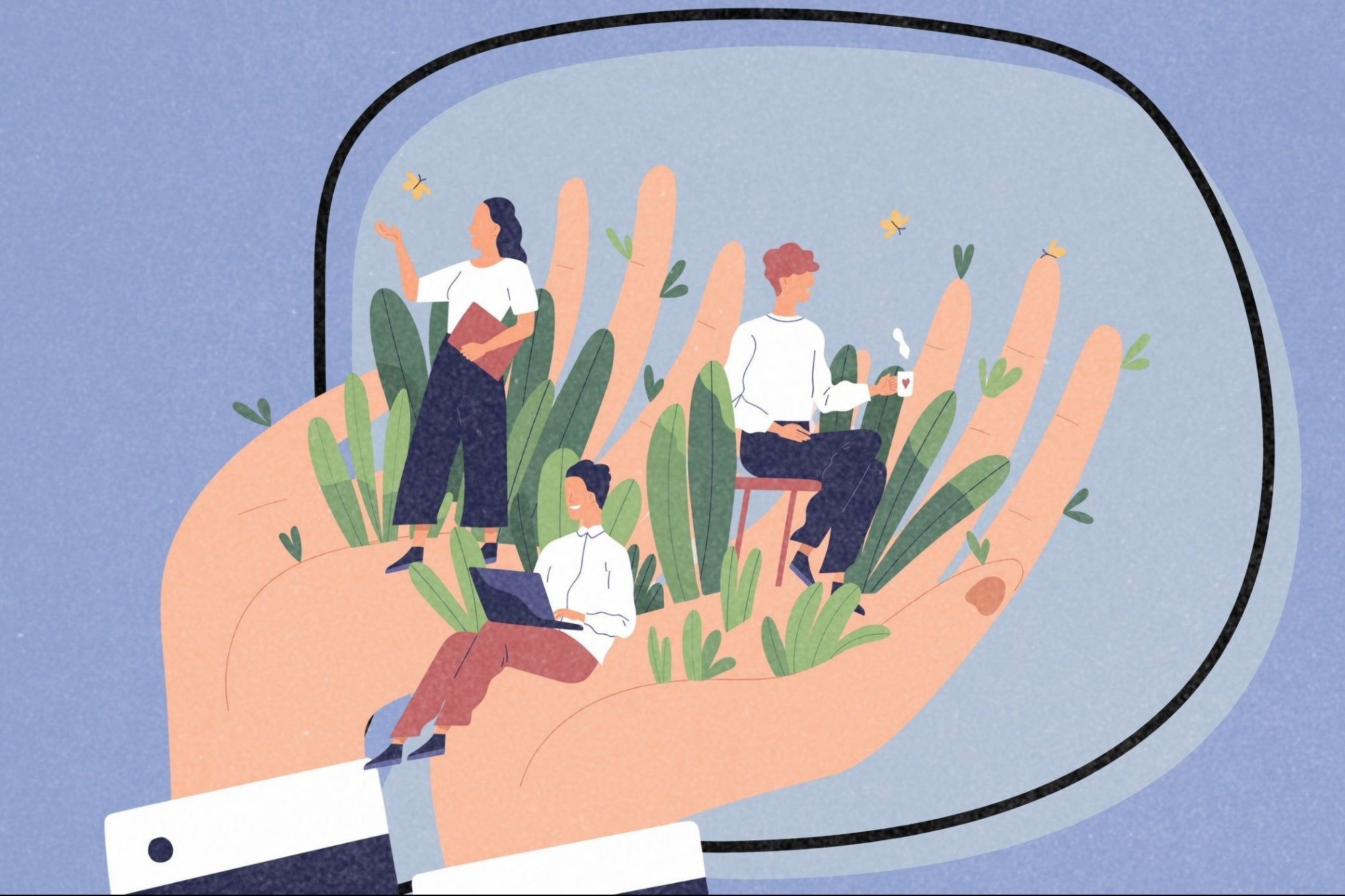
Understanding the Importance of Mental Health in the Workplace
A company's approach to helping its employees manage stress can reveal a great deal about its culture and values. As a founder and business leader, I believe that mental health is an essential component of a healthy workplace environment. This understanding goes beyond just offering benefits or having an HR hotline. It's reflected in how employees talk about stress, when they seek help, and how they support one another. While mental health benefits are important, it's the internal education and promotion of these resources that turn them into tools that people actually use.
Mental health education is not just a nice-to-have; it’s a critical business strategy. Employees are more likely to engage with support systems if they can recognize early warning signs such as chronic exhaustion, irritability, declining performance, or isolation from colleagues. They also benefit from knowing the right language to describe their experiences and feeling confident that being open about their struggles won’t harm their credibility within the company.
Supporting Employees Through Skills Development
You can support your employees by teaching them skills to recognize when they or their teammates are overwhelmed. This includes learning how to negotiate, discuss, and set boundaries when workloads change, as well as how to make clean hand-offs when tasks become too much. Brief, skills-based training can be highly effective in this area. Video-based mental health training has helped companies across various industries better equip their teams to protect and openly discuss mental well-being. These sessions can normalize difficult conversations, build emotional literacy, and create a more proactive work environment.
Building Trust Through Emotional Literacy
Trust within teams is rooted in clarity of roles, shared goals, and empathy for each person’s challenges. Emotional literacy—the ability to notice, understand, and respond to others’ cues—is central to this. When communication is transparent and listening is done with compassion, collaboration becomes more seamless. Leaders don’t need to be clinicians to make progress on this front. They simply need to prioritize checking in on workload and well-being, listen actively, and take action based on what they hear.
Simple check-in exercises during team meetings can provide visibility into capacity. Pairing these with occasional workshops or facilitated dialogues gives managers a clear playbook for rebalancing work, resetting timelines, or referring someone to support. Making confidentiality and acceptance clear ensures that employees know expressing concern or seeking help will lead to positive outcomes, not penalties.
Integrating Mental Health Education Into Daily Routines
Education works best when it is integrated into a team’s regular routines. It doesn’t require building a formal Learning & Development department unless the company is large. Including mental health support skills in onboarding and leadership development helps these skills become second nature, just like any other job skill. Define the behaviors you expect and practice them regularly until they become part of the culture.
Teaching Skills That Protect Engagement
According to recent data, 17% of U.S. employees are actively disengaged at work. Disengagement often happens when people feel overwhelmed and isolated, leading to lower effort and productivity. Mental health education fills this gap by making well-being a practical goal. Teach teams to set limits that protect quality without falling into perfectionism. Show how prolonged stress affects judgment and how to reset priorities when high workloads lead to diminishing returns. Encourage peer support by normalizing the act of helping teammates during busy times. Younger employees, in particular, are quick to notice cultural cues and tend to join companies that prioritize well-being.
Empowered Managers Create Safer, Stronger Teams
Most managers haven’t been trained on how to handle mental health topics as part of their role. Providing them with applicable training and tools can have a significant impact. Train managers to ask questions that reveal a teammate’s situation without intruding. Offer clear next steps for common issues like workload spikes or late nights. Make the referral path to professional support easy so managers don’t hesitate when an employee needs help.
With consistent implementation of these first-line-of-defense strategies, workplace confidence increases, and teams feel steadier because everyone knows the playbook.
Tracking Progress and Measuring Success
There are several ways to track your company’s progress in these areas. Run brief pulse checks on stress, psychological safety, and perceived support. Measure trends in retention, absenteeism, new hire referrals, and employee output metrics like project completion and quality. Watch for adoption signals such as training participation and early outreach. Focus extra attention on areas where the data indicates improvement is needed.
Be clear and genuine in your commitment to supporting your people. It’s important that measurement is used to take positive action and build trust, not to create an uncomfortable sense of oversight.
The Impact of Mental Health Education on Business Performance
When mental health education is embedded into the company culture, performance follows. Teams that understand stress and communicate clearly produce better work consistently. While it's unrealistic to eliminate pressure entirely, it is realistic to build skills and trust that prevent burnout. When targeted mental health education is added, benefits are used when needed, minor issues stay minor, and the company’s reputation for performance and care grows. This kind of environment attracts high-potential talent, retains them, and encourages them to recommend the company to others—making a real difference as the business continues to grow.

Post a Comment for "End the HR Mentality — Integrate Mental Health Into Your Culture"
Post a Comment