Elon Musk Reveals Tesla's $16.5B Chip Deal with Samsung
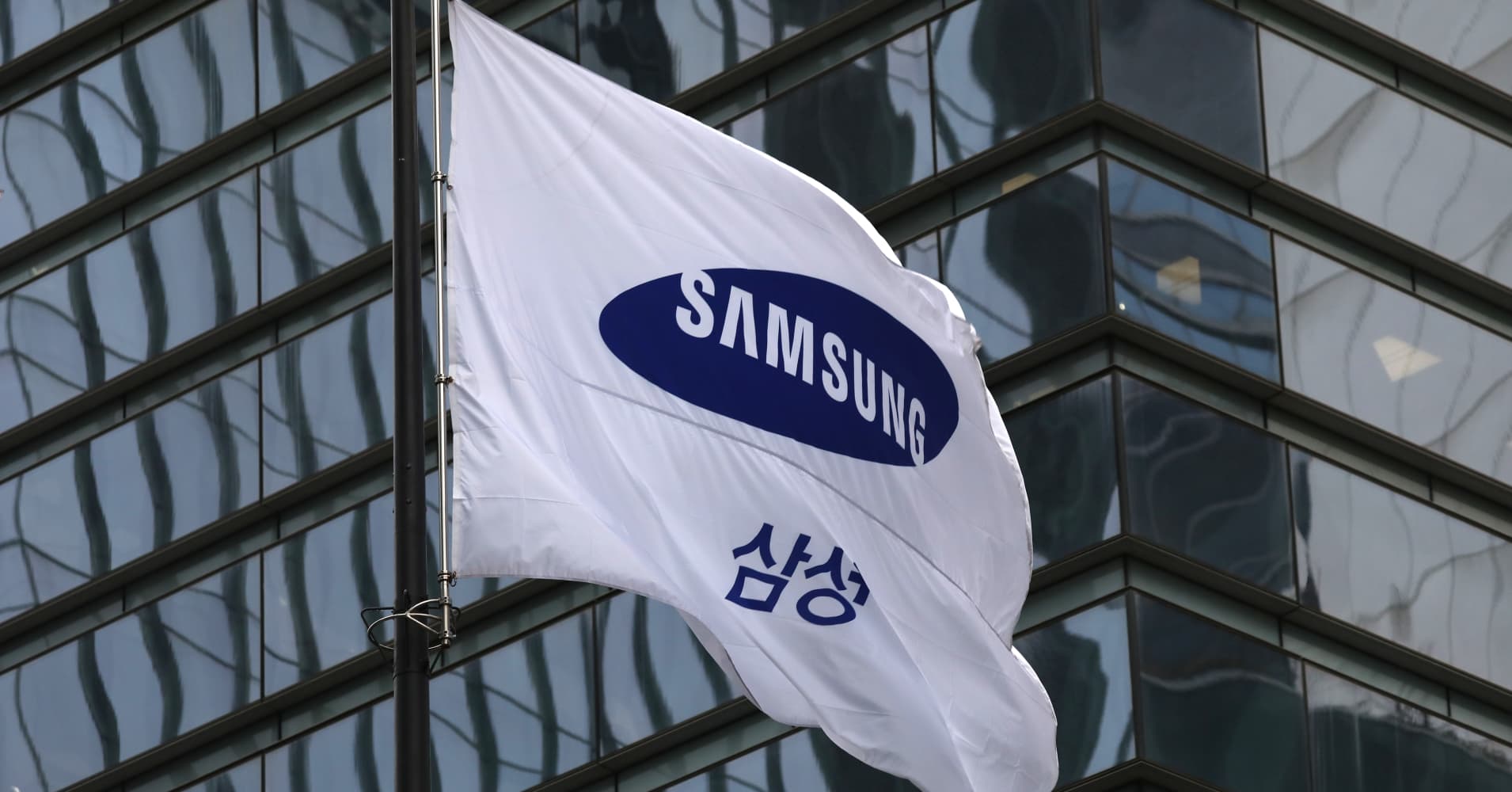
Major Semiconductor Deal Between Tesla and Samsung
Elon Musk recently confirmed that Tesla has entered into a significant $16.5 billion chip contract with Samsung, marking a major development in the automotive and semiconductor industries. This agreement highlights the growing reliance of tech companies on advanced chip manufacturing to support their next-generation technologies.
According to a regulatory filing by Samsung, the effective start date of the contract was July 26, 2025, which marks the receipt of orders, and its end date is set for December 31, 2033. While Samsung initially did not disclose the counterparty, Musk later confirmed on social media platform X that Tesla was indeed the company involved in the deal. His statement emphasized the strategic importance of this partnership, particularly as it relates to the production of Tesla’s next-generation AI chips.
Musk shared additional insights about the collaboration, stating that Samsung's new Texas fabrication plant will be dedicated to producing Tesla’s AI6 chip. He also noted that while TSMC will handle the production of the AI5 chip, which has just completed its design phase, Samsung’s role in this project underscores its growing influence in the global semiconductor landscape.
Strategic Implications of the Partnership
The deal between Tesla and Samsung includes provisions for Tesla to assist in maximizing manufacturing efficiency, a critical factor in ensuring the success of high-volume chip production. Musk highlighted his personal commitment to accelerating progress, suggesting that the final value of the contract could exceed the announced $16.5 billion.
Samsung has been cautious about disclosing details of the agreement, citing the need to protect trade secrets. According to a translated version of the filing, the company requested confidentiality until the end of 2033. As a result, investors are advised to approach the deal with caution, considering the possibility of changes or termination of the contract.
Despite these uncertainties, Samsung’s stock rose over 6% on Monday, reaching its highest level since September 2024. This positive market reaction reflects investor confidence in the company’s long-term growth prospects.
Broader Industry Context
Samsung’s foundry service plays a crucial role in the semiconductor industry, manufacturing chips based on designs provided by other companies. It is the second-largest provider of foundry services globally, trailing only Taiwan Semiconductor Manufacturing Company (TSMC). The company has set ambitious goals for its foundry business, including the commencement of mass production of 2-nanometer chips and securing major orders for next-generation technology.
Smaller nanometer sizes allow for more compact transistor designs, leading to greater processing power and efficiency. This advancement is critical for meeting the growing demand for high-performance chips used in artificial intelligence (AI), data centers, and other cutting-edge applications.
In addition to its partnership with Tesla, Samsung has also been working on securing contracts for its 2-nanometer technology. Local South Korean media outlets have reported that American chipmaker Qualcomm may place an order for chips manufactured using this advanced process.
Challenges and Competition
Despite its technological advancements, Samsung faces challenges in capturing AI-related demand, particularly in the high-bandwidth memory (HBM) chip market. SK Hynix, the leader in HBM, has become the primary supplier of these chips to Nvidia, a major player in the AI sector. Samsung has reportedly been working to get its latest HBM chips certified by Nvidia, but recent reports suggest these plans have been delayed until at least September.
This delay highlights the competitive nature of the semiconductor industry, where even minor setbacks can impact a company’s position in key markets. Analysts have pointed to weak orders for Samsung’s foundry business and difficulties in capitalizing on AI demand as factors contributing to its recent earnings forecast.
As Samsung prepares to release its second-quarter results, the company is expected to face continued pressure from competitors such as SK Hynix and Micron. However, the partnership with Tesla and its ongoing investments in advanced chip manufacturing could position it for future growth.

Post a Comment for "Elon Musk Reveals Tesla's $16.5B Chip Deal with Samsung"
Post a Comment