Eight Youngkin Board Members Barred from Service, Judge Rules
The Legal Battle Over Virginia's University Boards
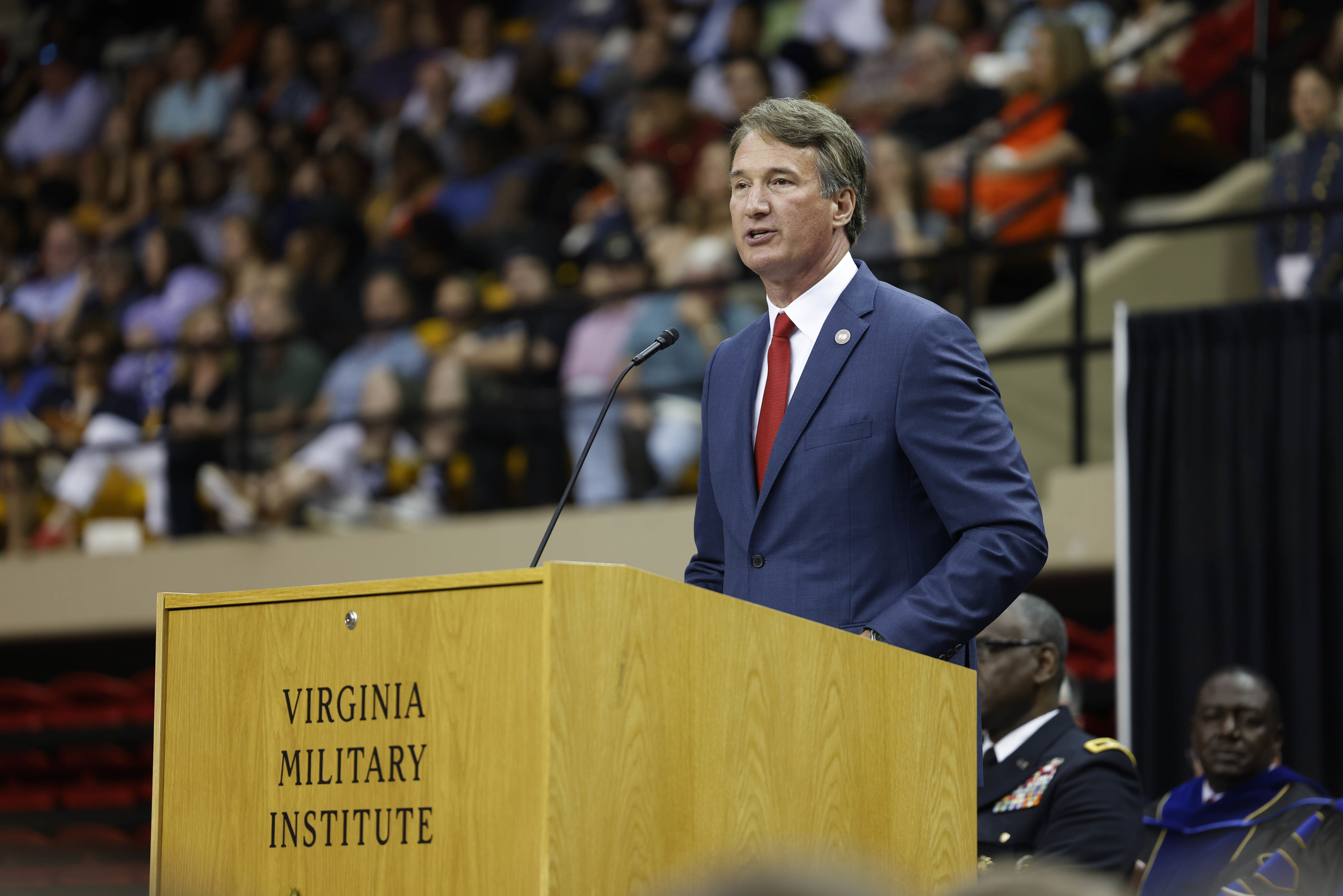
A recent court ruling has thrown the spotlight on a constitutional dispute in Virginia, involving the state’s public university boards. Eight of Governor Glenn Youngkin’s appointees to these boards are now barred from serving due to a preliminary injunction issued by a Fairfax County Circuit Court judge. This decision marks a significant moment in the ongoing conflict between the Youngkin administration and Democratic leaders over the governance of Virginia’s higher education institutions.
The controversy began when a Democratic-controlled Senate committee voted to reject several appointments to the boards of the University of Virginia, George Mason University, and Virginia Military Institute. The Democrats argued that this rejection should result in the immediate removal of the appointees. However, Youngkin and his attorney general, Jason S. Miyares, maintained that the full General Assembly must approve any appointments, and until then, the nominees should remain in their positions.
This disagreement left the heads of the university boards in a difficult position as annual meetings approached. In response, Senate Democrats filed a lawsuit against the board chairs, claiming that Youngkin, Miyares, and Education Secretary Aimee Rogstad Guidera were disregarding legislative authority and creating a constitutional crisis. The lawsuit sought to prevent the disputed appointees from serving and to declare that board members who allow them to participate are violating their duties.
In his ruling, Judge Jonathan D. Frieden sided with the Senate Democrats, stating that the committee’s rejection constituted a refusal by the General Assembly. He concluded that the eight appointees could no longer serve on the boards and that the rectors should no longer recognize them. The governor’s office, however, expressed disagreement with the court’s decision and indicated plans to appeal to the Supreme Court.
The Broader Implications
This legal battle is not just about individual appointments; it reflects a larger struggle over the direction of Virginia’s higher education system. The Trump administration has been involved in several investigations into Virginia’s colleges, leading to resignations and concerns about academic freedom. At the University of Virginia, former president James E. Ryan stepped down amid ongoing investigations, while George Mason University faced multiple probes, raising fears about potential efforts to remove its first Black president, Gregory Washington.
The governing boards of Virginia’s universities play a crucial role in hiring presidents and setting tuition rates. These boards often include prominent figures from business, civic leadership, and political circles. Youngkin’s appointees have fully controlled every university board, with some having ties to the Heritage Foundation and Project 2025, as well as previous roles in the Trump administration.
Among the most notable of the eight appointees was Ken Cuccinelli II, a former attorney general known for his past investigation of a U-Va. climate scientist, and Caren Merrick, Youngkin’s former commerce secretary. Their presence on the boards has sparked intense debate over the influence of political affiliations on academic governance.
Constitutional Questions and Public Concerns
Much of the July 25 hearing focused on the definition of the word “refuse” and whether the entire General Assembly needed to directly vote to refuse the appointments. Judge Frieden ruled that the committee’s rejection was sufficient to constitute a refusal. This decision has significant implications for how future appointments are handled and the balance of power between the executive and legislative branches.
Christopher Michel, representing the university board chairs, argued that the senators lacked standing because they did not suffer direct harm from the appointees continuing to serve. However, Mark Stancil, representing the senators, contended that lawmakers being ignored posed a constitutional crisis and that the rectors could be held responsible if unauthorized individuals participated in board meetings.
Frieden agreed with the senators, stating that allowing the disputed appointees to sit essentially nullified the votes cast by the plaintiffs, which qualified as irreparable harm.
Political Reactions and Public Outcry
Prominent Virginia Democrats have criticized the Trump administration’s involvement in the state’s university system and accused Youngkin and his Republican allies of enabling this interference. Former Governor L. Douglas Wilder, the first elected Black governor of Virginia, defended diversity, equity, and inclusion initiatives, calling them essential tools of fairness.
House Speaker Don Scott highlighted the use of antisemitism as a pretext to attack the university system, pointing to the case of Harold Pyon, a recent GMU board appointee accused of antisemitism. Scott noted that Youngkin appointed a person who had authorized an allegedly antisemitic campaign mailer, questioning the administration’s commitment to combating such issues.
As the legal battle continues, the outcome of the appeal to the Supreme Court of Virginia will likely shape the future of higher education governance in the state. The situation underscores the complex interplay between politics, academia, and constitutional law, with far-reaching implications for the integrity of Virginia’s universities.

Post a Comment for "Eight Youngkin Board Members Barred from Service, Judge Rules"
Post a Comment