Eddie Palmieri, Latin Jazz Pioneer and First Latino Grammy Winner, Dies at 88
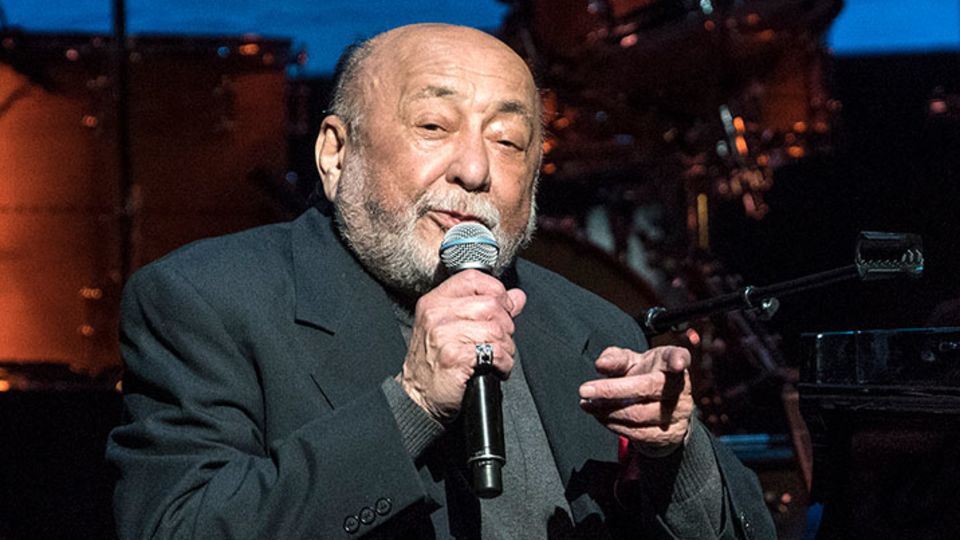
A Legacy of Innovation and Excellence
Eddie Palmieri, a pioneering figure in the world of rumba and Latin jazz, has passed away at the age of 88. His death was announced by Fania Records on Wednesday evening. According to his daughter Gabriela, he passed away earlier that day at his home in New Jersey after a long illness. Known for his avant-garde style and groundbreaking contributions to music, Palmieri left an indelible mark on the Latin music scene.
Early Life and Musical Beginnings
Born on December 15, 1936, in New York’s Spanish Harlem, Palmieri grew up in a time when music was seen as a way to escape the challenges of the ghetto. He began studying the piano at a young age, following in the footsteps of his famous brother, Charlie Palmieri. However, at just 13 years old, he found himself drawn to the drums, playing timbales in his uncle’s orchestra. Despite this early passion, he eventually returned to the piano, expressing his frustration as a percussionist through his compositions.
Palmieri's first Grammy win came in 1975 for the album “The Sun of Latin Music.” He continued to release music well into his 80s, even performing during the coronavirus pandemic through livestreams. In a 2011 interview with The Associated Press, he humorously reflected on his lifelong pursuit: “Learning to play the piano well. … Being a piano player is one thing. Being a pianist is another.”
Career Highlights and Grammys
Throughout the 1950s, Palmieri dabbled in tropical music as a pianist with the Eddie Forrester Orchestra. He later joined Johnny Seguí’s band and Tito Rodríguez before forming his own group, La Perfecta, in 1961. This ensemble was unique for featuring a trombone section instead of trumpets, setting it apart from other Latin orchestras of the time.
La Perfecta quickly gained recognition, joining the ranks of legendary acts like Machito and Tito Rodríguez. Palmieri released several albums on labels such as Alegre and Tico Records, including the 1971 classic “Vámonos pa’l monte,” which featured his brother Charlie as a guest organist. Charlie Palmieri passed away in 1988.
In 1974, Palmieri released “The Sun of Latin Music” with a young Lalo Rodríguez, making it the first Latin production to win a Grammy. The following year, he recorded “Eddie Palmieri & Friends in Concert, Live at the University of Puerto Rico,” which many fans consider a salsa gem.
Global Influence and Recognition
During the 1980s, Palmieri won two more Grammy Awards for the albums “Palo pa’ rumba” (1984) and “Solito” (1985). He also introduced the vocalist La India to the salsa world with the production “Llegó La India vía Eddie Palmieri.”
In 2000, he released “Masterpiece,” teaming up with the legendary Tito Puente, who died that same year. The album received critical acclaim and won two Grammy Awards. It was also named the most outstanding production of the year by the National Foundation for Popular Culture of Puerto Rico.
Throughout his career, Palmieri collaborated with numerous renowned musicians, including timbalero Nicky Marrero, bassist Israel “Cachao” López, trumpeter Alfredo “Chocolate” Armenteros, trombonist Lewis Khan, and Puerto Rican bassist Bobby Valentín.
Cultural Ambassador and Legacy
Palmieri was not only a musician but also a cultural ambassador, bringing salsa and Latin jazz to audiences around the world, from North Africa to Australia, Asia, and Europe. His work helped bridge musical traditions and fostered a deeper appreciation for Latin rhythms.
In 1988, the Smithsonian Institute recorded two of Palmieri’s concerts for the catalog of the National Museum of American History in Washington. Yale University honored him with the Chubb Fellowship Award in 2002, an award typically given to international heads of state, in recognition of his efforts to build communities through music.
In 2005, he made his debut on National Public Radio as the host of the program “Caliente,” which reached over 160 radio stations across the country.
Despite feeling a sense of musical loneliness in 2010 due to the passing of many of his contemporaries, Palmieri remained a vital force in the music world until the end. His legacy continues to inspire new generations of musicians and fans alike.

Post a Comment for "Eddie Palmieri, Latin Jazz Pioneer and First Latino Grammy Winner, Dies at 88"
Post a Comment