Easy Cheese to Make at Home Doubles as a Tasty Meat Substitute
The Benefits of Meat-Free Mondays
Meat-free Mondays can be a simple yet impactful way to improve your health, reduce your environmental footprint, and even save money. By choosing plant-based alternatives, you can enjoy the benefits of a more sustainable diet without breaking the bank. For those looking for an affordable and versatile option, paneer cheese offers a great solution.
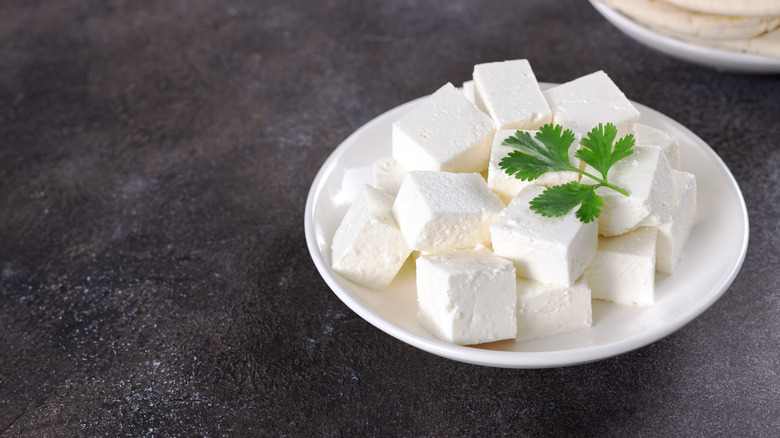
Paneer is a type of fresh cheese commonly used in Indian cuisine. It has a soft yet firm texture that makes it an excellent substitute for meat in many dishes. Its ability to absorb spices, sauces, and marinades makes it ideal for grilling, frying, or incorporating into various recipes. Not only can it replace pork, chicken, or beef, but it can also serve as an egg substitute in some cases. For instance, Shivani Dhamija, who sells Indian-style sauces at Shivani's Kitchen, often prepares scrambled paneer for her husband, who is allergic to eggs.
How to Make Paneer at Home
Making paneer at home is simpler than you might think. The process is similar to making homemade ricotta. Start by boiling milk in a pot, stirring to prevent scorching. Then, simmer the milk over low heat while adding vinegar or lemon juice until it curdles. You can also use cottage cheese to help with the curdling process. Once the milk separates into solid curds and liquid whey, drain the curds in a cheesecloth-lined strainer and squeeze out as much liquid as possible.
To make paneer firm enough to act as a meat substitute, an extra step is required: pressing the curds under a heavy weight for 20 minutes to overnight. The longer you press it, the firmer the paneer becomes, which is ideal for frying. After pressing, remove the cheesecloth and cut the paneer into desired pieces. If not using immediately, store it in a covered container filled with water and refrigerate for up to four days.
Don’t Throw Away the Whey
The whey left after making paneer is rich in protein and should not be discarded. It can be used in soups, breads, or as cooking liquid for pasta or rice. You can even add it to smoothies if you don't mind its acidic flavor. If you prefer not to use it, whey can also be added to bathwater, used as a hair rinse, or poured on plants to provide nutrients.
Versatile Uses for Paneer
Paneer is incredibly versatile and can be used in a wide range of dishes. From traditional Indian recipes like paneer tikka, palak paneer, and matar paneer to fusion dishes such as stir-fries, stuffed peppers, and quesadillas, there are countless ways to enjoy this cheese. It can also be tossed into pasta sauces instead of meatballs, used as a pizza topping, or added to salads for a light entree or hearty side.
In addition to savory dishes, paneer can be incorporated into desserts. In India, it’s used to make a cheesy version of kheer, a popular pudding, and rasmalai, a creamy dessert made with paneer dumplings soaked in saffron-infused milk. It can also be used in fusion recipes like cheesecake and pound cake.
Conclusion
Whether you're observing Meat-Free Mondays or simply looking for a nutritious and affordable alternative to meat, paneer offers a delicious and flexible option. With its ability to absorb flavors and its versatility in both traditional and modern recipes, paneer is a valuable ingredient to have in your kitchen. Plus, making it at home is easy and cost-effective, allowing you to enjoy its benefits without the need for expensive substitutes.

Post a Comment for "Easy Cheese to Make at Home Doubles as a Tasty Meat Substitute"
Post a Comment