East Texas Leaders Respond to Democrats' Quorum Break in State House
Texas Legislative Standoff: Democrats Leave State to Block Redistricting Efforts
As the political landscape in Texas continues to shift, a significant development has emerged involving the state’s legislative process. With a growing number of Democratic State Representatives leaving the state, the Texas House of Representatives has been unable to convene during a special session. This move is part of a broader strategy aimed at preventing the passage of new congressional maps that could favor Republican candidates.
The situation has sparked intense debate among political leaders and legal experts. The Republican-led initiative seeks to redraw the state’s district boundaries for U.S. House representatives, potentially creating five additional Republican seats in the national legislature. This effort has drawn criticism from various quarters, with some legal scholars arguing that it lacks a solid legal foundation.
Perspectives from Both Sides
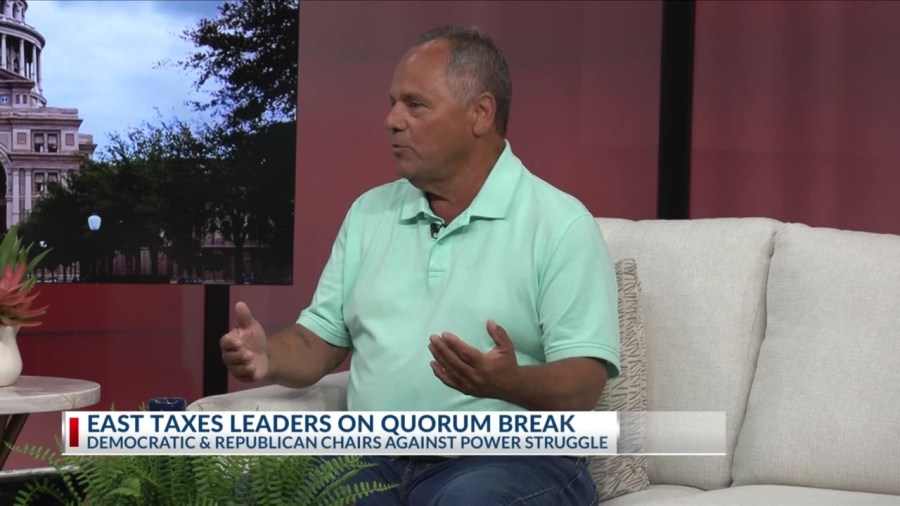
In response to the ongoing developments, KETK spoke with key figures from both major political parties. Hector Garza, the Smith County Democratic Party Chair, expressed his support for the Democratic legislators who have left the state. He described the actions as a form of "tit for tat," referencing previous instances where the Republican party ended sessions prematurely without reaching final votes on important issues.
Garza emphasized the importance of standing up for the voices of marginalized communities, particularly the Black and Hispanic populations. He argued that the current efforts by the Republicans are not just about redistricting but also about ensuring that these communities have a say in their representation.
On the other side, David Stein, the Smith County Republican Party Chair, compared the Democrats’ departure to a scene from a 1960s sitcom, suggesting that such tactics have been used before. He acknowledged that while the actions may be controversial, they are not illegal and are part of the political process.
Stein urged the Democrats to return to Texas and continue their legislative work, even if they disagree with the current initiatives. He stressed the importance of fulfilling their duties as elected officials, regardless of personal preferences.
Legal Implications and Future Outlook
The situation has also raised questions about the legality of Governor Greg Abbott's request to vacate the seat of Rep. Gene Wu, a prominent Democratic leader. Legal scholars have pointed out that this move is unprecedented and may not have a strong legal basis. However, the implications of such actions remain unclear, and the outcome could set a precedent for future political strategies.
As the situation unfolds, it is evident that the battle over redistricting is more than just a political maneuver; it represents a deeper struggle for representation and influence in the state's governance. The actions of both parties highlight the complexities of the legislative process and the challenges faced by those seeking to protect their interests.
Conclusion
The standoff in the Texas State House underscores the high stakes involved in the redistricting process. As Democrats choose to leave the state to block the passage of new maps, the political landscape becomes increasingly polarized. The responses from both sides reflect a deep-seated commitment to their respective agendas, with each party striving to assert its influence in the face of opposition.
Ultimately, the resolution of this issue will have far-reaching consequences for the future of Texas politics. Whether through continued legislative efforts or legal challenges, the actions taken by both parties will shape the narrative of representation and power in the state. As the situation develops, it remains to be seen how this conflict will impact the broader political landscape in Texas.

Post a Comment for "East Texas Leaders Respond to Democrats' Quorum Break in State House"
Post a Comment