Dragon Bravo Fire Spreads to 94K Acres Near Grand Canyon's North Rim with Closures in Effect
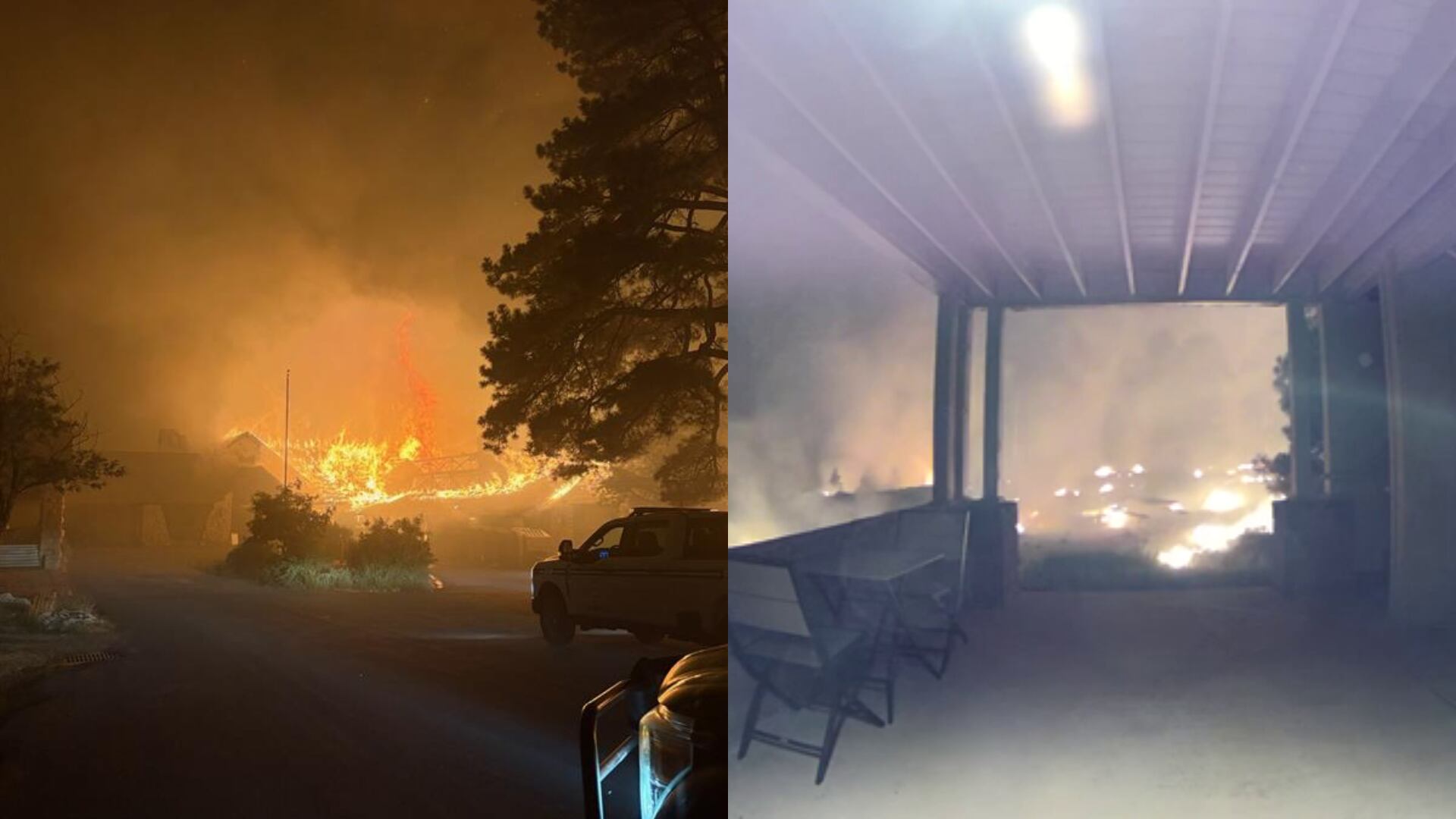
The Dragon Bravo Fire: A Growing Threat in Northern Arizona
A massive wildfire, known as the Dragon Bravo Fire, has been spreading rapidly through northern Arizona, consuming tens of thousands of acres in just a few days. As of July 30, the fire has scorched approximately 94,228 acres and is only 4% contained. Over 1,000 firefighters are working tirelessly to bring the blaze under control.
The Bureau of Land Management (BLM) has issued an emergency closure order for south House Rock Valley, while U.S. Highway 89A, north and east of the Kaibab National Forest and south of the main stem of Soap Creek, remains temporarily closed. These closures are part of ongoing efforts to manage the fire's impact on both the environment and public safety.
Rapid Growth and Challenging Conditions
The fire's growth has been alarming. Early estimates suggested that about 45,000 acres had been burned, but this number was later updated to include an additional 10,000 acres. By Tuesday, the area burned had increased by almost 30,000 more acres. Fire officials have noted that the periods when the fire is most active now span longer durations of the day, leaving less time for firefighters to make progress.
The fire’s spread is being fueled by towering mixed conifers and ponderosa pines, along with the rugged topography of the area. According to fire spokesperson Lisa Jennings, record dry air masses are contributing to the challenging conditions, compounded by a dry season and the absence of the usual monsoon moisture that typically arrives in early July.
Impact on the North Kaibab Plateau
Tom Zoellner, author of "Rim to River," describes the North Kaibab Plateau as a vast expanse of untouched wilderness. This region, home to ancient ponderosa pine forests at around 8,000 feet above sea level, is now at the heart of the fire zone. Fire officials expect the blaze to continue pushing northeast, with extreme fire behavior driven by the alignment of slope, fuel, and wind.
Weather forecasts predict hot, dry conditions with breezy winds for the rest of the week, further complicating firefighting efforts.
Concerns About Firefighting Resources
Bobbie Scopa, a former federal wildland firefighter with over 40 years of experience, has raised concerns about the availability of fresh resources. She explains that the current planning level, which is at Level 4, indicates a shortage of crews and resources. At this level, the nation is starting to tap out its available supplies, even though it hasn’t reached the highest level of planning.
Destruction of Historic Structures
Among the many structures lost to the fire is a historic lodge on the Grand Canyon’s North Rim. More than 70 structures have been destroyed as the fire continues to burn out of control. The Kaibab Lodge, which has stood for nearly 100 years, is now within miles of the fire zone. Crews are working to reinforce protections around the lodge, which is surrounded by national forest land.
Owners of the Kaibab Lodge, including Larry Innes, remain on-site but are prepared to evacuate if needed. Smoke from the fire has reached up to 40,000 feet in the air, creating hazardous conditions for nearby residents and visitors.
Calls for Independent Review
Governor Katie Hobbs has called for an independent investigation into the management of the Dragon Bravo Fire, citing concerns that the federal government failed to manage the blaze during one of the driest periods of the Arizona summer. She met with Interior Secretary Doug Burgum to discuss the situation, calling the meeting productive and emphasizing the need for a thorough review of fire management practices.
The National Park Service has confirmed that visitor access to the North Rim will remain closed for the remainder of the season due to the ongoing destruction of key infrastructure. The Grand Canyon Lodge, the only lodging at the North Rim, was consumed by the flames, along with the visitor center, gas station, and a wastewater treatment plant.
Long-Term Impacts and Community Response
The loss of the Grand Canyon Lodge, which first opened in 1928, has been deeply felt by the local community. Wayne Ranney, a board member of the Grand Canyon Historical Society, described the lodge as a significant piece of Arizona history. He emphasized that the fire’s impact will take a long time to reverse, with the North Rim’s unique landscape—higher elevation, larger trees, and greener surroundings—being irreplaceable.
Park officials have also reported the destruction of numerous historic cabins, employee housing, and an administrative office. Fortunately, no injuries have been reported, as all staff and residents were evacuated before the flames spread.
Additional Challenges
The fire became extremely volatile late Saturday, July 12, due to windy conditions, causing it to grow by 500 acres overnight. Fire crews faced additional challenges when they couldn’t use aerial retardant due to a chlorine gas leak at the wastewater treatment plant. This incident led to the evacuation of firefighters and hikers from the inner canyon.
Residents of Marble Canyon, Lees Ferry, and parts of the Navajo Nation have been advised to be cautious of a chlorine odor, as the gas can settle in lower elevations and pose health risks.
Conclusion
As the Dragon Bravo Fire continues to burn, the focus remains on containing the blaze and protecting both people and historic landmarks. The fire serves as a reminder of the importance of investing in wildfire resilience at all levels of government. The devastation caused by the fire has left a lasting impact on the Grand Canyon community and beyond.

Post a Comment for "Dragon Bravo Fire Spreads to 94K Acres Near Grand Canyon's North Rim with Closures in Effect"
Post a Comment