Don't Wrap Baked Potatoes in Aluminum Foil – Here's the Reason
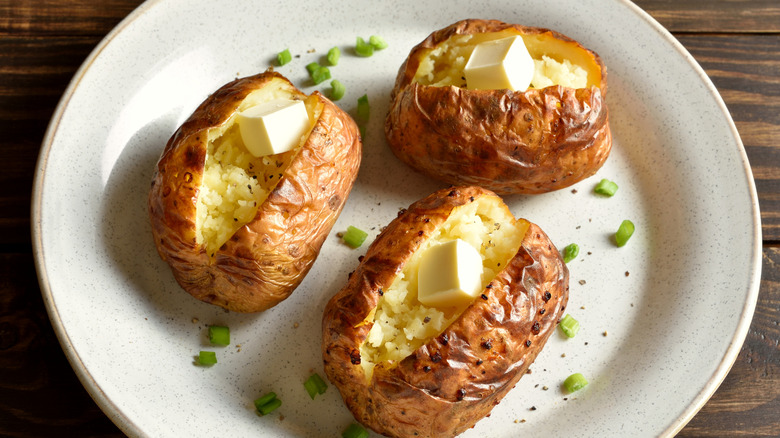
Understanding the Risks of Storing Baked Potatoes
Many people consider leftover baked potatoes to be a harmless and convenient food option. After finishing a meal, it's common to wrap them in foil and place them in the refrigerator. However, this seemingly simple step can actually pose a serious risk if not done correctly. While it’s essential to know the proper way to bake a potato, understanding how to store it is equally important.
When a baked potato is wrapped in aluminum foil, it creates an environment that lacks oxygen. This condition is ideal for certain harmful microorganisms, such as Clostridium botulinum, which can cause botulism. Botulism is a severe form of food poisoning that can lead to paralysis and even death in extreme cases. The bacteria thrive in moist, warm conditions, which are exactly what the foil wrap promotes by trapping heat and moisture.
One of the most alarming aspects of botulism is that the toxins it produces are undetectable by sight, smell, or taste. This means that you could consume a contaminated potato without realizing it, making prevention all the more critical.
Safe Storage Practices for Baked Potatoes
To avoid the risk of foodborne illness, it’s important to follow safe storage practices when handling baked potatoes. One of the first steps is to eliminate the use of aluminum foil entirely. Instead of wrapping the potato, allow it to breathe by placing it directly on an oven rack, in an air fryer basket, or on a sheet pan or glass baking dish. This method helps prevent the buildup of moisture and heat that can encourage bacterial growth.
After baking, let the potato cool naturally at room temperature. It’s best to leave it uncovered for no longer than two hours or until it feels cool to the touch. Once cooled, transfer the potato to the refrigerator in an open container or an airtight box. Avoid storing baked potatoes in a slow cooker or warming drawer, as these environments can maintain temperatures that promote bacterial multiplication.
Key Tips for Preventing Food Poisoning
In summary, there are several key steps to take when storing baked potatoes safely:
- Refrigerate within two hours of cooking, regardless of whether you plan to eat them the next day or a few days later.
- Avoid using aluminum foil for storage, as it creates an oxygen-free environment that can encourage bacterial growth.
- Let the potato cool naturally before placing it in the refrigerator.
- Use an open container or airtight box for storage to ensure proper airflow and reduce moisture buildup.
- Reheat the potato thoroughly to a piping hot internal temperature to destroy any remaining bacteria.
By following these guidelines, you can significantly reduce the risk of food poisoning and enjoy your baked potatoes safely. Prevention is always better than cure, and with a little knowledge, you can avoid potentially dangerous situations.

Post a Comment for "Don't Wrap Baked Potatoes in Aluminum Foil – Here's the Reason"
Post a Comment