Don't Trust the Tariff Rebate Hype Yet
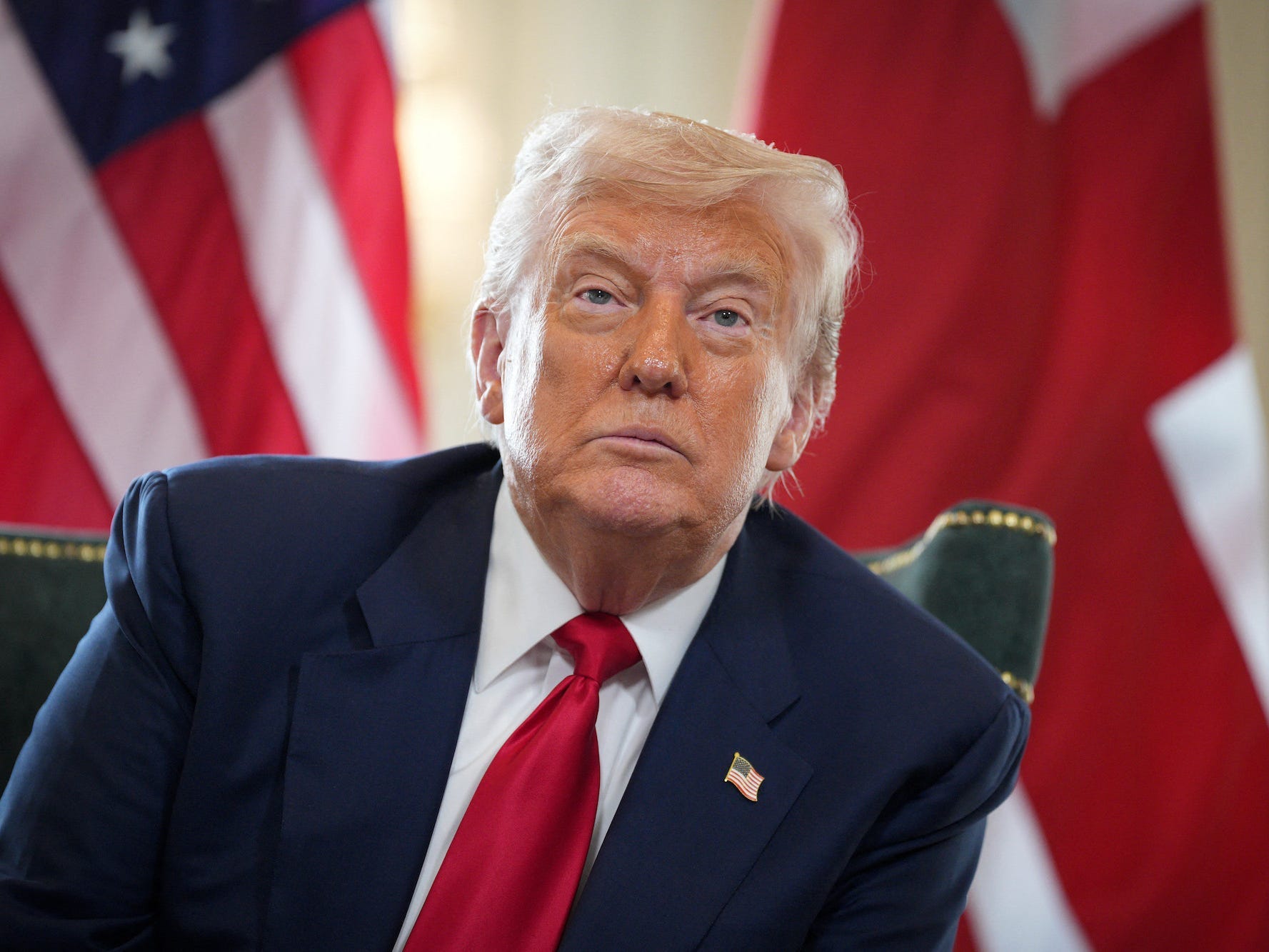
Trump's Tariff Rebate Proposal Faces GOP Opposition
President Donald Trump recently mentioned the possibility of sending checks to Americans funded by tariff revenue, sparking a debate within the Republican Party. While Trump himself did not formally propose the idea, it was brought up in response to a reporter’s question. The concept has drawn significant attention, but it also faces strong resistance from many GOP senators who believe the money should be used to address the national debt instead.
This proposal is reminiscent of the "DOGE Dividend" idea that gained traction earlier this year. However, similar to that plan, the current tariff rebate idea is encountering pushback from within the party. Most Republicans argue that using tariff revenue for direct payments to citizens is not the best use of the funds, especially given the country’s growing debt.
The Proposed Tariff Rebate Plan
The plan, introduced by Republican Senator Josh Hawley of Missouri, would provide $600 tax rebate checks to lower-income Americans. This would require an act of Congress and is based on the revenue generated from Trump’s tariffs. According to data from the U.S. Treasury, the federal government has collected over $100 billion in customs duties this year, with projections suggesting the total could reach $300 billion.
Hawley’s bill aims to distribute these funds as rebates, with a family of four receiving at least $2,400. The amount could increase if tariff revenue exceeds expectations, which are currently estimated at around $150 billion. The rebate would be phased out for higher-income households, with limits set at $150,000 for joint filers, $112,500 for single filers, and $75,000 for individuals.
Comparisons to Previous Stimulus Efforts
Unlike the earlier DOGE Dividend proposal, which was based on unrealistic projections of savings from cost-cutting, Hawley’s plan is modeled after the pandemic-era stimulus checks. The second round of those checks, which were also $600 per person, cost approximately $141 billion. Hawley has not yet spoken with Trump about the idea, and the White House has not commented publicly.
Despite the structure of the plan, many GOP senators remain skeptical. Senator Rand Paul of Kentucky called the idea “ridiculous,” emphasizing the country’s $37 trillion debt. He argued that using borrowed money to send checks to citizens is not a viable solution.
Alternative Uses for Tariff Revenue
Other Republicans have suggested alternative uses for the tariff revenue. Senator Ron Johnson of Wisconsin expressed concerns about the nation’s deficit, stating that he would oppose the rebate unless there was a surplus. Meanwhile, Senator Cynthia Lummis of Wyoming proposed using the funds to pay down the debt or to establish a strategic Bitcoin reserve, arguing that holding the money in a reserve could yield better returns than direct payments.
Lummis believes that using tariff revenue for a Bitcoin reserve could lead to greater long-term value, calling the idea of rebating the money a missed opportunity.
A Populist Approach
For Hawley, the proposal aligns with his populist stance and efforts to focus on the working-class base of the Republican Party. He has previously introduced legislation to raise the federal minimum wage to $15 an hour, and this latest plan is another attempt to highlight issues affecting everyday Americans.
However, Hawley appears to be largely alone in supporting the idea. When asked if any other GOP senators supported the plan, he responded with uncertainty, saying, “I don’t know, good question. Let me know if you find somebody.”
Conclusion
As the debate continues, it remains unclear whether the tariff rebate proposal will gain enough support to move forward. While some see it as a way to help lower-income families, others view it as a misstep in addressing the nation’s financial challenges. With the Republican Party divided on the issue, the future of the plan is uncertain.

Post a Comment for "Don't Trust the Tariff Rebate Hype Yet"
Post a Comment