Don't Order Fried Rice at Chinese Restaurants
The Hidden Downsides of Fried Rice
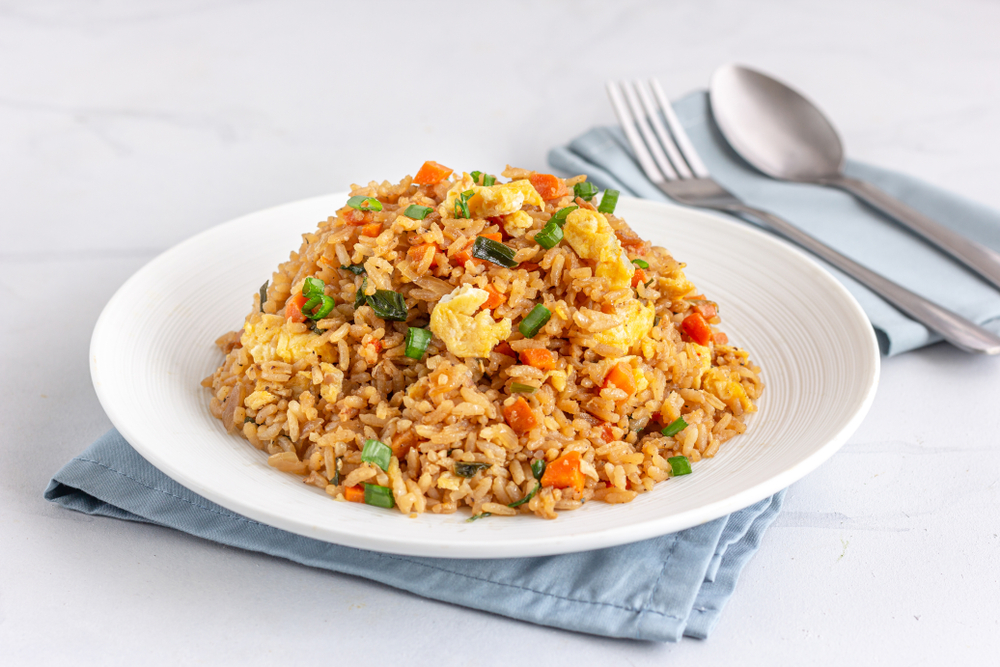
Fried rice is a popular choice at many Chinese restaurants, often seen as a safe and satisfying option. However, beneath its appealing surface lies a dish that may not be as healthy or beneficial as it seems. From questionable ingredients to excessive oil and salt, there are several reasons why fried rice might not be the best choice for your meal.
Made with Old Ingredients and Leftover Rice
One of the primary concerns with restaurant fried rice is the use of old ingredients. Many establishments do not prepare fresh rice for this dish. Instead, they rely on day-old rice, which has a firmer texture ideal for stir-frying. While this technique is traditional, it can lead to issues if the rice is not stored properly. If not cooled correctly, it can become a breeding ground for bacteria such as Bacillus cereus, which can cause food poisoning. Additionally, other components like meat, vegetables, and sauces are often leftovers from other dishes, which means they may be nearing their expiration date. This practice reduces waste but compromises the freshness of your meal.
High in Calories, Oil, and Salt
A typical serving of fried rice can contain between 600 and 1,000 calories, depending on the portion size and ingredients used. The rice itself is a high-carb base, and when combined with fried eggs, fatty meats, or chicken, the calorie count increases rapidly. What makes this dish even more concerning is the amount of oil used. Restaurants often use three or more tablespoons of oil, typically cheap varieties like soybean or corn oil, which are reheated multiple times. This process breaks down fats into harmful compounds, increasing oxidation and potentially causing cellular stress and inflammation. Moreover, the high sodium content from soy sauce, oyster sauce, or MSG can push the sodium levels to over 1,200 milligrams per serving, making it a poor choice for those managing blood pressure or calorie intake.
Flavor Additives Raise Health Concerns
Beyond the oil, flavor enhancers like monosodium glutamate (MSG) are commonly added to make the dish more savory. For some individuals, MSG can trigger symptoms such as headaches, sweating, and facial flushing. Some kitchens also use seasoning powders containing chemical preservatives or artificial flavors, which add unnecessary compounds to your meal. These additives enhance taste but come at the cost of nutritional quality. Choosing fried rice means accepting a mix of substances that may not be beneficial for your health.
Lacks Nutritional Balance and Variety
The main component of fried rice is white rice, which has been stripped of fiber and nutrients during processing. This leads to quick digestion, causing blood sugar spikes and leaving you hungry soon after. While vegetables are included, they are often in small amounts, such as peas, carrots, and onions, which may even be frozen rather than fresh. The protein in the dish is usually minimal, coming from eggs or small portions of meat, which rarely provides a balanced meal. As a result, you end up with a dish that is high in carbs and low in overall nutritional value.
Not Authentic and Can Be Improved at Home
Despite its popularity, the fried rice found in many restaurants is not truly authentic. It is often a Westernized version, heavy on soy sauce and oil, and lacking the depth of traditional Chinese cuisine. Authentic Chinese cooking offers a wide range of flavors and techniques that go beyond what you find in a fried rice bowl. By choosing alternatives like stir-fried greens or braised tofu, you can experience more diverse and flavorful options. At home, you have the opportunity to create a healthier version using brown rice, cauliflower rice, or fresh vegetables. You can control the amount of salt, avoid additives, and ensure the ingredients are fresh and safe.
A Better Choice for Your Meal
Fried rice is often chosen out of habit, but it does not deserve to be the default option. From questionable freshness and poor nutrition to excessive oil and additives, it is a dish that often fails to deliver on its promise. Most menus offer lighter, fresher alternatives that showcase the true depth of Chinese cuisine. The next time you order takeout or dine out, consider skipping the fried rice and trying something more nourishing. Your body and taste buds will appreciate the change.

Post a Comment for "Don't Order Fried Rice at Chinese Restaurants"
Post a Comment