Does Walking Burn Belly Fat?
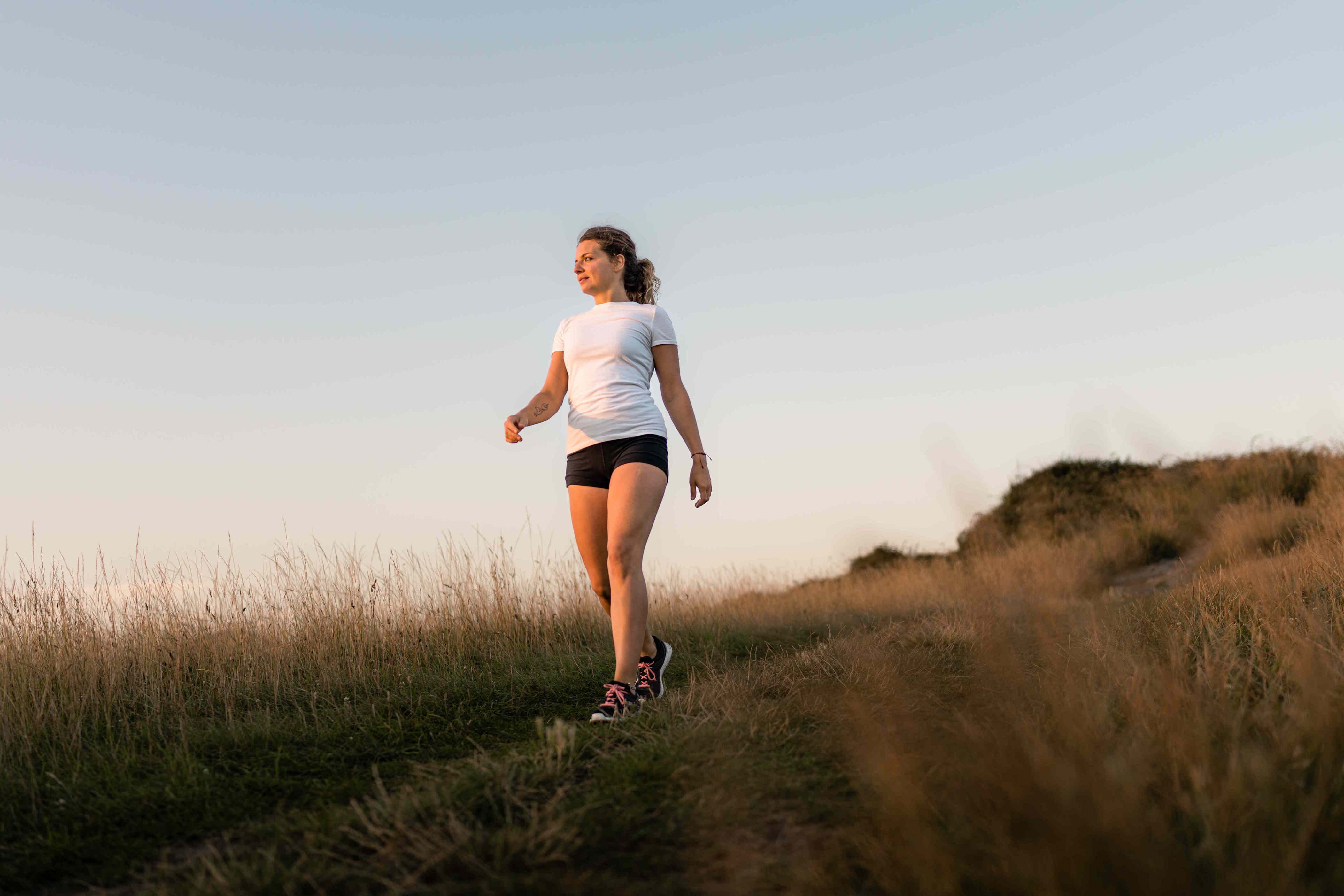
Walking as a Powerful Tool for Losing Belly Fat
Walking is one of the most accessible and effective forms of exercise, offering numerous benefits that can help you reduce belly fat. It's a low-impact activity that can be easily incorporated into daily routines, making it an ideal choice for people of all fitness levels. When paired with a balanced diet and other healthy habits, walking can play a significant role in overall fat loss, including the reduction of visceral fat, which poses serious health risks.
Walking Burns Calories, Contributing to Fat Loss
One of the primary ways walking helps with weight loss is by increasing calorie burn. The more calories you burn than you consume, the more likely you are to lose weight. Walking at a brisk pace can significantly boost your energy expenditure, helping you achieve a calorie deficit. For example, a 170-pound (77 kilogram) person can burn approximately 371 calories in an hour of brisk walking, compared to just 139 calories when sitting.
The intensity and duration of your walks are key factors in maximizing calorie burn. Moderate-intensity walking, such as a steady pace, burns around 324 calories per hour, while standing burns about 186 calories. Incorporating different types of movement into your routine can enhance the effectiveness of your workouts.
Walking Reduces Visceral Belly Fat
Not all belly fat is the same. Visceral fat, which surrounds internal organs, is particularly dangerous and linked to conditions like heart disease and type 2 diabetes. Research has shown that regular walking, even without drastic dietary changes, can help reduce this harmful type of fat. A 2021 study found that 150 minutes of weekly physical activity could lead to measurable reductions in visceral adipose tissue over time.
Walking Boosts Metabolism
Another benefit of walking is its ability to increase your resting metabolic rate. This means your body continues to burn calories throughout the day, even when you're not actively exercising. High-intensity interval walking, which involves alternating between fast and moderate paces, can further enhance metabolism and improve cardiovascular fitness.
Walking Lowers Cortisol Levels, Reducing Stress-Related Belly Fat
Stress can contribute to belly fat accumulation through elevated cortisol levels. Regular walking has been shown to lower these stress hormones, helping to reduce stress-related fat. A 2019 study found that walking in natural environments, such as forests, was more effective at reducing cortisol than walking in urban areas. This suggests that the setting of your walk can also impact its benefits.
Walking Improves Digestion and Reduces Bloating
In addition to burning calories and reducing fat, walking can also support digestive health. It helps move food through the intestines more efficiently, reducing issues like constipation and bloating. A 2021 study showed that walking after meals can speed up digestion and ease gastrointestinal discomfort.
Tips to Maximize Fat Loss Through Walking
To get the most out of your walking routine, consider the following strategies:
- Increase your walking speed: A brisk pace where you're slightly out of breath but still able to talk can boost calorie burn.
- Aim for 150-300 minutes of activity per week: Start with 150 minutes of moderate-intensity walking and gradually increase to 300 minutes for better results.
- Track your steps: Using a pedometer or fitness app can help you reach a daily goal of 8,000 to 10,000 steps.
- Combine with strength training: Adding bodyweight exercises or resistance bands can build muscle and boost metabolism.
- Incorporate hills or intervals: Walking on inclines or alternating between fast and slow paces increases calorie burn.
- Stay consistent: Make walking a daily habit to ensure long-term fat loss and overall health benefits.
Additional Tips for Success
- Walk with friends for motivation and enjoyment.
- Use your lunch break for a quick walk.
- Park farther away to add more steps to your day.
- Walk indoors on rainy days, such as in a mall.
- Set regular walking dates with loved ones to stay on track.
When to Expect Results
Consistency is key when it comes to seeing results from walking. While individual outcomes may vary, noticeable changes in weight and belly fat can take several weeks to months. Even a modest weight loss of 5% to 10% can have significant health benefits, especially when combined with a healthy diet and regular physical activity.
Key Takeaways
Walking is a simple yet powerful way to reduce belly fat and improve overall health. By maintaining a consistent routine, increasing intensity over time, and making mindful lifestyle choices, you can achieve meaningful results. While walking alone won't guarantee a flat stomach, it plays a crucial role in fat loss when combined with a balanced diet and strength training.

Post a Comment for "Does Walking Burn Belly Fat?"
Post a Comment