Do You Need to Devein Shrimp? 3 Southern Chefs Share Their Take
Understanding the Importance of Deveining Shrimp
Deveining shrimp is often seen as a necessary but tedious part of preparing seafood. While it might not be the most enjoyable task, it plays a significant role in enhancing the overall quality of the dish. To better understand whether or not deveining is essential, three Southern chefs with expertise in seafood were consulted. Their insights reveal that while there are exceptions, the general consensus is that deveining is usually a good idea.
Who Are the Experts?
The chefs who shared their knowledge include:
- Andy McLeod, Executive Chef at Fleet Landing in Charleston, SC
- Nick Grosenbach, Regional Chef at Ocean Prime
- Jesse Sandole, owner of 167 Raw, Bar167, and 167 Sushi in Charleston, SC
These professionals have extensive experience working with shrimp and can provide valuable guidance on best practices.
Why You Should Devein Shrimp
The decision to devein shrimp isn't always straightforward. However, the chefs generally agree that it's advisable, with some exceptions. To understand why, it's important to know what the "vein" actually is.
"The 'vein' is actually the shrimp’s digestive tract," explains Nick Grosenbach. "Removing it is mostly about appearance and texture, but it can also affect flavor—sometimes adding a muddy or bitter taste." While consuming the vein isn't unsafe if the shrimp is properly cooked, removing it can enhance the dining experience.
The visibility of the vein depends on the type of shrimp and where it was caught. Shrimp that feed in open water may have less noticeable veins, while those from sandy or muddy sea floors often have darker, grittier ones. Andy McLeod adds that the vein can appear dark, pale, or even clear, depending on the shrimp.
The Vein on the Underside
Another point of confusion is the line on the underside of the shrimp, which many people mistakenly refer to as a vein. According to Grosenbach, this is actually the nerve cord. It's thin, pale, and typically unnoticeable, so there's no need to remove it. McLeod also notes that the underside vein is usually clear or white and disappears when fully cooked.
Size Matters
Shrimp come in various sizes, and the size can influence whether deveining is necessary. Larger shrimp tend to have more prominent and noticeable veins. McLeod emphasizes that for jumbo or large shrimp, he always prefers to devein them regardless of how they're prepared. Grosenbach agrees, noting that larger prawns especially benefit from the process.
Preparation Considerations
How the shrimp will be used is another key factor. For dishes like stews, the texture and appearance of the shrimp may not be as important. However, for presentations such as shrimp cocktail, pickled shrimp, or ceviche, deveining is crucial for visual appeal and texture.
Jesse Sandole acknowledges that cultural preferences vary. In some cuisines, shrimp are cooked with the head and shell on. At home, this choice often comes down to personal preference, recipe origin, and time constraints.
Peeling-and-Eat Shrimp
For Southern staples like peel-and-eat shrimp, the need for deveining is less critical. These shrimp are usually smaller, making the vein less noticeable. Additionally, they are often served with cocktail sauce, which can mask any subtle textures.
Tips for Easier Deveining
Deveining can be a bit of a chore, but the chefs offer practical advice to make the process smoother. Instead of relying on specialized tools, they recommend using a sharp paring knife or fish tweezers. Keeping the shrimp cold helps maintain firm flesh, making the vein easier to remove.
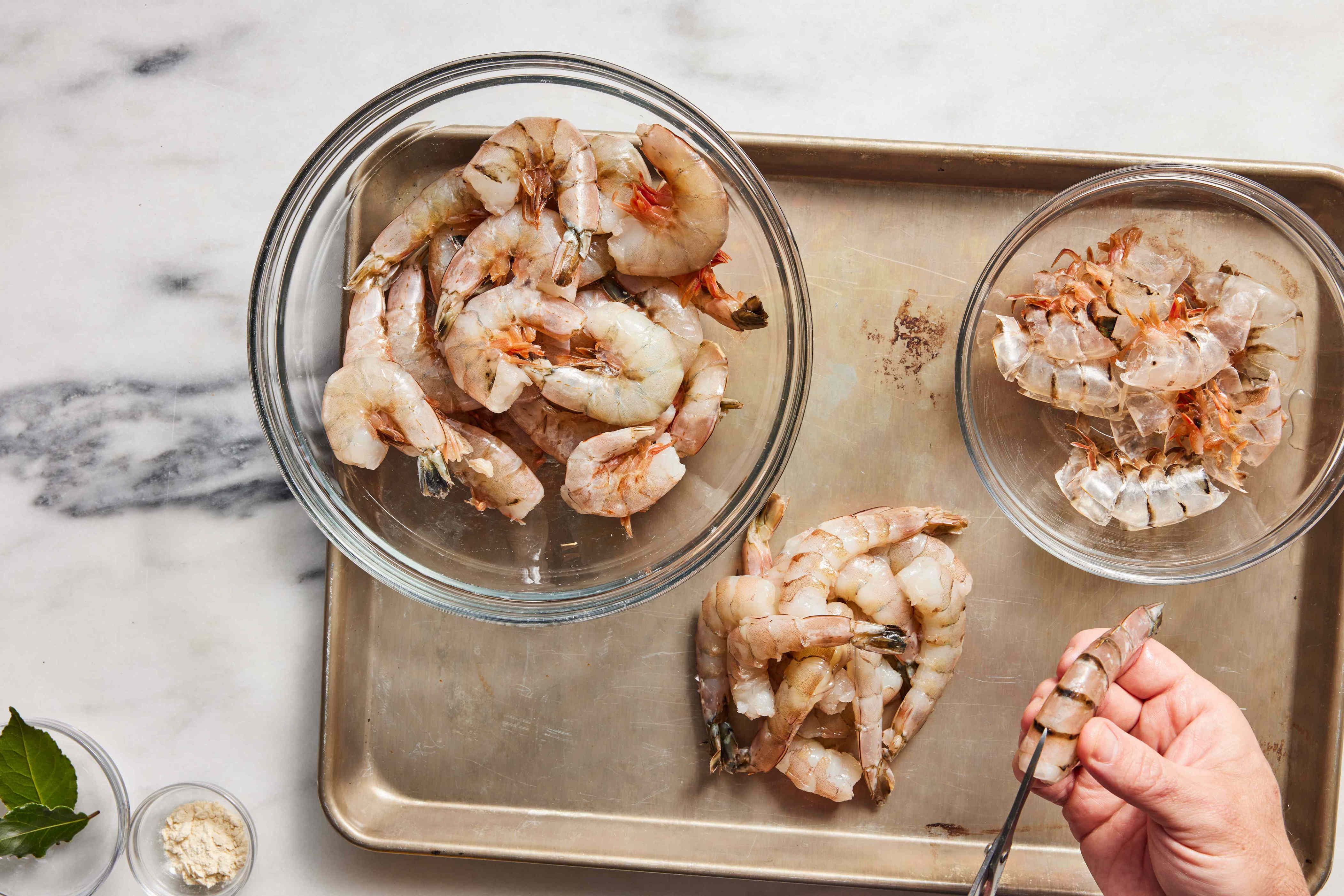
McLeod shares his preferred method: using kitchen scissors to cut along the back of the shrimp. This technique allows for quick peeling and deveining while creating an attractive presentation. Grosenbach suggests butterflying the shrimp for large batches, which speeds up the cleaning process.
Overall, while deveining shrimp isn't always mandatory, the experts agree that it's often worth the effort to ensure the best possible outcome for your dish. Whether you're cooking for a casual meal or a special occasion, taking the time to devein shrimp can significantly enhance the final result.

Post a Comment for "Do You Need to Devein Shrimp? 3 Southern Chefs Share Their Take"
Post a Comment