Dining Shifts Frustrate Ohio Wesleyan Students
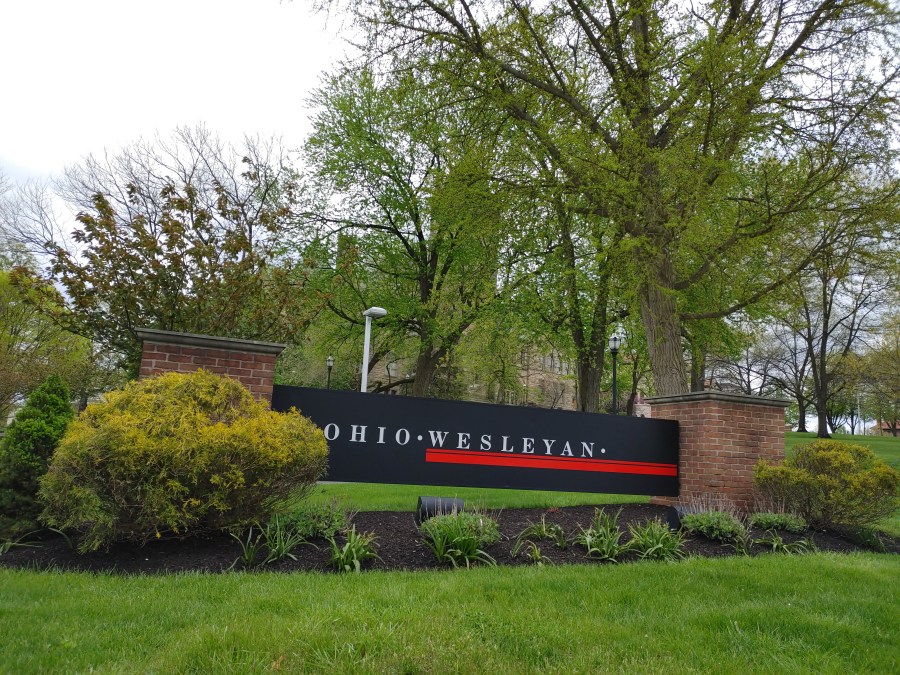
Students Express Frustration Over Changes to Ohio Wesleyan University Dining Plans
Students at Ohio Wesleyan University (OWU) are expressing frustration over recent changes to the university’s dining plans, which they say have made it more difficult to access food and study late into the night. The adjustments, announced in July, include reduced dining hall hours and fewer locations, sparking a wave of concern among students who had previously relied on the university’s 24/7 dining options.
Olivia Green, a junior at OWU, shared her disappointment with the changes. “We all assumed that they would make more accommodations for us, because it was already so difficult to get a table at lunch to go get food,” she said. “So to see that they had actually done the opposite and taken away quite a lot of options, I think most people were just in an uproar and just such shock.”
The university cited rising costs as the main reason for the adjustments, stating that reducing dining hours and locations would help keep meal fees from increasing significantly. However, many students feel that the changes undermine the convenience and flexibility that made OWU an attractive choice.
Impact on Student Life
For years, OWU has promoted its “anytime” dining model, allowing students to use unlimited meal swipes at 24/7 dining halls. This system was particularly beneficial for students who needed to study late into the night or had irregular schedules. Starting this fall, dining halls will be open from 7 a.m. to midnight, aligning more closely with other colleges in Ohio.
Ava Johnson, a rising senior, highlighted the importance of late-night access. “My sophomore year, I would eat dinner at two o’clock in the morning, because that’s just when I had time to because I was studying,” she said. Johnson also noted that the university’s library has been closed due to mold for several years, and the new library won’t be completed until January 2027. During this interim period, many students rely on the dining halls as a place to study overnight.
Despite the changes, the university is still moving forward with plans to combine two on-campus cafes next spring, which will remove a dining option from the science building. OWU also clarified that student dining jobs will remain available and that the changes are unrelated to a new alumni-funded student lounge.
Concerns About Accessibility and Costs
Green expressed concerns about overcrowding in the dining halls, noting that some students have resorted to eating on the floors due to a lack of seating. The university plans to add 200 more seats in one building to address this issue, but Green remains skeptical about how the additional space will be utilized.
Another major point of contention is the reduction in dining dollars. The most expensive typical meal plan offers $75 in dining dollars, while the least expensive offers only $25. Green said this amount would not be enough to buy more than a few meals. Additionally, the university no longer advertises 24/7 dining, instead offering a convenience market that is open around the clock for grab-and-go options. However, the market only accepts credit cards and “dining dollars,” which many students find limiting.
Student Feedback and Transparency
Johnson, who will be a rare off-campus commuter this year, felt that the changes were communicated without sufficient transparency. “Although I think the new dining changes are an improvement, the solution is far from perfect,” she said.
Many students have voiced their frustrations through emails and social media. One student wrote, “My spiritual beliefs mean I can only eat breakfast before dawn. Literally one of the only reasons I came to this school was that I could eat whenever I wanted.” Another student commented, “As a tour guide, I have effectively been lying to families when selling the school.”
While the university claims that the changes are meant to keep costs low and meet students’ essential needs, many students feel that the adjustments have created more challenges than solutions. As the academic year approaches, the debate over dining options at OWU shows no signs of slowing down.

Post a Comment for "Dining Shifts Frustrate Ohio Wesleyan Students"
Post a Comment