Detroit 'Families First' Protests Target Trump's Immigration and Healthcare Policies
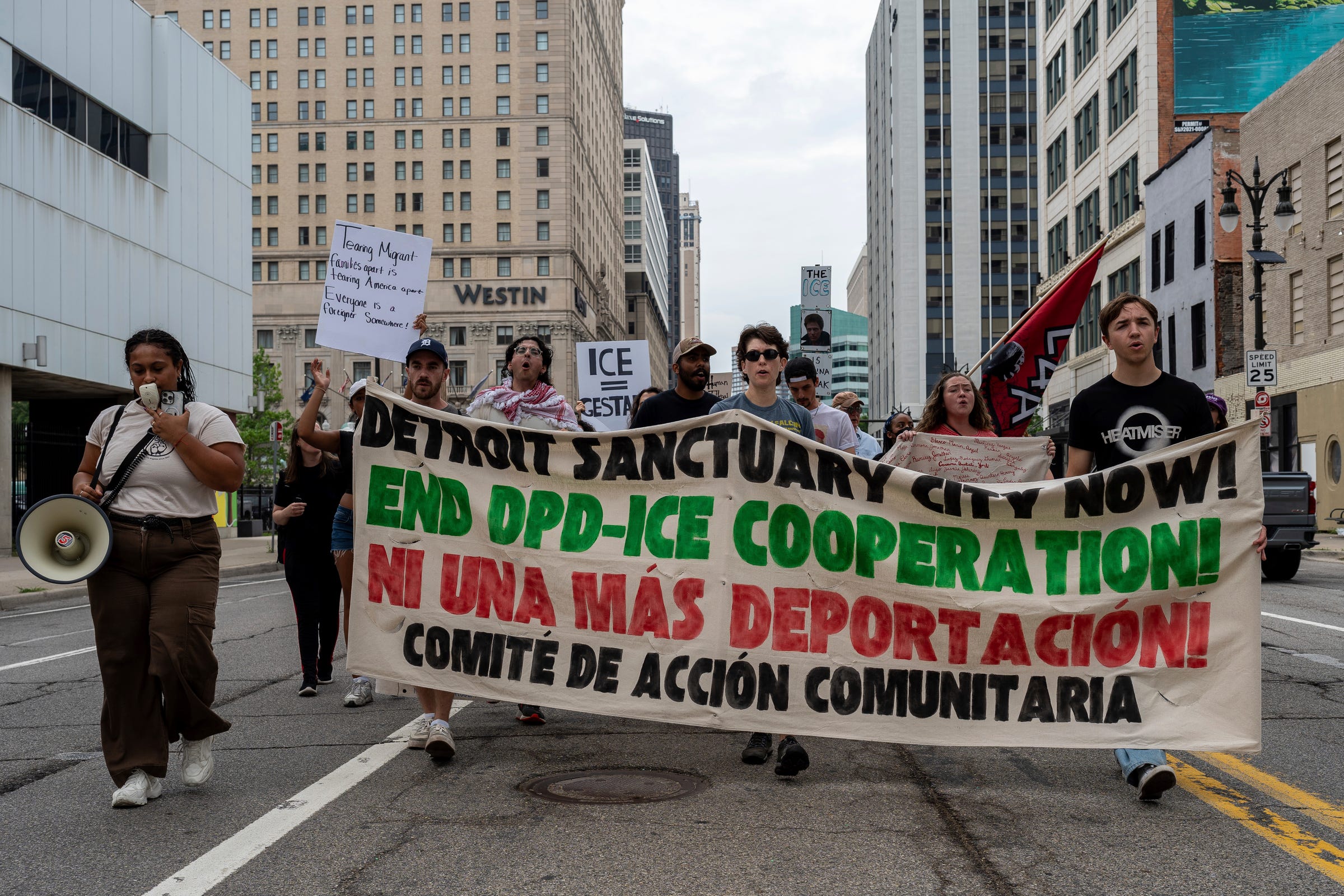
Protests in Detroit Highlight Concerns Over Immigration Policies and Healthcare Access
Health care access, immigration rights, and the well-being of families were central themes at a series of protests that took place over the weekend in Detroit. These demonstrations, part of a broader national movement, reflected growing concerns about policies that many believe are harming vulnerable communities.
The events coincided with ongoing nationwide efforts to oppose what critics call harsh immigration enforcement and cuts to essential public services. In Detroit, rallies were organized under the “Families First” banner, drawing participants from various backgrounds who shared a common goal: to advocate for policies that support families and protect the most vulnerable members of society.
A Range of Issues Addressed at the Rallies
On Saturday, July 26, demonstrators gathered in different parts of the city to voice their concerns. At Rouge Park, attendees held signs such as “Medicaid Saves Lives” and “RIP: Died Waiting For Care,” highlighting the importance of healthcare access. Meanwhile, at Clark Park and along Woodward Avenue, protesters carried messages like “Unite Families Don’t Destroy Them” and “Tearing Migrant Families Apart Is Tearing America Apart.”
Approximately 100 people attended the “Families First” rally at Rouge Park, which was organized by groups such as SEIU Healthcare Michigan. Another smaller group of around 20 people participated in an event at Clark Park, while dozens marched downtown toward the Patrick V. McNamara Federal Building, calling for an end to U.S. Immigration and Customs Enforcement (ICE) actions.
Later that afternoon, as fans headed to the Detroit Tigers game, protesters gathered at the base of the Spirit of Detroit statue, demanding an end to ICE operations. The march was organized by groups including the Detroit Anti-War Committee and aimed to draw attention to the impact of immigration enforcement on local communities.
Concerns Over Trump’s Policies
Many of the protests focused on the policies enacted by the Trump administration, particularly a bill signed into law on July 4. Critics refer to it as the “big, bad bill,” arguing that it imposes stricter requirements for public assistance and could lead to more people being removed from programs like Medicaid.
Republicans have defended the bill, stating that it ensures aid is better targeted. However, nonprofits and Democrats argue that it could push thousands off the rolls due to missed requirements, disproportionately affecting low-income families.
Sydnie Veilleux, a 25-year-old from St. Clair Shores, attended her first protest at Clark Park with her aunt and boyfriend. She expressed disappointment in the current government and emphasized the importance of supporting immigrants and ensuring they receive due process after being arrested.
Calls for Sanctuary City Status
At a downtown protest, activists called on Detroit to become a sanctuary city and urged the Detroit Police Department to stop cooperating with immigration enforcement agents. This demand came in response to recent incidents where police were involved in an ICE arrest, leading to the use of pepper spray and the arrest of protesters.
In response, the Detroit Police Department reiterated its long-standing policy, which states that immigration enforcement is the responsibility of federal authorities. The department also clarified that it honors ICE detainers when individuals are already in custody for criminal charges.
Impact on Healthcare Access
Healthcare access was another major focus of the protests. Brooke Kimbrough, a 28-year-old mother, shared her personal experience of relying on Medicaid before securing coverage through her job. She emphasized how crucial the program was during her pregnancy, especially for accessing necessary medical care such as an epidural during a C-section.
Jacob Smith, a member of the Detroit Alliance Against Racist and Political Repression, criticized the changes to Medicaid and food assistance programs, warning that these cuts would disproportionately affect Black, Latino, Chicano, and indigenous communities.
Expanding the Movement: March for Integrity
On Sunday, July 27, activists turned their attention to another issue: the role of money in politics. Multiple local groups, including the Detroit Anti-War Committee and Michigan United Action, participated in the “March for Integrity,” organized by the Money Out of Politics coalition.
The event aimed to address concerns about the influence of corporate money in elections, including issues like congressional stock trading and the impact of the Citizens United ruling. Participants called for a constitutional amendment to overturn the decision and reduce the flow of dark money in politics.
Over 60 people attended the gathering in Roosevelt Park, where speakers and politicians addressed the need for transparency and accountability in government. Following the speeches, a group of about 25 people marched toward the McNamara Federal Building, continuing the momentum of the weekend’s protests.
These demonstrations reflect a growing movement across the country, driven by individuals who believe that policies must prioritize the needs of families and ensure fairness for all.

Post a Comment for "Detroit 'Families First' Protests Target Trump's Immigration and Healthcare Policies"
Post a Comment