Denver Blocks Loveland from Flock License Plate Data
Denver Revokes Loveland's Access to Flock Data
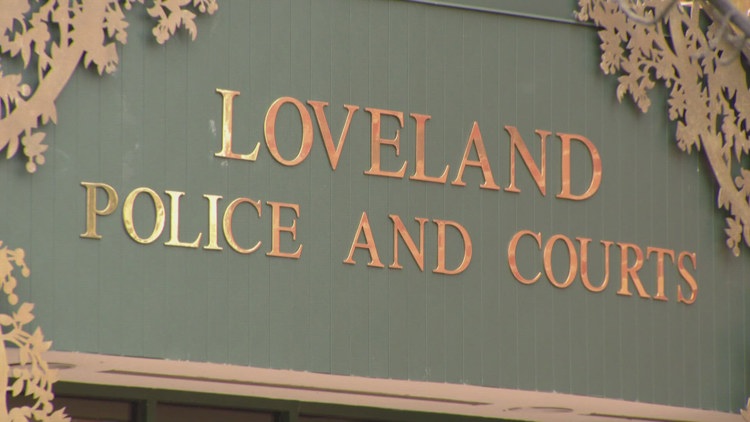
Denver has taken a significant step by revoking the Loveland Police Department’s access to its Flock automated license plate reading data. This decision comes after records obtained by 9NEWS revealed that Loveland had shared access to its Flock data with the U.S. Border Patrol.
The Flock Safety system, which operates through a network of cameras, is used across Denver to assist in solving crimes such as auto theft and tracking down suspects in homicide cases. The city has installed 111 Flock cameras throughout the area, contributing to law enforcement efforts in various ways.
A spokesperson for Denver Mayor Mike Johnston confirmed that the Denver Police Department has now removed Loveland’s access to the tracking data. The move follows an internal review of the circumstances surrounding the sharing agreement between Loveland and the U.S. Border Patrol.
Loveland Police Chief Tim Doran released a statement on Sunday, acknowledging the importance of the Flock Safety system. He noted that the technology has been instrumental in solving numerous cases for victims in the city. “The network of nearly 2,000 law enforcement agencies it connects our department with is unparalleled for national communication,” he said. “If agencies choose to remove our department from the network, then their decision is one they are free to make, and I’ll not speak on their behalf.”
Flock Safety, the private company behind the camera system, clarified that the U.S. Border Patrol is not a customer of Flock and is not part of the nationwide Flock data network. Instead, the company explained that Loveland Police and the U.S. Border Patrol have a direct, one-to-one agreement outside of the standard Flock network.
This development raises important questions about data sharing between local law enforcement agencies and federal entities. While Flock Safety emphasizes that the U.S. Border Patrol is not officially part of their system, the existence of a direct agreement between Loveland and the agency highlights the complexities of data access and privacy concerns.
Law enforcement agencies across the country often rely on shared databases and partnerships to enhance their capabilities. However, these collaborations can sometimes lead to unintended consequences, especially when sensitive information is involved. The case of Loveland and the U.S. Border Patrol underscores the need for transparency and clear guidelines regarding how data is accessed and used.
Some experts argue that the use of automated license plate readers (ALPRs) should be subject to strict oversight to prevent misuse. These systems can collect vast amounts of data, including the movements of individuals who may not be suspected of any crime. Without proper safeguards, there is a risk of infringing on civil liberties and violating privacy rights.
As the situation between Denver and Loveland continues to unfold, it is likely that more scrutiny will be placed on the practices of both local and federal law enforcement agencies. The incident serves as a reminder of the delicate balance between public safety and individual privacy.
Key points to consider:
- Data Sharing Agreements: Understanding the nature of agreements between local police departments and federal agencies is crucial.
- Privacy Concerns: Automated license plate readers can collect extensive data, raising questions about surveillance and personal freedoms.
- Transparency: Law enforcement agencies must be transparent about how data is shared and used to maintain public trust.
- Regulatory Oversight: There is a growing need for regulations that govern the use of ALPRs and other surveillance technologies.
With the ongoing debate around surveillance and data privacy, the actions taken by Denver and Loveland could set a precedent for how similar situations are handled in the future. As technology continues to evolve, so too must the policies and practices that govern its use in law enforcement.

Post a Comment for "Denver Blocks Loveland from Flock License Plate Data"
Post a Comment