Democrats Spot Political Opportunity and Peril in Epstein Files
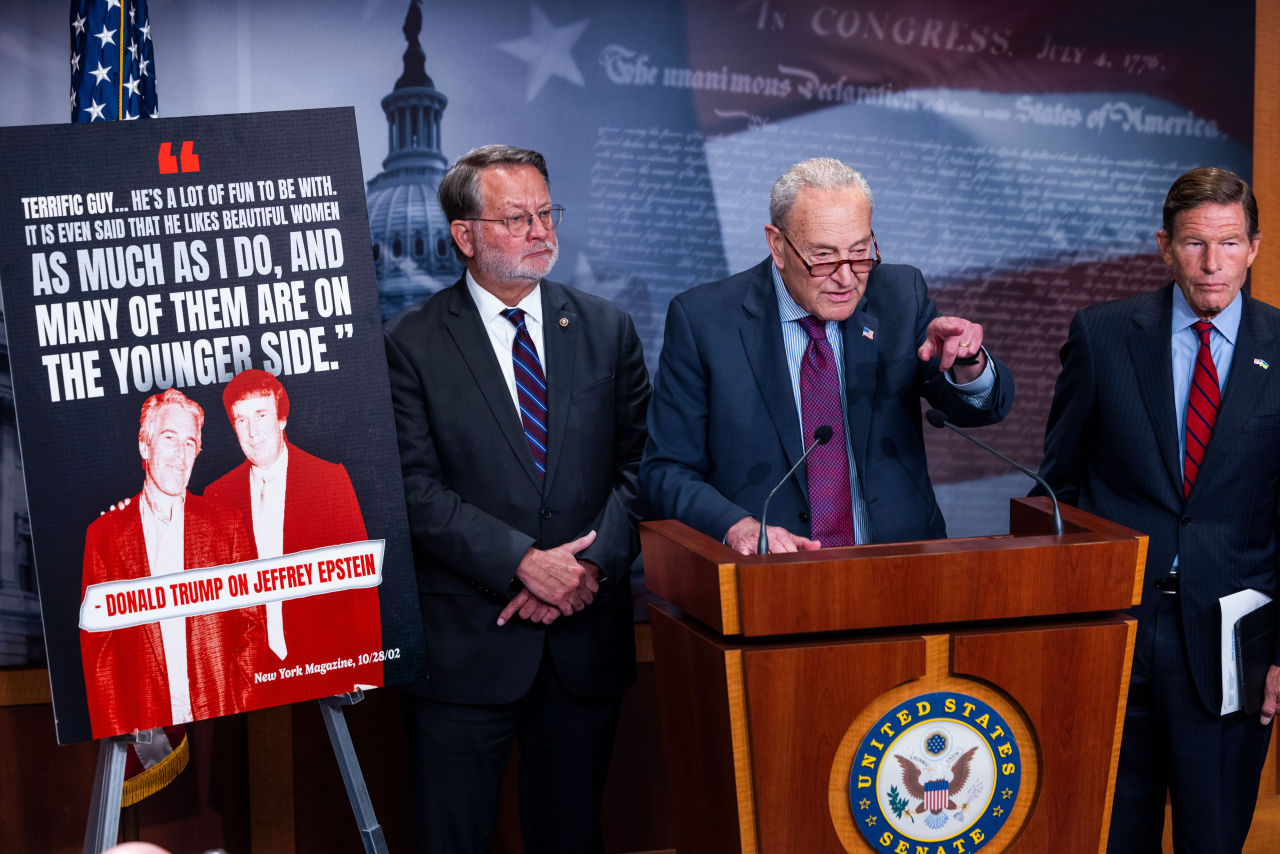
Democrats Leverage Epstein Controversy to Challenge Trump’s Legacy
As Democratic Rep. Ro Khanna prepared for a campaign swing through South Carolina, he was warned by a senior House aide not to bring up the name of Jeffrey Epstein in the state. The advice was clear: “Don’t you go talking that Epstein down South. No one cares.” However, what Khanna found during his town hall meeting outside Charleston was quite the opposite. Attendees were deeply engaged when he listed the names of House Republicans who had supported his push to release documents related to Epstein, a convicted sex offender. This moment, among others, surprised Khanna and highlighted a growing sentiment among voters.
Khanna noted that the Epstein issue resonated strongly with attendees. He described it as a “concrete step at splitting the Trump coalition,” emphasizing its potential to challenge the president’s base. The controversy surrounding the Trump administration's handling of the Epstein matter has become a focal point for Democrats, who are using it as part of their broader strategy to drive voter turnout and win back swing voters ahead of the 2024 midterms.
The Democratic Party is leveraging the August recess to reconnect with voters, criticizing the “big beautiful” tax law passed under Trump, which they argue benefits billionaires while neglecting healthcare for working people. Now, they are adding Epstein-related attacks to their messaging, despite the risks involved.
House Minority Leader Hakeem Jeffries (D., N.Y.) emphasized the connection between these issues, calling both the tax plan and the Epstein case examples of Republicans protecting “the lifestyles of the rich and shameless, even if that includes pedophiles.” However, this approach has drawn criticism from Republicans, who accuse Democrats of playing politics on an issue that many previously ignored.
Rep. Tim Burchett (R., Tenn.), who supports releasing the Epstein files, argued that Democrats risk being seen as hypocritical when they mention the issue, given that they controlled Washington for four years without taking action. “The whole question goes, ‘Why didn’t you do anything for the last four years?’” he said.
Trump himself has dismissed the interest in the Epstein case as politically motivated, calling it a “hoax” designed to divert attention from other issues. His allies have long sought the release of Epstein-related materials, but the Justice Department has maintained that there is no client list of high-profile individuals involved in Epstein’s trafficking of young girls. New files would not be released, sparking outrage among some of Trump’s supporters who believe powerful elites are being protected.
In response, the Justice Department has asked judges to unseal grand jury transcripts from cases involving Epstein and his associate Ghislaine Maxwell. A top DOJ official also interviewed Maxwell, who is serving a 20-year prison sentence. Meanwhile, the House Oversight Committee issued a subpoena to the Justice Department seeking records related to Epstein.
The White House has denied reports that Trump’s name appeared in Epstein-related files, calling them “fake news.” However, the Justice Department informed Trump in May that his name appeared multiple times in the files, along with other high-profile figures. Being mentioned in the files does not imply wrongdoing, but the revelation has fueled further debate.
Democrats argue that voters want to hear about Epstein. At a rally in Texas, Rep. Greg Casar challenged the audience: “Are we going to let Donald Trump hide the Epstein files?” The crowd responded with a resounding “No!” Similarly, Sen. Chris Murphy (D., Conn.) drew boos when he questioned whether Trump had lowered prices or told the truth about the Epstein files.
Balancing the message remains a challenge. During a town-hall meeting in Wisconsin, Rep. Mark Pocan referenced Epstein as an example of where Trump broke promises. However, he quickly reassured a critical attendee that he wouldn’t focus solely on the issue in national media appearances.
Polls suggest that Democrats see political opportunities in both the Epstein issue and the GOP tax law. A recent Wall Street Journal poll showed that nearly two-thirds of Republicans and 89% of Democrats believe the Justice Department is hiding important information from its Epstein investigation. Additionally, 52% of respondents opposed the GOP tax law, including significant support from independents.
Republicans plan to defend their law, highlighting its benefits such as preventing tax rate increases and introducing new breaks for tips, overtime, and seniors. Despite the challenges, the WSJ survey showed that approval of the Democratic Party was at its lowest level in decades. However, on a separate question, voters preferred Democrats over Republicans on a generic congressional ballot by three points.
Democratic leaders have embraced discussing Epstein during the recess, providing templates for emails and texts to voters. The messages aim to engage those who might ignore other political topics, urging them to support the release of the Epstein Files.
As the campaign season intensifies, the Epstein issue continues to shape the political landscape, offering Democrats a rare opportunity to go on offense against a Republican administration that has faced mounting scrutiny.

Post a Comment for "Democrats Spot Political Opportunity and Peril in Epstein Files"
Post a Comment