Democrats seek to revive Voting Rights Act amid tough challenges
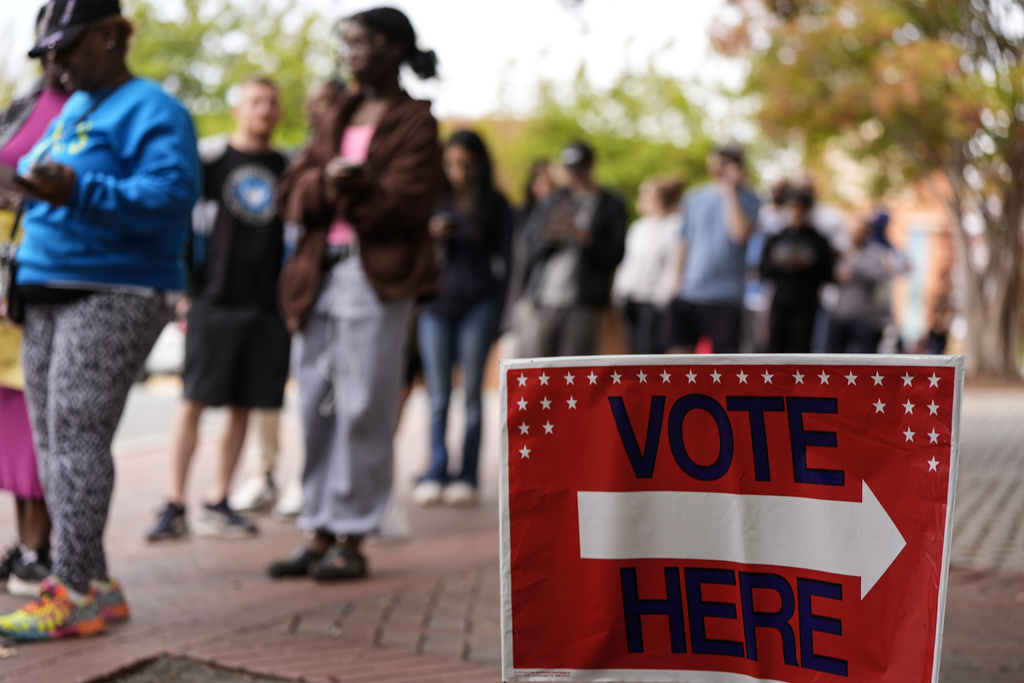
A New Push to Protect Voting Rights
Senate Democrats have taken another step in their efforts to restore and expand the protections of the Voting Rights Act of 1965. This latest initiative, introduced just days before the law's 60th anniversary, comes amid heightened discussions about the future of American elections. The bill, named the John R. Lewis Voting Rights Advancement Act, was unveiled by Sen. Raphael Warnock of Georgia, with strong support from Democratic leaders.
Despite its limited chances of passing in a Republican-led Congress, this legislation represents the most detailed proposal from Democrats on voting rights and election reform. The bill aims to reestablish and broaden the requirement that states and localities with a history of discrimination must receive federal approval before making changes to their voting laws. It also includes provisions for same-day voter registration, preventing voters from being removed from rolls if they miss an election, and allowing those who may have been disenfranchised at the polls to seek legal remedies.
Warnock emphasized the importance of democracy during his speech, stating, “Democracy is the very house in which we live. It is the framework in which we get to fight for the things that we care about.” He highlighted the recent challenges faced by the nation, noting that the past seven months have shown the need to protect democratic institutions.
The bill’s introduction was supported by several prominent Democratic senators, including Senate Minority Leader Chuck Schumer of New York, Sen. Dick Durbin of Illinois, and Sens. Richard Blumenthal of Connecticut, Cory Booker of New Jersey, and Alex Padilla of California. They were joined by numerous activists, including voting rights advocates, environmental campaigners, faith leaders, and union organizers.
This move comes at a critical time for the Voting Rights Act. Over the past two decades, enforcement mechanisms of the law have been weakened by court rulings and a lack of congressional reauthorization. Additionally, some states have pushed ahead with redistricting maps earlier than planned, raising concerns about the law's ability to protect voters.
In recent years, state lawmakers have passed numerous laws that voting rights activists argue restrict access to the ballot, particularly for people of color, low-income communities, and individuals with disabilities. Schumer has vowed to “fight fire with fire” to safeguard voting rights.
Warnock warned of an “authoritarian movement” in the country, criticizing the Texas legislature’s special session aimed at redistricting. This effort, backed by President Donald Trump and congressional Republicans, is seen as a strategy to gain more seats in the House and maintain the majority.
The updated Voting Rights Act was first introduced in 2021 when Democrats controlled Congress. It was a response to the Supreme Court's 2013 ruling in Shelby County v. Holder, which struck down a key part of the Voting Rights Act requiring certain states to get federal approval for election policies.
Although the bill passed the House twice in that Congress, it failed to overcome the 60-vote filibuster threshold in the Senate. Rep. Terri Sewell of Alabama reintroduced a House version of the bill in March.
The legislation is named after John Lewis, a long-time Democratic congressman and civil rights activist who passed away in 2020. Warnock represents Lewis' home state, while Sewell represents Selma, Alabama, where Lewis organized during the Civil Rights movement and was injured during the Bloody Sunday protest on the Edmund Pettus Bridge.
A photograph of Lewis was displayed behind the senators as they spoke about the bill. Blumenthal, the Connecticut Democrat, remarked that Lewis’ “stare is unrelenting. He’s going to hold us accountable.”

Post a Comment for "Democrats seek to revive Voting Rights Act amid tough challenges"
Post a Comment