Democrats Seek Clinton-Era Politics To Revive Party
Democrats Consider a Shift Toward Center-Left Politics
In the wake of significant losses in the 2024 elections, some members of the Democratic Party are exploring a return to more center-left policies. This shift is being considered as a potential strategy for regaining political influence ahead of the 2026 midterms and the 2028 presidential election. The party is currently divided on whether to move further left or adopt a more centrist approach.
Historically, the Democratic Party has seen moments of transformation that have shaped its direction. One such period was during the 1990s when the party rebranded itself by focusing on moderate candidates. This change was partly influenced by the Democratic Leadership Council (DLC), a centrist organization founded in 1985. The DLC played a key role in shaping the party's strategy during this time.
Former House Minority Leader Richard Gephardt, who led the House Democratic Caucus during much of President Bill Clinton’s presidency, noted that the party had moved too far to the left. He emphasized that the focus should be on policies that resonate with a broader electorate.
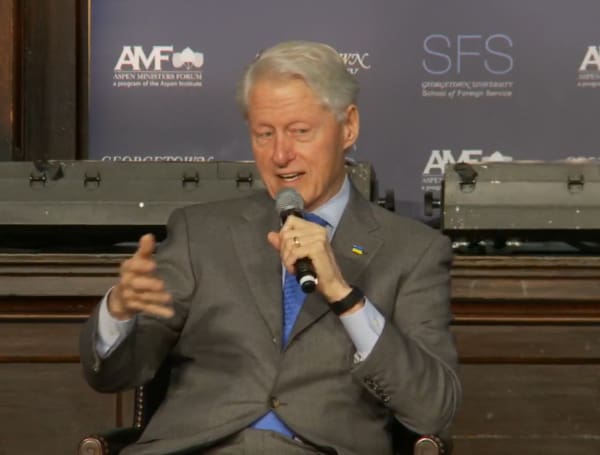
Bill Clinton, often viewed as a moderate Democrat, ran for president in 1992 with a platform that included ending welfare as it was known at the time. He signed a “welfare to work” bill in 1996, which was passed by a Republican-controlled Congress. This legislation marked a significant shift in the party's approach to social policy.
Elaine C. Kamarck, one of the original leaders of the DLC, highlighted that the center-left approach was effective in winning elections. She pointed out that the party never fully returned to that strategy after the 1990s.
Some prominent Democrats have criticized the party for being too focused on identity politics and not enough on practical solutions. Seth London, a major donor, sent a memo to "Discouraged Democrats" in November 2024, suggesting that the party needs to focus on delivering the American dream through concrete actions rather than group-based politics.
Matt Bennett, founder of Third Way, a Democratic think tank that promotes moderate policies, stated that current politicians fear the left more than their predecessors did. He suggested that the party should not shy away from progressive ideas.
On the other hand, some left-wing Democrats have gained prominence within the party. Zohran Mamdani, a socialist candidate for mayor of New York City, and Abdul El-Sayed, a far-left candidate in Michigan’s 2026 Democratic Senate race, have emerged as notable figures. Both are backed by Senator Bernie Sanders, highlighting the growing influence of left-leaning voices.
Omar Fateh, a far-left candidate for mayor of Minneapolis, recently received the official endorsement of the city’s Democratic Party affiliate. His policy platform shares similarities with that of Mamdani, indicating a trend toward more progressive positions.
Democratic Senator Michael Bennet believes the party needs to rethink what it stands for. He argues that the focus should be on creating a compelling vision for middle-class Americans rather than promoting centrist candidates. Bennet suggests that the policies of the past may have been corrosive to the middle class and that the party must adapt to the current era.
Bennet emphasizes the need for the party to find a new direction that resonates with the challenges and aspirations of today’s voters. He believes that the lessons from the past can guide the party toward a more effective future.

Post a Comment for "Democrats Seek Clinton-Era Politics To Revive Party"
Post a Comment