Deion Sanders' Bladder Cancer Diagnosis Sparks Urgent Testing Call
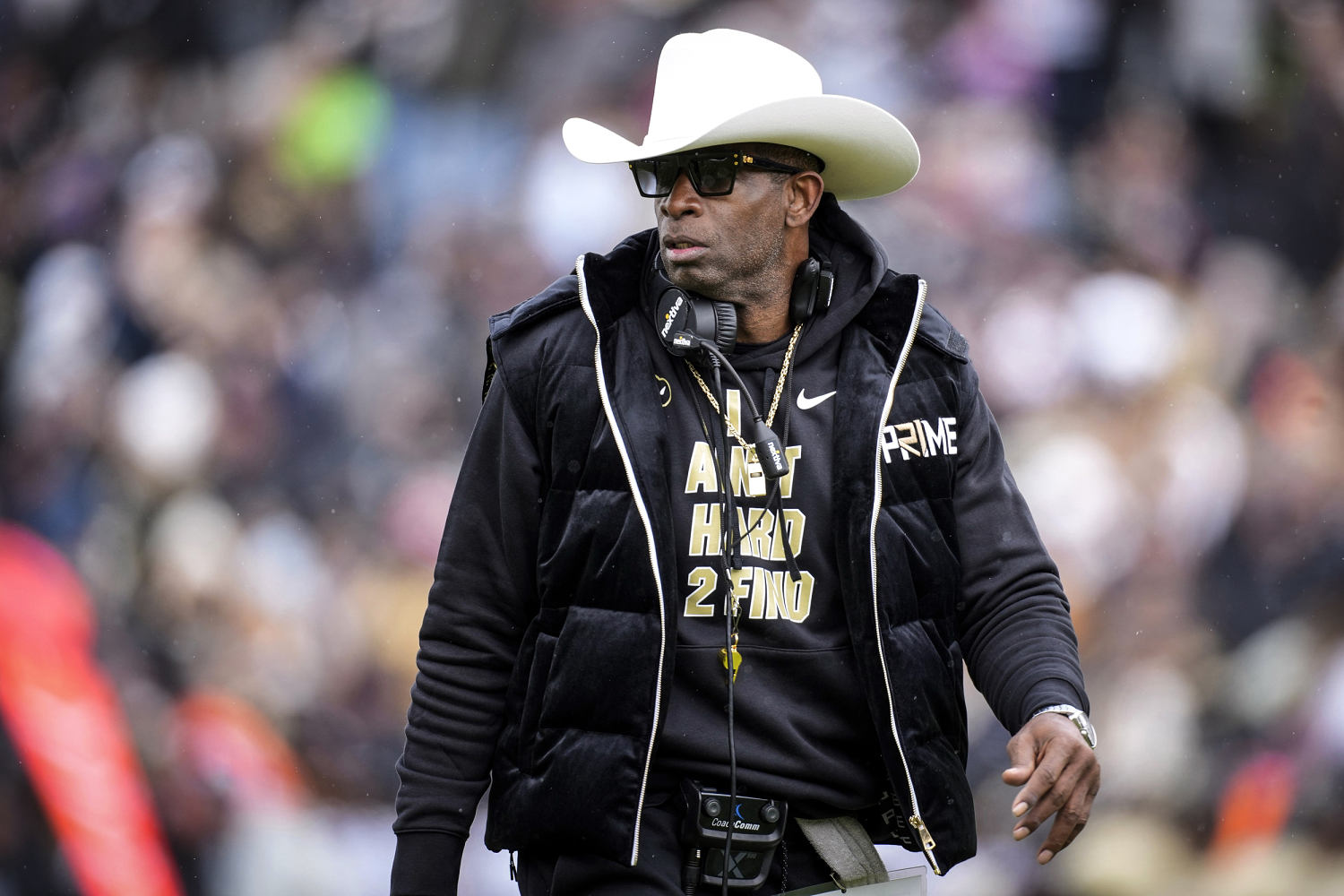
The Health Struggles of Deion Sanders and the Broader Implications for Black Communities
Deion Sanders, the head coach of the Colorado Buffaloes and a Pro Football Hall of Fame inductee, has been the subject of much speculation regarding his health. His absence from team practices raised concerns among fans and colleagues alike. However, on Monday, he revealed that he had undergone surgery in June to remove his bladder after being diagnosed with cancer. This revelation highlights the reality that cancer does not spare anyone, regardless of their wealth or status.
The situation also brings attention to the disproportionate health risks faced by Black individuals. According to Geoffrey Mount Varner, an emergency room physician in Maryland, Black people are less likely to develop bladder cancer but more likely to die from it. “It does impact Black people more and aggressively,” he said. This disparity underscores the need for greater awareness and proactive measures when it comes to cancer prevention and early detection.
In a video released in May, which was shared by his son, Sanders spoke about the emotional toll of having to write a will before his surgery. “That’s not easy at all,” he said during the recording. His experience serves as a reminder of the personal and emotional challenges that come with a cancer diagnosis.
The case of Deion Sanders is not unique. Five years ago, the death of actor Chadwick Boseman from colon cancer at age 43 sparked increased awareness among Black men about the importance of regular screenings. According to the American Cancer Society, Black people face a disproportionately high risk of colon cancer diagnoses, with mortality rates rising in recent years, especially among Black men.
Just four days before Sanders’ press conference, Varner, who is also a Black man in his 50s, completed chemotherapy for prostate cancer. “Cancer touches 100% of people,” he said, emphasizing the universal impact of the disease.
Understanding Bladder Cancer Surgery
During the press conference, Janet Kukreja, director of urological oncology at University of Colorado Health, explained that Sanders opted for surgery over chemotherapy because it offered a better chance of continuing his coaching career. “It’s a laparoscopic surgery,” she said, “where we attach a robot to the patient, and then we do all the maneuvering of the robot.”
Kukreja described the procedure as involving the removal of the bladder along with surrounding lymph nodes to check for signs of spread. She also mentioned the creation of a new bladder using the patient's own intestine, which avoids the need for immunosuppressive drugs.
Life after such a surgery, according to Kukreja, involves adapting to a new way of living. “It is a learning curve, for sure,” she said. Despite this, Sanders remains optimistic, joking that there may need to be a “port-a-potty on the sideline” during games.
Philippe Spiess, a genitourinary oncologist at Moffitt Cancer Center in Tampa, Florida, noted that the procedure typically lasts between five and seven hours. “It involves removing the bladder, prostate and surrounding lymph nodes in the pelvis,” he said, explaining that the cancer could have spread beyond the bladder.
Why Black Americans Should Pay Attention
Sanders used his press conference to encourage people to get checked out, especially if they notice even the mildest symptoms. Varner echoed this advice, emphasizing the importance of basic screenings like urinalysis for detecting blood in the urine, which can be an early sign of bladder cancer.
Varner pointed out that up to 70% of cancers are linked to diet, particularly fast food and ultra-processed products. “In Black communities, there are one and a half times more fast-food restaurants,” he said. “This leads to increased cancer risk.”
He also called for greater accessibility to basic cancer screenings, suggesting that making these tests free would benefit everyone, especially Black communities. As an ER doctor, Varner often sees patients who delay seeking care until their symptoms become severe. He stressed the importance of early screening and taking advantage of available programs to cover the cost of tests.
By raising awareness and promoting preventative care, figures like Deion Sanders and doctors like Varner hope to inspire action and improve health outcomes for all.

Post a Comment for "Deion Sanders' Bladder Cancer Diagnosis Sparks Urgent Testing Call"
Post a Comment