"Deceiving the Public": Israeli Protests Target Netanyahu
Growing Protests in Israel Demand Ceasefire and Hostage Release
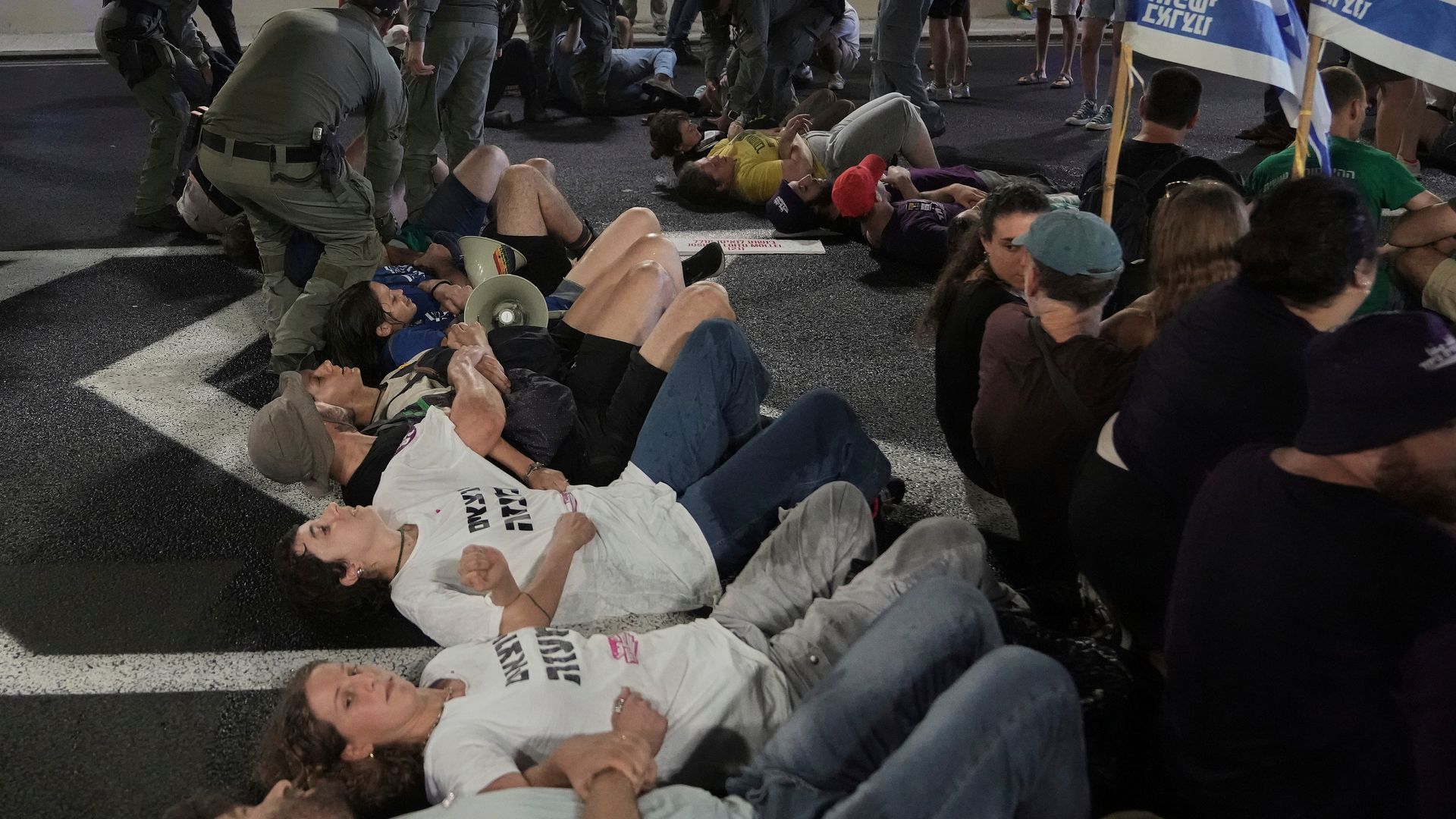
Protests erupted across Israel on Sunday, as citizens gathered to demand that Prime Minister Benjamin Netanyahu end the military operation in Gaza and secure the release of the remaining hostages held by Hamas. Demonstrators claimed that "hundreds of thousands" of people participated, supported by "thousands" of businesses that either went on strike or allowed their employees to join the movement.
The protests were primarily directed at Netanyahu, with organizers accusing him of misleading the public and undermining efforts to reach a ceasefire with Hamas. The Hostages Families Forum highlighted the prolonged captivity of the hostages, stating, "Netanyahu, for 22 months the hostages are languishing in Gaza - on your watch." They criticized his actions, urging him to prioritize bringing the hostages back through a deal rather than focusing on political spin and criticism of the families.
Hamas has engaged in negotiations with mediators in Egypt and Qatar at various points, but Netanyahu has consistently rejected proposed agreements, insisting on complete demilitarization of the Gaza Strip. He emphasized that any compromise short of this would be unacceptable, arguing that Israel must enforce ongoing measures against any rearmament or organization by terror groups.
The Hostages Families Forum responded by stating that many opportunities to bring the hostages back had been missed, with the leader being the one who "torpedoed, rejected and avoided [a deal]." This sentiment was echoed by the October Council, which organized the demonstrations.
Military Action Seen as Threat to Hostages
The Hostages Families Forum and the October Council also expressed concerns about the Israeli Defense Forces' (IDF) decision to expand its control over Gaza. They argued that this move directly threatens the 50 hostages still held by Hamas, with only about 20 believed to be alive. Arbel Yehoud, a former hostage, spoke out during a demonstration in Tel Aviv's Hostages Square, stating, "I know firsthand what it's like to be in captivity. I know that military pressure doesn't bring hostages back - it only kills them."
Yehoud emphasized that the only way to secure the release of the hostages is through a comprehensive deal, without further delays or conditions. His remarks resonated with many protesters, who see the continued military operations as counterproductive and dangerous.
Recent Protests and Government Response
Sunday’s demonstrations resulted in more than 30 arrests and the use of water cannons against demonstrators blocking roads. This marks the second mass protest against Netanyahu this month. On August 9, tens of thousands of Israelis took to the streets after the Israeli cabinet announced its intention to take over Gaza.
Experts suggest that while the protests have gained momentum, they may not be enough to sway Netanyahu. Atalia Omer, a professor of religion, conflict, and peace studies at the University of Notre Dame, noted that Netanyahu has maintained strong support despite opposition, corruption allegations, and global criticism of the war.
Omer pointed out that while there is growing awareness of the humanitarian crisis in Gaza, the focus of the protests remains largely on the impact on Jewish Israelis rather than the broader consequences of the 22-month conflict. She added that there is limited recognition of the suffering endured by Palestinians over the past two years.
Rising Solidarity and Public Awareness
Despite these challenges, there are signs of increased solidarity between Israelis and Palestinians. A photo of an emaciated Palestinian child from Gaza was seen during a recent protest, highlighting the growing visibility of Palestinian suffering in Israeli demonstrations. Images of such hardship were once rare, but they have become more common following reports of widespread famine and rising malnutrition-related deaths.
Continuing the Pressure
Arbel Yehoud, who was freed in January as part of an initial ceasefire agreement, urged continued protests until the war ends and all hostages are released. He called on the public to keep up the pressure, stating, "We need to stop normal life again and again until those in captivity return." He emphasized the urgency of the situation, asking, "How much longer will you continue to close your eyes?"
Yehoud concluded with a powerful message: "There is only one way to bring them all back: a deal now." His words underscore the determination of the protesters and the pressing need for action to end the conflict and secure the release of the hostages.

Post a Comment for ""Deceiving the Public": Israeli Protests Target Netanyahu"
Post a Comment