DEA Stops Prescription Drug Abuse Through Diversion Control
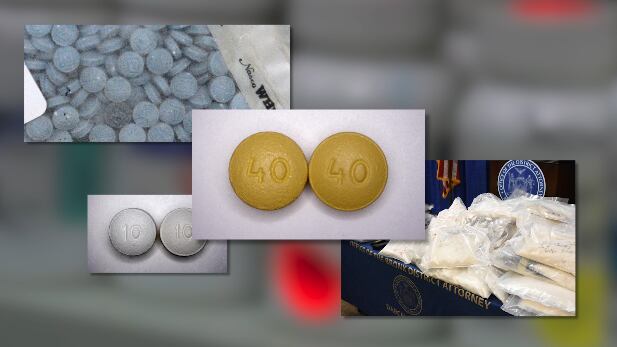
The DEA’s Efforts to Prevent Prescription Drug Diversion
The Drug Enforcement Administration (DEA) is actively working to ensure that prescription drugs remain in the hands of those who need them and do not fall into the wrong ones. This mission, often overlooked by the public, focuses on what the DEA calls "diversion control." This involves monitoring the entire process of prescription drug manufacturing, distribution, and sales to prevent them from being misused or sold illegally.
Prescription drug abuse has become a major public health issue, with many people starting their addiction through legally prescribed medications. When individuals obtain pills from the streets or online, they risk encountering substances that are either counterfeit or contain harmful ingredients. The DEA emphasizes the importance of maintaining a closed-loop system to prevent these drugs from entering the black market.
Understanding the Risks of Diversion
Brian McNeal, a public information officer for the DEA Detroit field division, explained how various points in the supply chain can be exploited. For example, someone working at a local pharmacy might take a few pills and sell them out of the back door instead of through legitimate channels. Similarly, truck drivers transporting medications could also be tempted to divert drugs for personal gain.
McNeal highlighted the role of doctors in some cases of diversion. He noted that some practitioners may become involved in unethical schemes, such as prescribing medications freely to individuals for financial gain. In certain scenarios, doctors might even buy back the pills they prescribe to fuel their own addictions. There are also instances where doctors, pharmacies, and recruiters collude to pay people for prescriptions, creating a cycle of illegal activity.
One example McNeal provided involved a scheme where individuals would receive 30 hydrocodone pills and sell them back to a recruiter for $100. With 30 people participating, this could result in 3,000 pills being sold for $30,000. Such schemes are highly profitable and pose significant risks to public health.
DEA’s Strategies to Combat Diversion
To address these challenges, the DEA requires all registrants—including pharmacies, clinics, and medical practitioners—to follow strict guidelines. These include regular training sessions and safety checklists to ensure compliance with regulations. The agency also conducts inspections of pharmacies and can obtain search warrants when necessary to investigate potential violations.
In December, a case involving fentanyl theft from a Cleveland Clinic was reported. An employee was found to have stolen the drug and kept it in their apartment. While the exact intentions of the employee remain unclear, the incident underscores the dangers of drugs escaping the controlled supply chain and ending up on the streets.
Educational Initiatives and Resources
The DEA continues to educate healthcare professionals about the risks of prescription drug diversion. An upcoming event, the “Practitioner Diversion Awareness Conference,” will take place on August 8th and 9th near Columbus. This conference is designed for practitioners in Ohio and Michigan and will offer interactive training from the DEA and state boards.
For those seeking help with substance abuse issues, the DEA provides resources on its website, DEA.gov. Individuals can also report suspicious activities related to doctors or pharmacies anonymously. If you suspect any illegal drug-related behavior, you can contact 19 Investigates for further assistance.

Post a Comment for "DEA Stops Prescription Drug Abuse Through Diversion Control"
Post a Comment