Daytime Running Lights vs. Headlights – When to Use Each
Understanding Daytime Running Lights (DRLs)
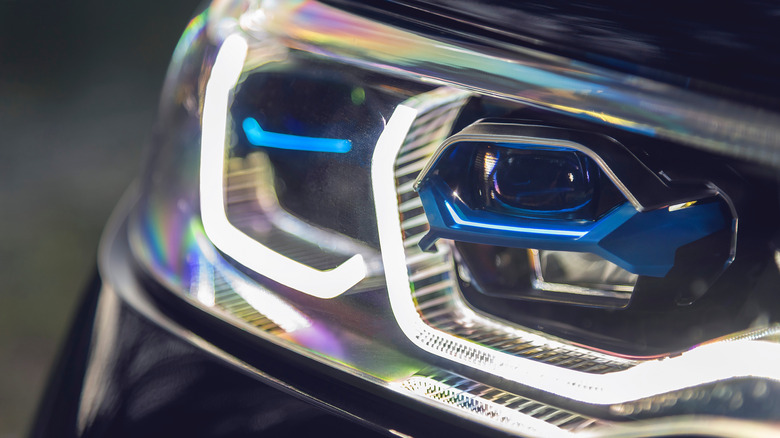
Daytime running lights (DRLs) are not a substitute for your car's headlights, nor are they a practical or legal alternative. These low-intensity LED lights are typically positioned at the front of a vehicle, often near the headlight housing. While they are brighter than park lights, they are not as intense as the main headlights. Despite their lower brightness, DRLs provide enough illumination to make your car more visible to other drivers, pedestrians, cyclists, and road users during the day, particularly in cloudy, foggy, or dusky conditions.
In most modern vehicles, DRLs automatically activate when the engine starts and turn off when the headlights are engaged. There is no need for additional learning or manual adjustments, as the system activates automatically once you start the car. Once activated, a DRL warning light on the instrument panel may illuminate, signaling that the system is functioning. Some vehicles also allow drivers to disable DRLs under certain conditions, such as when the car is parked or idling with the engine running.
The Safety Benefits of DRLs
Research indicates that vehicles equipped with DRLs are 5% less likely to be involved in daytime fatal crashes compared to those without. Additionally, the risk of daytime fatalities in single-vehicle crashes involving cyclists, pedestrians, and non-motorists is reduced by 12%. These findings suggest that DRLs are more than just a design feature—they play a significant role in enhancing driving safety.
Are DRLs Suitable for Nighttime Driving?
No, DRLs are not ideal for nighttime driving. Their light intensity is insufficient to properly illuminate the road when it's dark. While they can improve visibility and reduce accident risks during the day, they fall short in low-light conditions. DRLs cannot replace headlights, whether your vehicle uses HID or LED technology. They lack the power to cut through dark highways and do not activate the taillights, which remain off even when DRLs are operational. Taillamps only come on when the headlights or park lights are turned on.
It is illegal to drive a vehicle with non-working or unlit taillights, especially at night or in adverse weather conditions like poor visibility or thick fog. Moreover, DRLs are designed to point forward, unlike headlights and fog lights, which direct light downward. This orientation enhances the visibility of your car to others but does not provide adequate road illumination like fog lamps or headlights.
Are DRLs Required by U.S. Law?
Despite studies conducted by the National Highway Traffic Safety Administration (NHTSA) showing that DRLs help reduce crashes and accidents, U.S. federal law does not require vehicles to have them. However, Canada has mandated DRLs for all new vehicles since 1989, and the European Union has made them mandatory for all new cars, trucks, and vans sold since 2012. Although not required in the U.S., it is legal to install DRLs on older vehicles if you're willing to cover the costs.
Installation and Cost Considerations
From a safety perspective, DRLs might not be essential, but they can give an older vehicle a more modern and stylish appearance. A typical DRL kit can cost between $50 and $200, with installation taking three to four hours depending on the vehicle model. It is advisable to hire a professional for installation, especially if you are unfamiliar with electrical systems and mounting procedures. However, if you have the necessary skills and tools, you can save money by installing them yourself.
Stay Informed on Tech and Auto Trends
If you're interested in the latest developments in technology and the automotive industry, consider subscribing to a free newsletter. You'll receive regular updates, expert guides, and helpful tips directly in your inbox. Keep up with the trends and stay informed about what's new in the world of cars and tech.

Post a Comment for "Daytime Running Lights vs. Headlights – When to Use Each"
Post a Comment