Cute, But Illegal: The Truth About Lemonade Stands
The Legal Landscape of Lemonade Stands
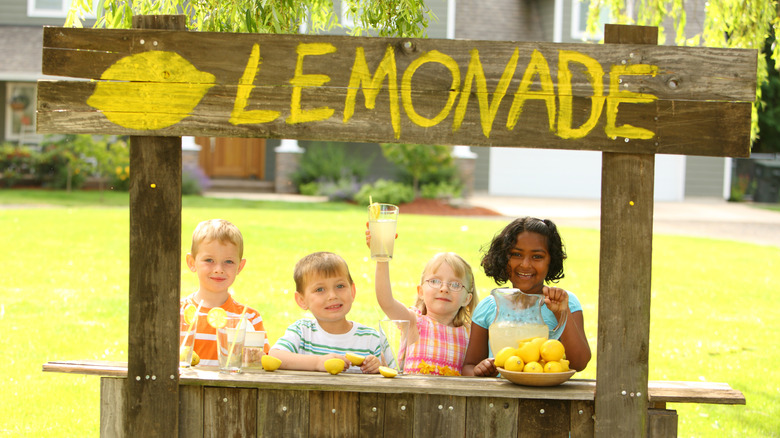
Lemonade stands have long been a symbol of childhood entrepreneurship, but for many kids, the dream of selling homemade lemonade can be quickly crushed by local regulations. In 14 states across the U.S., children can legally operate a lemonade stand without needing a permit. These states include California, Colorado, Connecticut, Illinois, Louisiana, Missouri, Nebraska, Nevada, New York, North Dakota, Rhode Island, Texas, Utah, and Vermont. However, in the remaining states, the rules are more complex, and it’s crucial to check with local authorities to understand what is allowed.
For example, in Portland, Oregon, the rules are particularly strict. According to city regulations, only commercially packaged lemonades or drink mixes made with bottled water are permitted. This rule has sparked frustration among parents and kids who see it as taking away the fun of making something from scratch. In 2010, a 7-year-old's lemonade stand at an art fair was shut down by Multnomah County officials, drawing national attention to the issue.
A Movement for Lemonade Freedom
The crackdown on lemonade stands has led to growing public concern, prompting both individuals and organizations to take action. In 2011, Robert Fernandes, a father from Philadelphia, declared August 20 "Lemonade Freedom Day" as a way to protest the increasing number of lemonade stand closures. His efforts helped raise awareness about the importance of allowing children to learn business skills through simple ventures like selling lemonade.
In 2018, the lemonade brand Country Time launched the "Legal-Ade" campaign, which aimed to cover any fines that children might face if their stands were shut down. While this initiative eventually ended, it highlighted the need for clearer and more child-friendly regulations around lemonade stands.
Local Efforts and Legislative Changes
Local advocacy has also played a significant role in changing the rules. In 2021, Illinois passed Hayli's Law, named after Hayli Martenez, who was just 11 years old when she started a lemonade stand to raise money for college. Her stand was shut down by police, leading to a statewide change that now allows children to sell lemonade without permits. Similarly, in February 2025, Indiana's House of Representatives passed a bill that eased restrictions on children's lemonade stands.
Organizations like Lemonade Day have supported these legislative efforts and provide programs that teach young people about entrepreneurship. Their goal is to ensure that kids can still experience the joy of running a small business while also learning important life skills.
Ensuring Safety and Hygiene
While shutting down a child's lemonade stand may seem harsh, health inspectors have valid concerns. Raw juices, including homemade lemonade, can carry bacteria that pose health risks. When you buy a cup of lemonade made from scratch, there's no guarantee that the lemons or the hands that squeezed them were clean. However, most people accept this risk, especially since similar dangers exist in other food settings, such as family gatherings or homemade baked goods.
To keep lemonade safe, it's essential to follow proper hygiene practices. Start by thoroughly washing and scrubbing lemons with a produce brush. Dry them with a clean towel before juicing. Once you’ve extracted the juice, sweeten it with sugar or honey and then pasteurize it by heating it to 203 degrees Fahrenheit for 15 seconds. Afterward, dilute the base with water, transfer it to sanitized containers, and refrigerate it.
When serving lemonade at a stand, use sealed containers to prevent cross-contamination. Keep the drinks cold in a clean cooler and encourage frequent handwashing, especially after handling money. These steps help ensure that the lemonade remains safe for everyone to enjoy.
Supporting Young Entrepreneurs
If you're helping a child set up a lemonade stand or hosting a summer lemonade party yourself, remember that your role is not just about selling drinks—it's about teaching responsibility, safety, and creativity. By following these guidelines, you can help preserve the spirit of childhood entrepreneurship while keeping everyone healthy and happy.
For more insights into food, drink, and cooking tips, consider joining The Takeout's newsletter. Stay updated on taste tests, food news, and exclusive deals from your favorite restaurants.

Post a Comment for "Cute, But Illegal: The Truth About Lemonade Stands"
Post a Comment