CSL Splits Off Seqirus, Cuts Up to 15% of Workforce in Major Restructuring
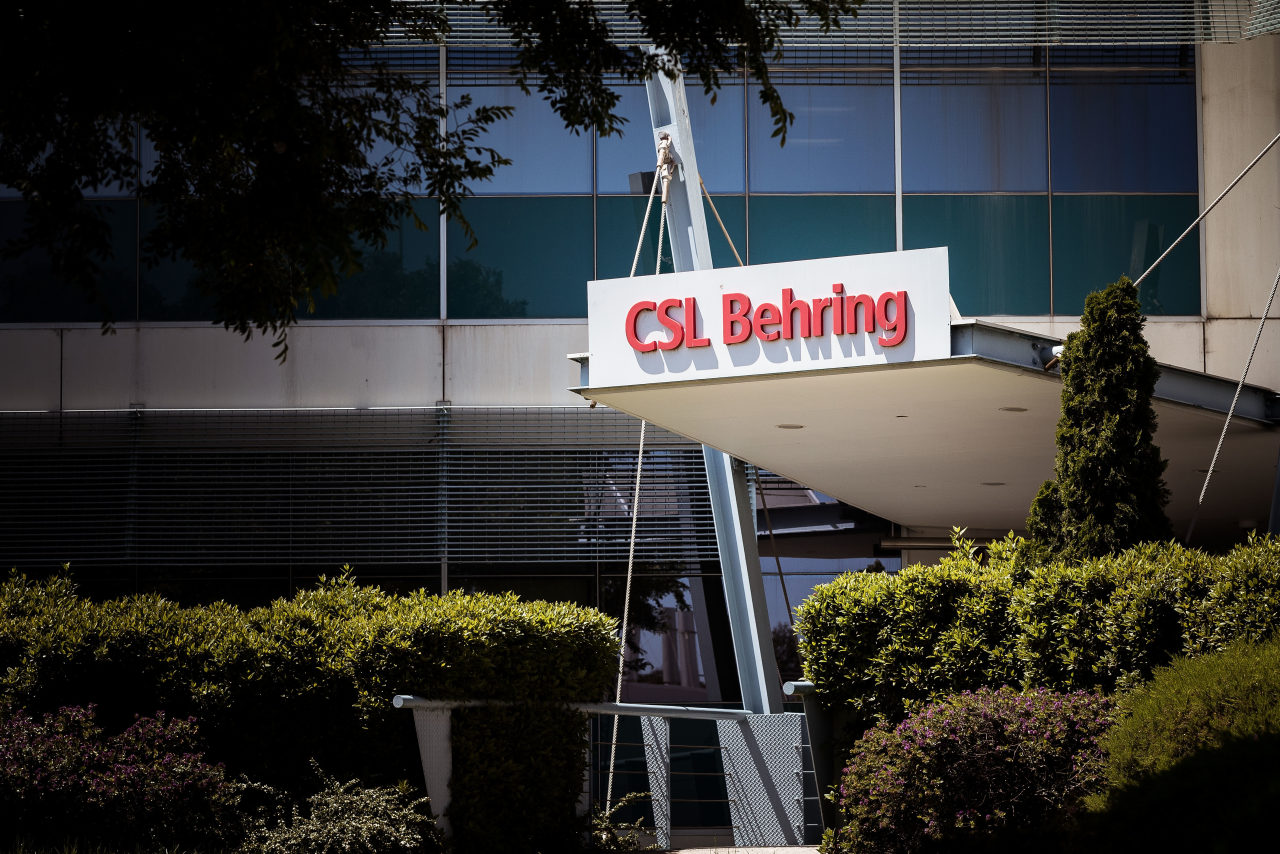
CSL Announces Major Restructuring to Boost Efficiency and Shareholder Value
CSL, a leading vaccine and blood-products company based in Australia, has announced a comprehensive corporate restructuring that includes spinning off its flu-vaccine unit, Seqirus, and reducing its workforce by up to 15%. This move comes as the company seeks to streamline its operations and adapt to a rapidly changing business environment.
The restructuring was revealed alongside CSL’s annual earnings report. The company cited external challenges such as shifting public attitudes toward vaccines in the U.S., potential tariffs, and pressure from the Trump administration to reduce costs. These factors have contributed to a complex operating landscape, making it harder for CSL to deliver strong returns to its stakeholders.
According to CSL, the restructure aims to simplify its organizational structure and unlock value that is not tied to its primary blood-products business. This division collects plasma from a network of centers and uses it to produce essential medications. However, the company has faced difficulties in maintaining growth due to these external pressures.
CSL shares have underperformed compared to the broader market, with some analysts suggesting that investors were effectively valuing Seqirus and the specialty business Vifor at zero. As of Monday, CSL shares had declined by 3.6% this year, while the main Australian market benchmark saw a nearly 10% increase.
As part of the restructuring, CSL will implement a new portfolio development and commercialization model that integrates research and development, business development, and commercial teams. The blood-products business Behring and the specialty unit Vifor will also combine their medical and commercial functions.
The company has estimated one-time restructuring costs of $700 million to $770 million before tax and $560 million to $620 million after tax, which will be recognized in the 2026 fiscal year. These costs are expected to be offset by annualized cost savings of $500 million to $550 million over the next three years. Additionally, Seqirus will be listed in Australia as part of the restructuring plan.
“We firmly believe that a simplified and focused CSL is best for patients, best for our people, and best for our shareholders,” said Chief Executive Paul McKenzie. “The changes announced today will deliver enduring patient value and durable shareholder returns.”
In addition to the restructuring, CSL plans to restart a share buyback program. The buybacks will begin with up to 750 million Australian dollars (US$487 million) in the 2026 fiscal year and will increase progressively over the medium term.
Strong Financial Performance
Regarding its annual earnings, CSL reported a key measure of net profit, known as Npata, rose 11% to $3.22 billion in the 2025 fiscal year, which ended in June. When excluding currency fluctuations, Npata increased by 14% to $3.3 billion, meeting the company's expectations.
The results were driven by the main Behring unit, which saw a 6% rise in revenue at constant currency, and the Vifor unit, which recorded an 8% increase. Despite recent struggles, Seqirus posted a 2% rise in revenue for the fiscal year.
Looking ahead, CSL expects Npata, excluding restructuring costs and assuming no impact from tariffs, to reach $3.45 billion to $3.55 billion when currency swings are stripped out. This represents a growth of 7% to 10%.
During the pandemic, CSL faced challenges as many of its plasma-collection centers had to close to prevent the spread of the virus. However, the business has since recovered. In August, CSL shut down 22 underperforming centers, which accounted for 7% of its U.S. footprint.

Post a Comment for "CSL Splits Off Seqirus, Cuts Up to 15% of Workforce in Major Restructuring"
Post a Comment