Cruise Lines Face Scrutiny Over Navy Maintenance Concerns
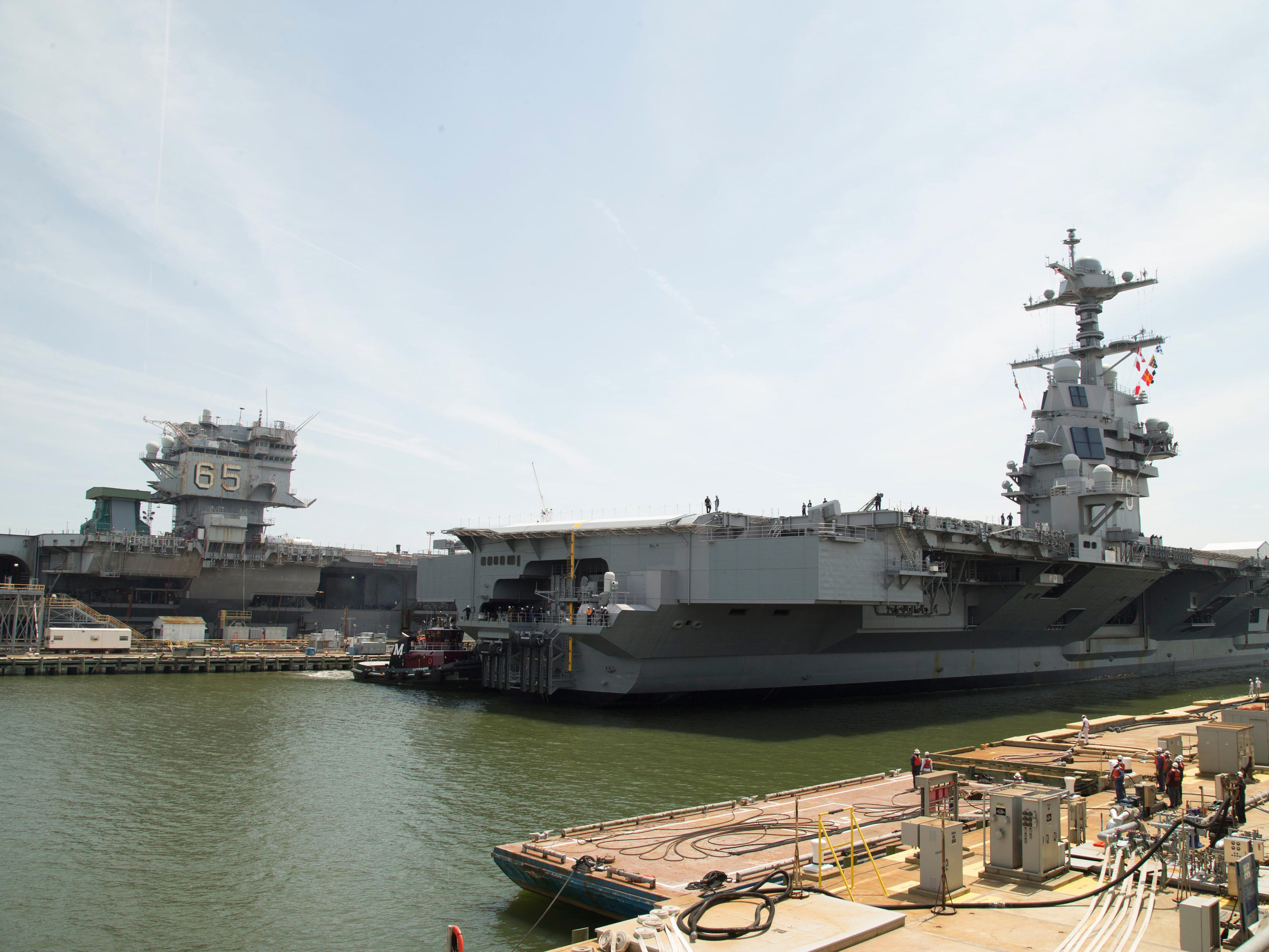
Exploring New Strategies for Navy Ship Maintenance
The U.S. Navy has long faced challenges in maintaining its fleet of ships, with chronic issues related to scheduled maintenance, workforce shortages, and limited access to dry docks. In recent years, the service has turned its attention to the commercial cruise industry, seeking insights into how these companies manage their massive floating hotels with remarkable efficiency. This collaboration could offer valuable lessons that help the Navy improve its readiness and operational effectiveness.
Learning from the Cruise Industry
Adm. Daryl Caudle, President Trump’s nominee for chief of naval operations, has emphasized the importance of learning from industries outside the military, including cruise lines. During a recent appearance before the U.S. Senate Armed Services Committee, he highlighted the need to adopt best practices from other sectors, particularly those that excel in maintenance and modernization. He specifically mentioned meetings with executives from Norwegian Cruise Line and ongoing collaborations with Carnival Cruise Line.
Caudle noted that during a Fleet Week event in Miami, he had discussions with cruise line leaders about how they manage ship maintenance. The goal is to identify strategies that can be adapted to the unique needs of the Navy. While there are differences between maintaining military vessels and cruise ships—such as varying classes of ships and capabilities—the Navy is actively exploring what can be applied.
Persistent Maintenance Challenges
The Navy has struggled with maintenance issues for decades. These include shipyard backlogs, limited dry dock availability, scheduling errors, and an insufficient workforce. According to the Government Accountability Office (GAO), between 2015 and 2020, 75% of planned maintenance availabilities were delayed. Additionally, there have been consistent shortages of spare parts and materials, further complicating the process.
These problems are compounded by broader challenges in shipbuilding, which have slowed the acquisition of new vessels. Experts worry that the Navy may not be able to maintain its current fleet while simultaneously building new ships, raising concerns about readiness in potential conflicts, especially against adversarial powers like China.
Lessons from Cruise Lines
Cruise lines have demonstrated a high level of efficiency in managing their maintenance schedules. For example, Carnival Cruise Line has shown the ability to complete a major overhaul of a 700-foot ship in just 28 days—a feat that often takes the Navy months or even years. This efficiency is largely due to strict adherence to planned schedules and predictable operational profiles.
Bryan Clark, a retired Navy submarine officer and defense expert at the Hudson Institute, explained that cruise lines operate with a clear understanding of their ships' conditions and maintenance needs. “The ships go into refits and overhauls at specified periodicities, and the condition of the ship is predictable because the operational profile is well known,” he said.
The Navy could benefit from adopting similar planning and scheduling techniques. By ensuring that work packages accurately reflect assessments done on the ship before it enters maintenance, the Navy could avoid unexpected issues during repairs. Additionally, the service could explore alternative ways to meet operational needs without compromising maintenance schedules.
Barriers to Implementation
Despite the potential benefits, implementing these strategies is not without challenges. The Navy’s maintenance schedules are subject to frequent changes based on global deployment needs, the availability of specific ship classes, and the requirements of vessels undergoing maintenance. Unlike cruise ships, where the operational profile is well-defined, the condition of Navy ships can be less predictable, with potential issues related to complex systems and weapons.
Another significant challenge is the “right to repair” for sailors at sea. During his confirmation hearing, Caudle emphasized the need for better training and authorization for sailors to perform maintenance while underway, rather than relying on contractors. However, this issue is part of a larger systemic problem within the Navy, requiring comprehensive reforms to address.
Looking Ahead
As the Navy continues to seek innovative solutions, the lessons learned from the cruise industry could play a crucial role in improving maintenance efficiency. By adopting best practices in planning, scheduling, and workforce training, the service may be able to enhance its readiness and ensure that its fleet remains capable of meeting operational demands. The path forward will require collaboration, adaptability, and a willingness to embrace new approaches to traditional challenges.

Post a Comment for "Cruise Lines Face Scrutiny Over Navy Maintenance Concerns"
Post a Comment