Cruise Industry Resists Hawaii's Port Call Restrictions
Hawaii’s Cruise Industry Pushes for Collaboration Over Cuts
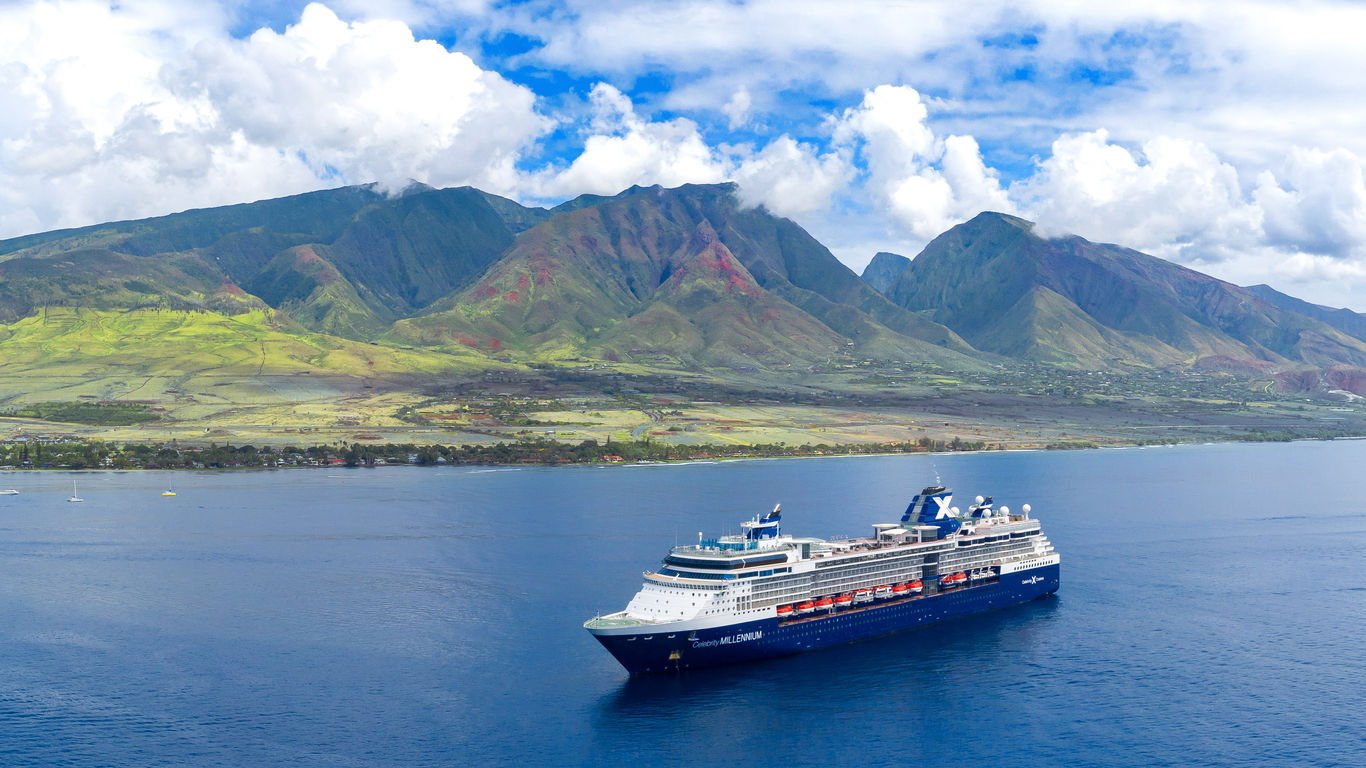
Hawaii is facing a critical decision regarding its relationship with the cruise industry. The state’s Department of Transportation (DOT) has proposed a significant reduction in cruise ship visits, aiming to cut them by 50% by 2030 and another 50% by 2035. While the plan includes an exception for the Norwegian Cruise Line’s Pride of America, it would still impact other large vessels that include Hawaii in their itineraries.
Local business leaders and policy groups are urging a different approach. They argue that instead of simply reducing the number of cruise ships, the focus should be on finding collaborative solutions to reduce emissions. This includes investing in cleaner technologies and exploring ways to make existing ships more environmentally friendly.
Denise Clark, a consultant who works with the cruise industry and Hawaiian businesses, recently organized a meeting of 55 Hawaii-based stakeholders to begin shaping a response to the DOT proposal. The goal was to foster open dialogue and explore alternatives that could meet environmental goals without harming local economies.
Curtis Chee, director of cruise service at MC&A, which handles cruise turnarounds and shore excursions, emphasized that local businesses want a greener future but also recognize the importance of maintaining their livelihoods. His team of roughly 50 employees works exclusively on Pride of America operations, and he stressed the need for collaboration with cruise lines to find sustainable solutions.
“We are so eager and anxious to jump in and say, 'What can we do to help you get to this plan without the elimination of vessels?'” Chee said. He suggested working with cruise lines to identify vessels that already have low emissions or the potential for shore power, which could allow them to visit Hawaii while minimizing environmental impact.
Environmental policy is a top priority for Hawaii’s Governor Josh Green. In May, lawmakers approved an 11% cruise tax aimed at funding sustainability efforts. However, some local experts believe that collaboration between the cruise industry and policymakers is essential for the success of any plan.
Malia Blom Hill, policy director at the Grassroots Institute of Hawaii, noted that Hawaiian culture values collaboration over confrontation. She suggested that cruise lines would benefit from partnering with policymakers rather than opposing them. “If the perception is that you're just trying to move in and push people around, it definitely sets up not a combativeness but a sort of, 'You're not one of us. You're not here. You don't have our interests at heart,'” she said.
DOT officials have indicated flexibility if the cruise industry shows a willingness to adopt emission-reduction measures. Dre Kalili, a deputy director at the department, said ships capable of using shore power or other low-emission technologies might still be able to visit Hawaii. “I think we are open to that,” he said. “But based on the data that we have and the trends that we see, [reducing cruise calls] emerged as a strategy.”
Clark points out, however, that Hawaii currently lacks shore power infrastructure. Building it could provide a solution, but she worries that cruise lines might scale back itineraries prematurely after seeing the state’s intentions. “We know that the port itinerary planners work so far in advance that what happens today affects us two years, three years from now,” she said.
Despite the planned exemption for the Pride of America, Norwegian Cruise Line Holdings has expressed support for an open, collaborative dialogue with the DOT. The company stated it welcomes discussions to "refine the plan and best support our shared goals of reducing emissions, enhancing energy security and expanding access to clean, zero- or low-emission fuels."
Other cruise lines deferred comment to the Cruise Lines International Association (CLIA), which said it supports "practical and effective environmental solutions that positively impact the communities we visit." This indicates that the industry is open to working with Hawaii to find a balanced approach that addresses environmental concerns while supporting local economies.

Post a Comment for "Cruise Industry Resists Hawaii's Port Call Restrictions"
Post a Comment