Could Senator Schiff Face Jail Time for Mortgage Fraud Allegations?
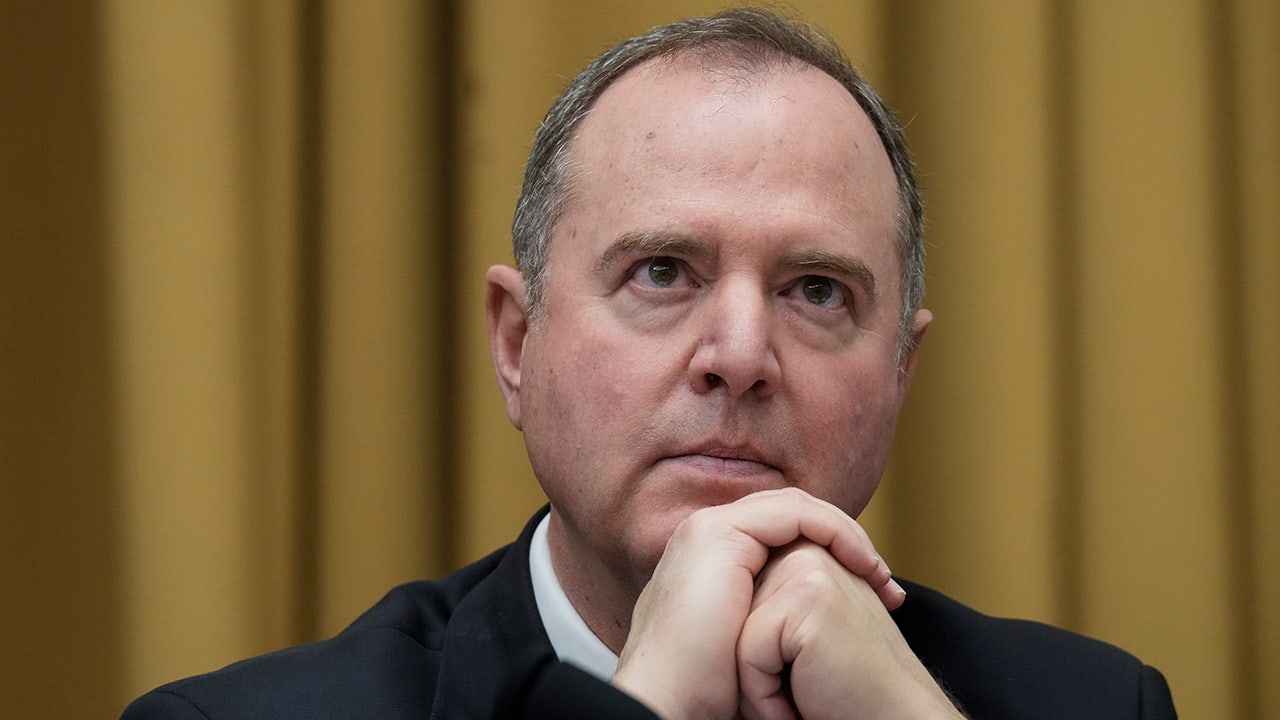
The Allegations Against Senator Adam Schiff
A recent development has brought attention to allegations against U.S. Senator Adam Schiff, a California Democrat. According to reports, William Pulte, the Director of the Federal Housing Finance Agency (FHFA), submitted a criminal referral to Attorney General Pam Bondi in May. This referral claims that Schiff falsified bank documents and property records between 2003 and 2019 to secure more favorable loan terms for a property in Potomac, Maryland.
The central issue revolves around Schiff's primary residence. While serving in the House of Representatives, he allegedly listed his Maryland home as his primary residence on loan applications. However, it is claimed that his real primary residence was a condo in Burbank, California, which he used to qualify for a homeowner’s tax exemption.
Conflicting Claims and Legal Implications
Schiff’s office responded to the allegations by stating that lenders were aware of his Congressional service and his intention to use both homes year-round. They argue that neither property was considered a vacation home. This explanation, however, does not fully address the core question: did Schiff intentionally misrepresent his primary residence on these forms?
The situation becomes more complex when considering the timing. During the same years, Schiff reportedly claimed his California condo as his primary residence on state tax filings. This raises concerns about whether he lied on multiple forms to gain financial advantages.
Legal Challenges and Statute of Limitations
One of the key legal hurdles in this case is the statute of limitations. Most federal financial fraud crimes have a 10-year limit. The last alleged false statement made by Schiff on a bank loan form was in 2013. However, the FHFA referral argues that the fraud continued until 2019 because Schiff benefited from lower interest rates due to his false statements.
This argument may not hold up under scrutiny. For instance, the specific federal criminal statute covering false statements on loan applications, 18 U.S. Code Section 1014, focuses on the act of making the false statement itself. The ongoing benefit from lower interest rates might not be sufficient to extend the statute of limitations.
Potential for State-Level Prosecution
While a federal indictment seems unlikely, there is still the possibility of a state-level prosecution. California could potentially charge Schiff with filing false tax returns if it can be proven that he misrepresented his primary residence to obtain a tax exemption. However, the likelihood of such a prosecution remains uncertain.
Examining the Evidence
To determine whether Schiff committed any wrongdoing, a thorough examination of all pertinent loan documents is necessary. This includes reviewing the instructions and definitions provided on the forms. If there was no explicit directive requiring him to list a specific residence as his primary one, then his actions may not constitute a crime.
Conclusion
While the allegations against Senator Adam Schiff are serious, the evidence and legal challenges suggest that a criminal charge at either the federal or state level is not imminent. The case highlights the complexities of white-collar crimes and the importance of examining details carefully. As the situation unfolds, further information will be needed to determine the true nature of Schiff’s actions and their legal implications.

Post a Comment for "Could Senator Schiff Face Jail Time for Mortgage Fraud Allegations?"
Post a Comment