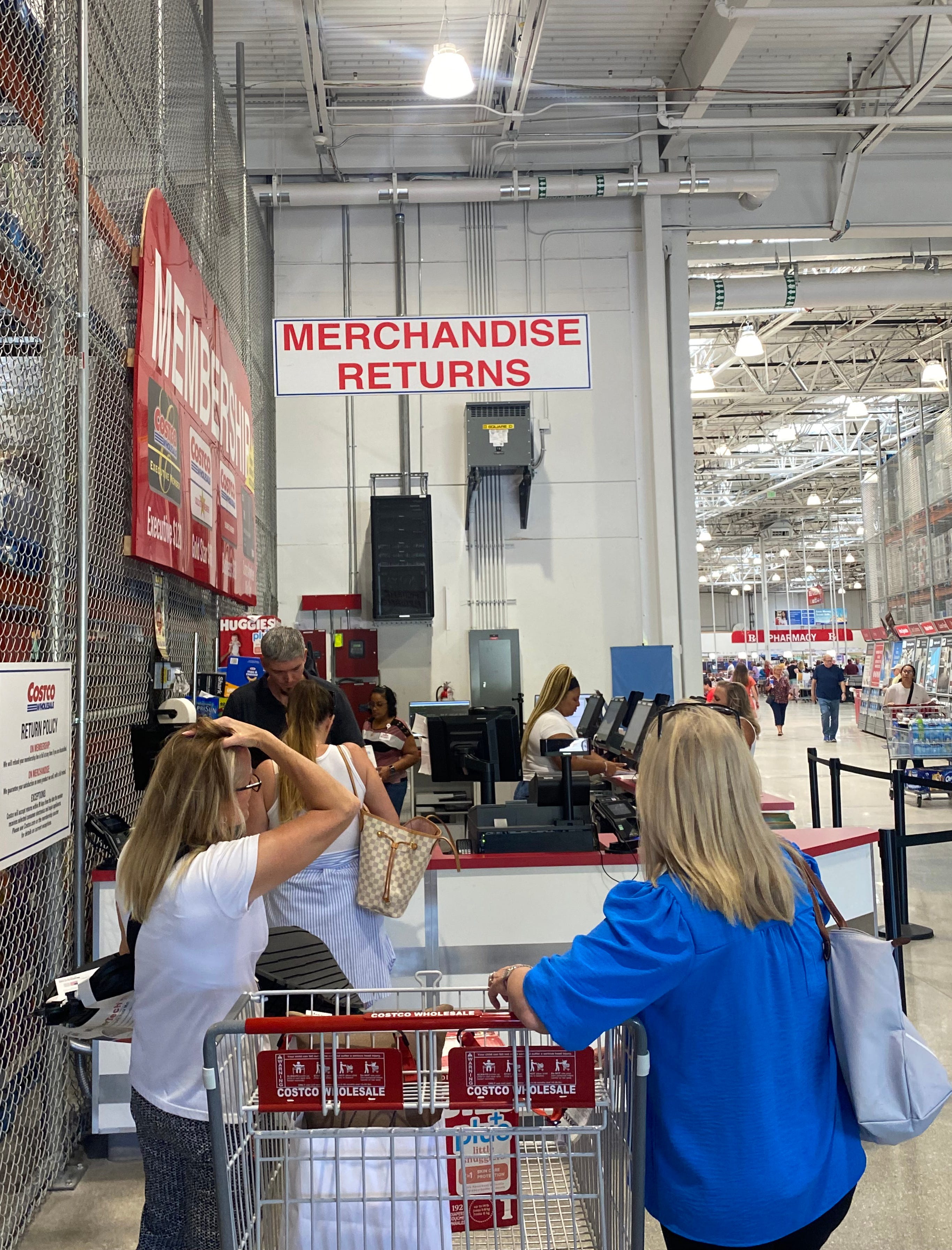
Costco Isn't the Only One: Store Returns Are Out of Control
The Rise of the “Rent the Runway” Mindset
In a 2011 episode of the NBC comedy "Parks and Recreation," Tom Haverford, played by Aziz Ansari, takes his camping trip to an extreme by transforming his tent into a luxury retreat. He equips it with an Xbox, a fondue pot, a panini press, a soft-serve ice cream maker, a DJ Roomba, and even a real bed. When asked how he affords all this, he replies, “I just return it the next day and claim it was defective.” His humorous take on the situation reflects a growing trend in consumer behavior.
This kind of behavior is not just fictional. It's rooted in real-life practices such as “wardrobing,” where people buy expensive clothing for special occasions and then return it after wearing it once. Similarly, “weekend rentals” have become common, with shoppers taking home items like leaf blowers or hedge trimmers only to return them after use.
The Impact of Inflation and Budget Constraints
With high inflation and tight budgets, more people are adopting a “rent the runway” mindset. This involves renting and returning various items, such as plants for open houses, outdoor tables for parties, and even large televisions for events like the Super Bowl. Pressure washers and paint sprayers are often discarded after home improvement projects, and some people even return ladders they used to hang holiday lights.
According to Paco Underhill, author of “Why We Buy: The Science of Shopping,” this trend is spreading. He explains that many purchases are based on immediate needs, which often disappear once the need is met.
Retailers Grapple with Return Policies
Big-box stores like Costco have faced challenges with return policies. Employees report that seasonal items, such as snowblowers after winter storms, portable generators after hurricanes, and air conditioning units after heatwaves, flood the returns area. Holiday decorations, including trees and inflatables, can stack up to seven feet high after Christmas.
Some members even return items like American flags after July 4th or jewelry for black-tie events. A recent example involved a customer returning $500 worth of meat, cheese, and dip from a wedding with fewer guests than expected.
The Origins of Money-Back Guarantees
The concept of money-back guarantees dates back to the mid-1700s when English potter Josiah Wedgwood used the idea to attract customers. In America, businessman Potter Palmer adopted the strategy in the late 1800s, encouraging customers to take merchandise home on approval. This practice became widespread, with companies like Sears and Marshall Field promoting no-questions-asked return policies.
The internet age further fueled this trend, as e-commerce companies competed for customers by offering lenient return policies. Zappos' customer-centric approach eventually led to its acquisition by Amazon for $1.2 billion.
The Cost of Lenient Return Policies
Despite the initial success, lenient return policies have created logistical and financial challenges for retailers. According to a report by the National Retail Federation and Happy Returns, returns were projected to reach $890 billion in 2024, with nearly 17% of annual sales being returned.
Retailers face increased costs from processing returns and shipping fees. Some vendors have had to absorb these costs, as they are required to accept 100% of returns without questions. For instance, a vendor selling lawnmowers to Costco found that many returned products were not even their brand, leading to significant losses.
Retailers Begin to Crack Down
Retailers are starting to implement stricter return policies. Home Depot recently introduced a 7-day return policy for certain items, citing the need to have inventory available for natural disasters. While the company denies that frequent returns were the reason for the change, store employees note that the policy has reduced return rates.
However, this shift raises concerns for customers who may encounter issues with products outside the return window. Josh Powell, a 31-year-old organ transplant coordinator, experienced this firsthand when he had to replace a faulty pressure washer. He worries about the implications of the new policy if he encounters similar issues in the future.
Balancing Consumer Needs and Retailer Challenges
As retailers navigate the complexities of return policies, the challenge remains to balance consumer needs with operational efficiency. While some argue that strict policies could deter purchases, others believe that addressing exploitative behaviors is necessary to sustain business viability.
Ultimately, the evolving landscape of retail and consumer behavior highlights the need for thoughtful policies that protect both businesses and consumers.

Post a Comment for "Costco Isn't the Only One: Store Returns Are Out of Control"
Post a Comment