Cosmetic Industry: Shaping the Global Economy
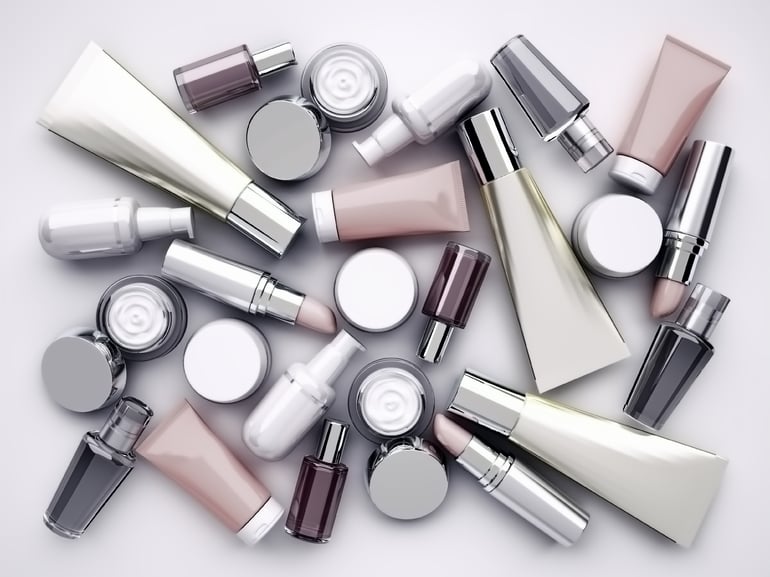
The Economic Significance of the Cosmetics Industry
The cosmetics industry is a major player in the global economy, influencing various sectors and contributing significantly to economic growth. It encompasses a wide range of products such as skincare, haircare, makeup, perfumes, and more. This sector not only enhances personal beauty standards but also plays a crucial role in economic frameworks worldwide.
According to recent data, the global cosmetics market was valued at approximately 507.8 billion U.S. dollars in 2022. This figure highlights the industry's substantial contribution to the global economy. The increasing demand for beauty products, driven by consumer awareness and innovative marketing strategies, continues to fuel the sector's expansion.
One of the key factors behind the industry's success is the diversity of products and ongoing innovation. Companies invest heavily in research and development to introduce groundbreaking products that enhance consumer experience and satisfaction. Additionally, the sector contributes significantly to job creation, supporting employment rates across the globe.
Historical Evolution of Cosmetic Products
The history of cosmetic products dates back to ancient times, with early civilizations using natural pigments and oils for beauty purposes. Over time, these products evolved from being exclusive to the elite to becoming accessible to a broader audience, leading to mass consumerism.
The 20th century marked a significant turning point with the emergence of well-known brands like L'Oréal and Estée Lauder. These companies laid the foundation for today’s multi-billion-dollar market by introducing innovative and affordable products. Cultural shifts and technological advancements have played a vital role in shaping the industry's growth over the years.
Understanding Market Dynamics and Consumer Behavior
Modern consumers are more informed and discerning, often seeking products that align with their values, such as sustainability and ethical sourcing. This shift has prompted brands to adopt transparent and sustainable practices.
The rise of digital platforms has revolutionized how consumers interact with brands. E-commerce has made cosmetic products more accessible, with online sales channels playing a significant role in the industry's growth. Major players like Sephora and Ulta Beauty have successfully leveraged digital platforms to enhance consumer engagement and expand their market reach.
Economic Contributions of the Cosmetics Industry
The cosmetics industry is a major employer, offering diverse opportunities across manufacturing, retail, marketing, and research. In the United States alone, the industry supports approximately 3.6 million domestic jobs. Employment opportunities extend beyond direct manufacturing roles, including logistics, advertising, and customer service.
Investment in research and development (R&D) is essential for sustaining growth within the cosmetics industry. Companies allocate significant resources to develop innovative products that meet evolving consumer needs. For example, The Estée Lauder Companies invest around 3% of their net sales in R&D annually, demonstrating a strong commitment to innovation.
Regional and Global Market Trends
Emerging markets are experiencing rapid growth, presenting lucrative opportunities for the cosmetics industry. Countries like China, India, and Brazil have seen increased disposable incomes and shifting beauty trends, driving demand for cosmetic products. According to a McKinsey report, the Asia-Pacific region is expected to generate nearly half of the global cosmetics market growth by 2025.
Sustainability is another critical trend shaping the future of the cosmetics industry. Consumers increasingly prioritize eco-friendly packaging and sustainable ingredient sourcing. Brands like The Body Shop and Lush have pioneered sustainable beauty practices, emphasizing fair trade and minimal environmental impact.
Technological Innovations and Industry Disruptions
Digital transformation has introduced revolutionary changes to the cosmetics industry. Artificial intelligence and augmented reality technologies are enhancing the consumer experience by offering personalized recommendations and virtual try-ons. Sephora's virtual artist application exemplifies how AI can improve consumer engagement.
Biotechnology advancements are paving the way for personalized beauty solutions. Companies are leveraging DNA analysis and microbiome data to create customized skincare regimens. Firms like Proven Skincare use machine learning algorithms to tailor products based on individual characteristics and environmental factors.
Challenges and Future Perspectives
The cosmetics industry faces regulatory challenges, with varying frameworks across regions. Ensuring product safety and compliance with standards such as the EU Cosmetics Regulation or FDA guidelines presents ongoing challenges for companies. Transparency and robust testing methods are essential for maintaining consumer trust.
Looking ahead, the industry is poised for continued growth, with trends like augmented reality, personalized beauty, and sustainability playing a pivotal role. Companies focusing on inclusivity and diversity in product formulations and marketing strategies are likely to capture new consumer segments.
In summary, the cosmetics industry not only enhances personal aesthetics but also serves as a substantial economic engine. Its role in job creation, regional economic development, and consumer empowerment underscores its significance within the global economic landscape. By embracing sustainability, technological advancements, and consumer-centric innovations, the industry is well-equipped to navigate future challenges and continue its contribution to the global economy.

Post a Comment for "Cosmetic Industry: Shaping the Global Economy"
Post a Comment