Corbyn's Mistake: Giving In on Anti-Semitism, Says Sultana
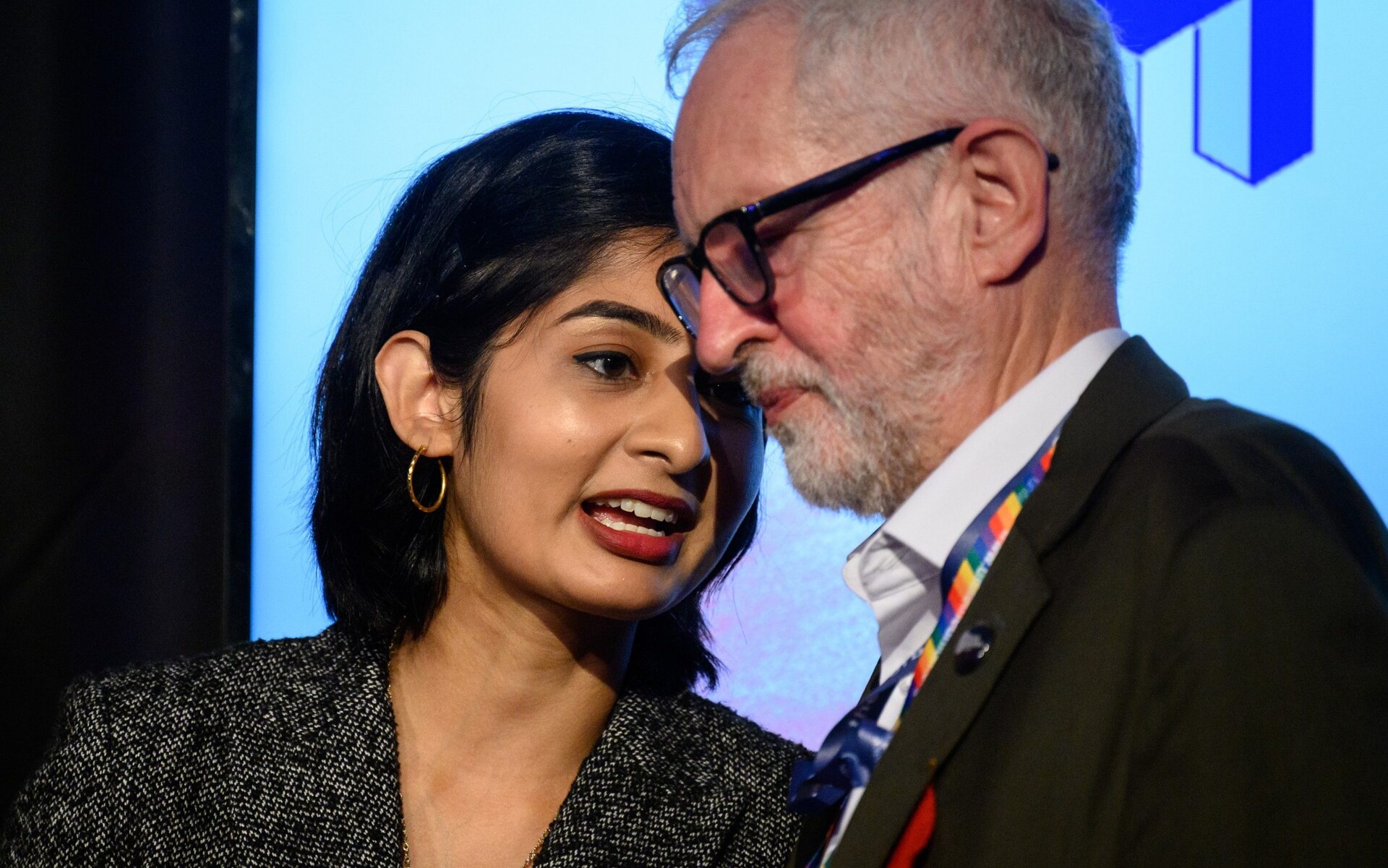
A New Political Movement and the Controversy Surrounding Anti-Semitism
Zarah Sultana, a prominent figure in Jeremy Corbyn’s new political movement, has made bold claims about the former Labour leader's approach to anti-Semitism. She accused him of "capitulating" by adopting the International Holocaust Remembrance Alliance (IHRA) definition of anti-Semitism. This definition includes the idea that holding Jews responsible for Israel’s actions or comparing its policies to those of the Nazis is considered anti-Semitic.
The Board of Deputies of British Jews responded strongly to Sultana’s remarks, calling them a "grave insult" to the Jewish community. They questioned her commitment to anti-racism, highlighting the importance of clear definitions when addressing issues like anti-Semitism.
During his time as Labour leader from 2015 to 2020, Corbyn faced repeated complaints about anti-Semitism within the party. Initially, Labour refused to adopt the IHRA wording, but after significant backlash, it eventually incorporated all 11 illustrative examples of anti-Semitism, including a warning against describing Israel’s existence as a "racist endeavor."
In an interview with The New Left Review, Sultana discussed how Corbyn’s leadership should be adapted for the present day. She emphasized the need to build on the strengths of Corbynism while recognizing its limitations. She criticized the adoption of the IHRA definition, stating that it equates anti-Semitism with anti-Zionism and has even been publicly criticized by its lead author, Kenneth Stern.
Andrew Gilbert, vice-president of the Board of Deputies, defended the IHRA definition, noting its widespread acceptance among British Jews. He called Sultana’s criticism a "grave insult" and pointed out that Labour’s real issue under Corbyn was the unlawful harassment and discrimination against Jews.
The Campaign Against Antisemitism also weighed in, questioning whether Sultana believes Jews should not have the right to define the hatred they face. Alex Hearn of Labour Against Antisemitism claimed Sultana misrepresented the IHRA definition and suggested she should remain on the fringes of politics due to her extremist views.
Sultana’s comments extended beyond anti-Semitism, as she referred to Israel as a "genocidal apartheid state" and criticized Sir Keir Starmer for not stopping arms sales to the country. A Labour source noted that the electorate has clearly rejected a Corbyn-led party, emphasizing that Starmer's Labour Party has taken strong steps to address anti-Semitism.
Sir Keir Starmer faced backlash for his refusal to call for an immediate ceasefire in the Israel-Hamas war, which began after Hamas killed around 1,200 Israelis on October 7, 2023. Since then, Labour has lost support among Muslim and left-wing voters.
Corbyn and Sultana launched their new party, temporarily named "Your Party," with a focus on pro-Palestinian activism. They stated their belief in the equal value of all human life and committed to defending the right to protest for Palestine, ending arms sales to Israel, and advocating for a free and independent Palestine.
Sultana also highlighted the lack of gender diversity in her new party, pointing out that she is the only female MP among six independents. She called for a more balanced and diverse leadership structure, emphasizing the need for gender equality and regional representation.
In the same interview, Sultana expressed hope for a "politics of fun and joy," referencing the vibrant rallies and performances associated with Corbynism. She initially declined to comment when contacted by The Telegraph but later took to social media to assert her stance as an anti-Zionist.
Corbyn was contacted for further comments, but no response was immediately available.

Post a Comment for "Corbyn's Mistake: Giving In on Anti-Semitism, Says Sultana"
Post a Comment