Coosa Riverkeeper Sues Alabama Power Over Water Pollution
Legal Action Taken Against Alabama Power Over Coal Ash Contamination
A nonprofit organization, the Coosa Riverkeeper, has taken legal action against the Alabama Power Company. The group alleges that a closed power plant in Gadsden is leaking harmful chemicals into the groundwater due to leftover coal ash. This issue has raised serious concerns about the safety of local water sources and the health of the community.
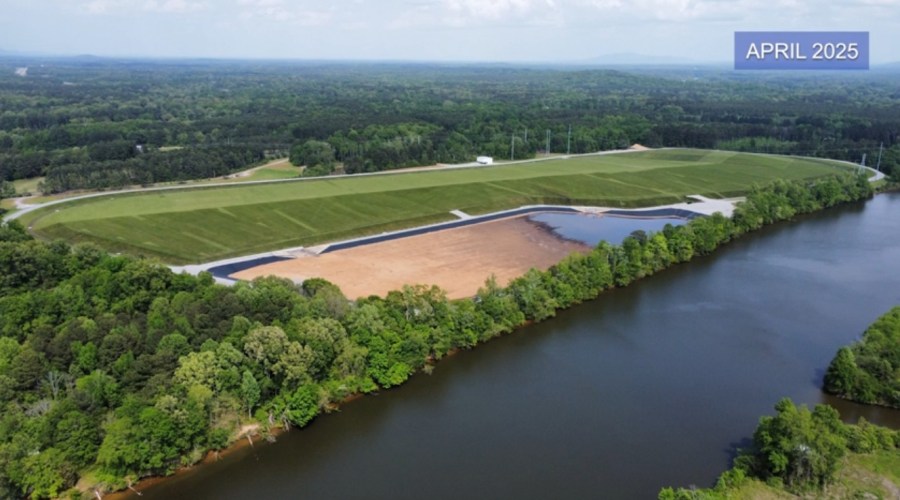
The Plant Gadsden coal ash impoundment was capped in 2018, which involved covering the dried coal ash with a layer of turf. From the outside, it might appear as a large grassy field, but beneath the surface lies a significant amount of coal ash. According to the lawsuit, 40% of this coal ash remains saturated with water, leading to contamination of the groundwater.
Justinn Overton, the Executive Director of Coosa Riverkeeper, highlighted the severity of the situation. “Their own self-reported data is showing incredibly high levels of arsenic,” he said. As of October 2024, these levels were over 40 times the groundwater protection standard of 0.01 mg/L.
In addition to arsenic, other heavy metals such as molybdenum and selenium are also present in the water. These substances pose risks not only to water quality but also to aquatic life and human health. The plant is located near the Twin Bridges Golf Course along the Coosa River and Neely Henry Lake, and just 0.6 miles from a Gadsden Water Works and Sewer Board drinking water intake that serves more than 14,000 people.
Overton emphasized the importance of clean water for the entire community. “I want Alabama Power to move their ash off our river, and when I say, ‘our river,’ I don’t mean Coosa Riverkeeper’s river,” he said. “I mean every single person that has had a wonderful day on the water catching fish, cruising on a boat with their family or maybe just it provides their drinking water.”
The lawsuit includes three personal stories from individuals who frequently interact with the affected area of the Coosa River. Derrick Heckman, who lives about 10 miles downstream from the coal ash impoundment, often hunts, fishes, and swims on Big Canoe Creek. He is concerned about the long-term effects of consuming fish caught in the area due to heavy metals.
John Brown, who grew up in Gadsden, loves to swim downstream of the plant. “Mr. Brown goes out of his way to swim as far downstream as he can due to concerns about heavy metals,” the court documents state. He is also frustrated by the lack of public notification from Alabama Power regarding what they discharge into the water.
Fred Zackery, a cancer survivor, is deeply concerned about the quality of his drinking water. “Mr. Zackery views the coal ash pond as a threat to Gadsden’s drinking water source and fears heavy metals are leaching from the coal ash pond and reaching the drinking water supply,” according to the lawsuit.
When asked for comment on the lawsuit, Alabama Power issued a statement: “As a matter of practice, we do not comment on pending legal matters.”
Coosa Riverkeeper argues that requesting the removal of coal ash from the river is a reasonable demand. “Other Southeastern utilities are moving their coal ash away from waterways to modern-lined landfills under budget and within a reasonable timeframe,” Overton said. “(Alabama Power) can do it. They are just lacking the will.”
The organization also mentioned that there are other coal ash ponds in the state, including a larger one on Lay Lake in Wilsonville, which presents similar problems. The ongoing legal battle highlights the urgent need for action to protect the environment and public health.

Post a Comment for "Coosa Riverkeeper Sues Alabama Power Over Water Pollution"
Post a Comment