Connecticut Sues to Block Medicaid Cuts to Planned Parenthood
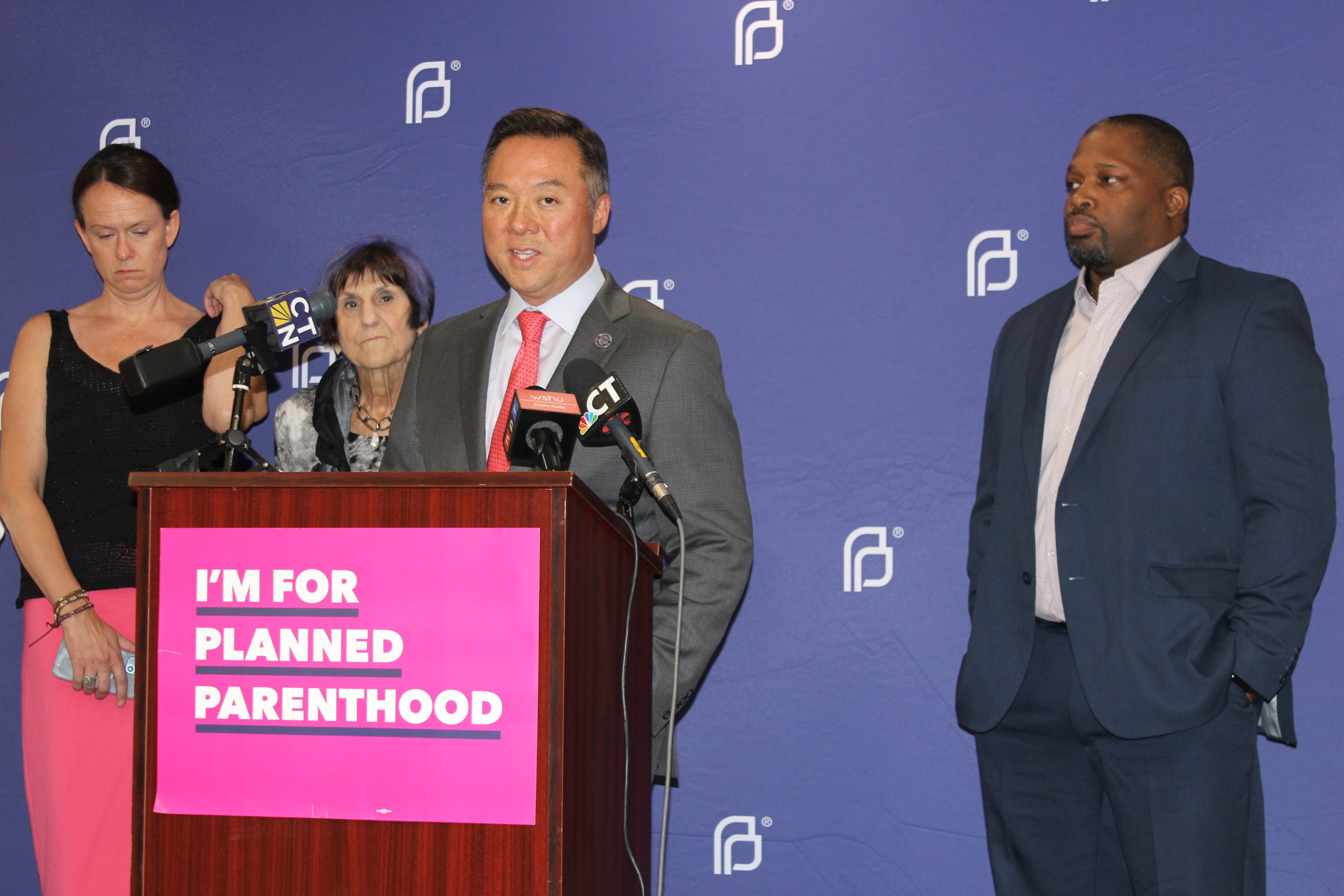
States Sue to Protect Medicaid Funding for Planned Parenthood
A day after a federal judge in Massachusetts blocked the Trump administration from ending Medicaid funding for Planned Parenthood, officials from Connecticut and 22 other states filed their own lawsuit to ensure that the clinics continue to receive federal dollars. The move highlights the growing concern among these states about the potential impact of losing funding for Planned Parenthood, which provides essential health care services to millions of Americans.
Planned Parenthood plays a critical role in the healthcare system, particularly for communities where it is the primary provider of sexual and reproductive healthcare. Gretchen Raffa, Chief Policy and Advocacy Officer for Planned Parenthood of Southern New England, emphasized this point during a press conference with Connecticut Attorney General William Tong and other officials. She stated that the organization offers more than just abortion services, including contraception, OB-GYN care, and cancer screenings.
Tong and other Democratic state lawmakers argued that the loss of funding would not only affect access to reproductive health services but also place an additional financial burden on the states. They noted that federal Medicaid funding does not cover abortions, making the issue more about healthcare access than political ideology.
The states’ lawsuit argues that Congress has forced them into a difficult position: either allow the clinics to close, which would harm their healthcare ecosystems, or use state funds to keep them open. Tong pointed out that covering the cost of the 14 Connecticut clinics would amount to about $6 million, a significant sum given the current budget constraints.
U.S. Rep. Rosa DeLauro, D-3rd District, highlighted the broader implications of the funding cuts. She mentioned that if Connecticut had to pay an additional $6 million to Planned Parenthood, it would come at a time when Congress was cutting $13 billion in Medicaid funding for the state. This would force the state to make tough decisions about what services to cover.
The U.S. Department of Health and Human Services criticized the lawsuit, stating that states should not be forced to fund organizations that prioritize political advocacy over patient care. A spokesperson for the department claimed that the lawsuit undermines state flexibility and disregards concerns about accountability.
Earlier this month, the Planned Parenthood Federation of America filed its own lawsuit against the Department of Health and Human Services to block the enforcement of a provision in the federal budget bill known as the One Big Beautiful Bill Act. This provision would have prevented Medicaid funds from going to clinics that perform abortions and received more than $800,000 in federal and state funding in 2023.
In her ruling, U.S. District Judge Indira Talwani, an Obama appointee, granted a preliminary injunction that temporarily prevented funding cuts to individual Planned Parenthood member associations that did not perform abortions or had not received more than $800,000 in annual reimbursements through Medicaid. She later extended the order to cover all Planned Parenthood clinics indefinitely.
The federal agency opposed the preliminary injunction, arguing that Congress has the right to alter, amend, or repeal any provision of the Medicaid program. They claimed the provision was consistent with the American people’s wishes on how taxpayer dollars should be spent and that it does not target or punish Planned Parenthood.
Planned Parenthood’s 2024 Annual Report shows the organization’s significant impact. Over 52,000 patients visited its 14 Connecticut clinics last year, with 46 percent of those patients enrolled in the state Medicaid program. The report also revealed that about half of the patients were Black or Hispanic, and the clinics performed 13,300 abortions, along with 185,500 STI tests and 11,800 cancer screenings.
Connecticut has taken steps to support Planned Parenthood by increasing funding for its clinics. In June, the state legislature passed a budget allocating $800,000 in one-time emergency funding to Planned Parenthood of Southern New England. The state also provided a one-year increase in the social services block grant.
However, some critics, like House Minority Leader Vincent Candelora, have called for greater scrutiny of Planned Parenthood’s finances. He pointed out that the director of the organization earns $400,000 annually and suggested that transparency measures could help strengthen the case for continued funding. Candelora criticized the rejection of an amendment requiring greater transparency from the organization and similar entities.

Post a Comment for "Connecticut Sues to Block Medicaid Cuts to Planned Parenthood"
Post a Comment