Congressional Committees Resist Trump's NOAA Budget Cuts
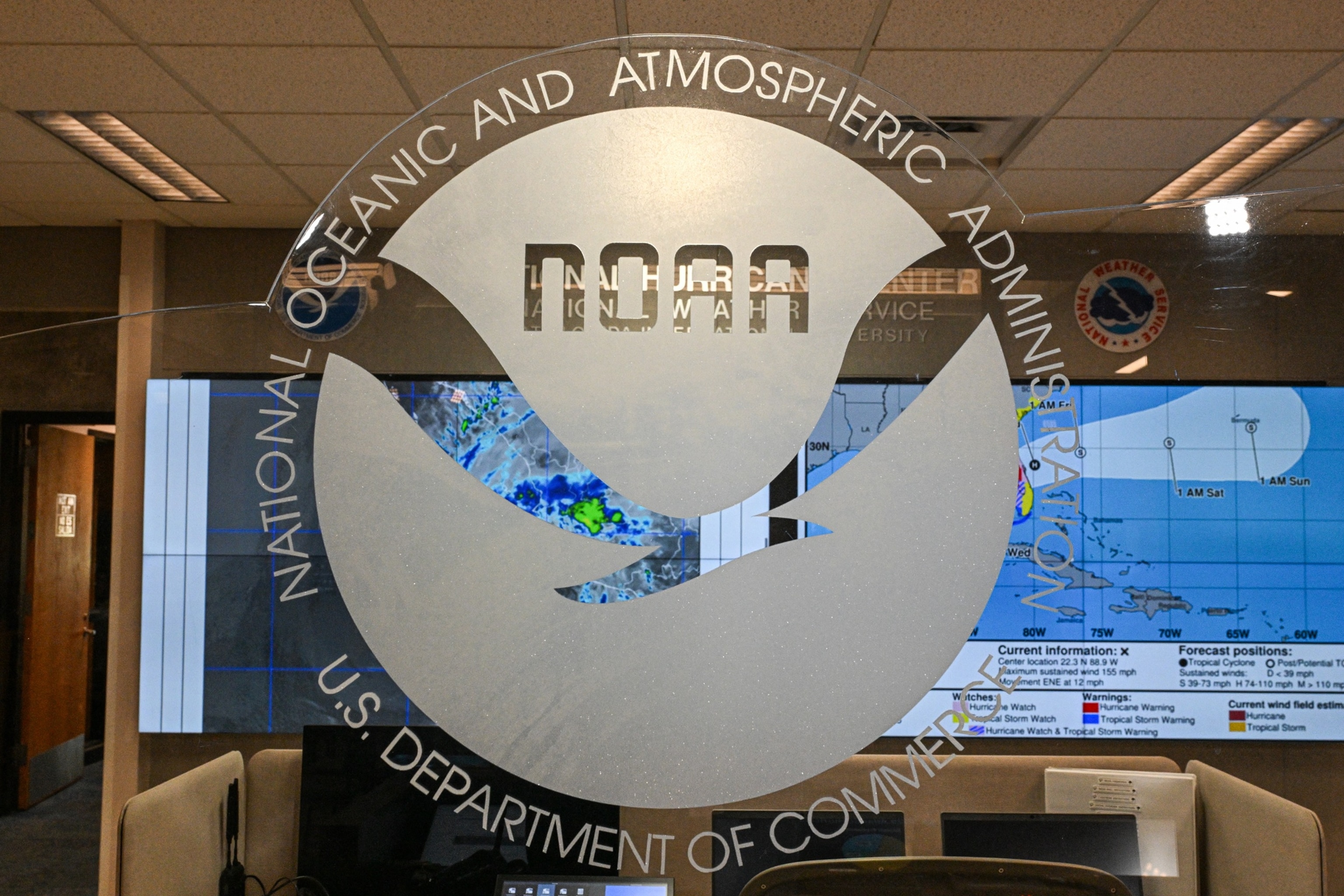
Bipartisan Efforts to Protect NOAA and the National Weather Service
Lawmakers from both political parties have shown strong resistance to significant budget cuts proposed by the Trump administration for the National Oceanic and Atmospheric Administration (NOAA). This pushback has been evident during recent committee meetings, especially in key appropriations markup sessions. The focus has remained on maintaining a fully staffed National Weather Service (NWS), which plays a crucial role in protecting lives and property through accurate weather forecasts and warnings.
The House and Senate are currently working on their respective spending bills for fiscal year 2026, which will begin on October 1. While these bills are still in the early stages of the legislative process, initial drafts indicate that there is bipartisan support against the drastic reductions outlined in the administration’s budget proposal. These cuts include a 25% reduction in NOAA’s overall funding, which would eliminate its research division, the Office of Oceanic and Atmospheric Research (OAR), and significantly reduce funds for other critical offices like the National Centers for Environmental Information (NCEI).
The Trump administration’s budget proposal stated that it would eliminate all funding for climate, weather, and ocean laboratories, as well as several cooperative institutes. It also suggested not funding regional climate data programs or certain research initiatives, such as the National Sea Grant College Program and the National Oceanographic Partnership Program.
In contrast, the House Appropriations Subcommittee on Commerce, Justice, Science and Related Agencies advanced a spending bill with bipartisan support last week. This bill would fund NOAA at levels mostly consistent with previous years, providing roughly $5.8 billion for 2026—a 6% decrease from the previous year. However, it restores most of the funding for NOAA's Operations, Research and Facilities (ORF) account, which includes OAR. This means many critical research labs and climate institutes could avoid potential cuts.
During a markup session on July 15, Subcommittee Chairman Hal Rogers, R-Ky., emphasized the importance of adequately funding the National Weather Service. He highlighted the recent devastation caused by flooding across the country, including in Kentucky and Texas, and stressed the need for sufficient resources to protect citizens.
Ranking Democrat Rosa DeLauro, D-Conn., voiced concerns about the proposed NOAA budget and recent staffing issues at the NWS. She argued that weather forecasts are essential and not a form of waste. She also referenced concerns raised by Connecticut’s state emergency management director, who warned that underfunding the NWS could lead to catastrophic consequences.
The Senate’s version of the bill allocates approximately $6.14 billion to NOAA for fiscal year 2026, slightly below the 2025 level. Despite this, the Senate Committee on Appropriations voted to increase funding for the ORF account by $68.7 million. This boost could provide more resources for key offices like OAR, NWS, and NESDIS (National Environmental Satellite, Data, and Information Service).
The Senate bill explicitly supports NOAA’s mission, including weather and climate research. It states that the Committee strongly supports Climate Laboratories and Cooperative Institutes for their role in delivering high-quality weather information and driving economic benefits. The bill also addresses staffing concerns at local NWS offices and provides additional funding to ensure full staffing.
While introducing the bill, Jerry Moran, R-Kan., chairman of the Senate Appropriations Subcommittee on Commerce, Science and Justice, emphasized the importance of NOAA, particularly the NWS. However, Brian Schatz, D-Hawaii, raised concerns about the bill giving too much discretion to the Office of Management and Budget (OMB) regarding staffing levels. An amendment to maintain staffing levels at 2024 levels was rejected along party lines.
Proposed Cuts and Their Impact
The Trump administration’s budget proposal calls for eliminating the Office of Oceanic and Atmospheric Research (OAR) as a NOAA Line Office, transferring some of its functions to the National Weather Service and the National Ocean Service. OAR leads NOAA's weather and climate research and develops many of the forecasting tools used by meteorologists.
The proposed budget would also shut down NOAA's nationwide network of research labs and cooperative institutes. For example, the Global Systems Laboratory in Boulder, Colorado, developed the High-Resolution Rapid Refresh (HRRR) model, which is vital for tracking severe weather events. The Global Monitoring Laboratory in Boulder oversees operations at Mauna Loa Observatory, which has provided continuous atmospheric carbon dioxide measurements critical to understanding climate change.
NOAA's Atlantic Oceanographic and Meteorological Laboratory (AOML) in Miami, Florida, plays a key role in hurricane forecasting. Its models have significantly improved forecast accuracy, as seen in the record-breaking performance of the National Hurricane Center in 2024.
Leadership and Future Challenges
Earlier this month, Dr. Neil Jacobs, President Donald Trump's nominee to head NOAA, expressed support for the administration’s budget proposal. He argued that the reductions could be achieved by shifting work from research to operations without impacting "mission essential functions." Jacobs also pledged to prioritize staffing the weather service offices if confirmed.
NOAA's 2025 budget costs Americans less than $20 per person. ABC News reached out to NOAA for comment but did not receive an immediate response.

Post a Comment for "Congressional Committees Resist Trump's NOAA Budget Cuts"
Post a Comment