Congress Orders Ghislaine Maxwell to Testify from Florida Prison
The Ongoing Effort to Uncover the Truth Behind Jeffrey Epstein’s Network
The investigation into Jeffrey Epstein's secretive sex trafficking network is gaining momentum, with new developments on both legal and political fronts. These efforts aim to uncover what really happened during the years when Epstein operated under the radar, and who may have been involved in facilitating his crimes.
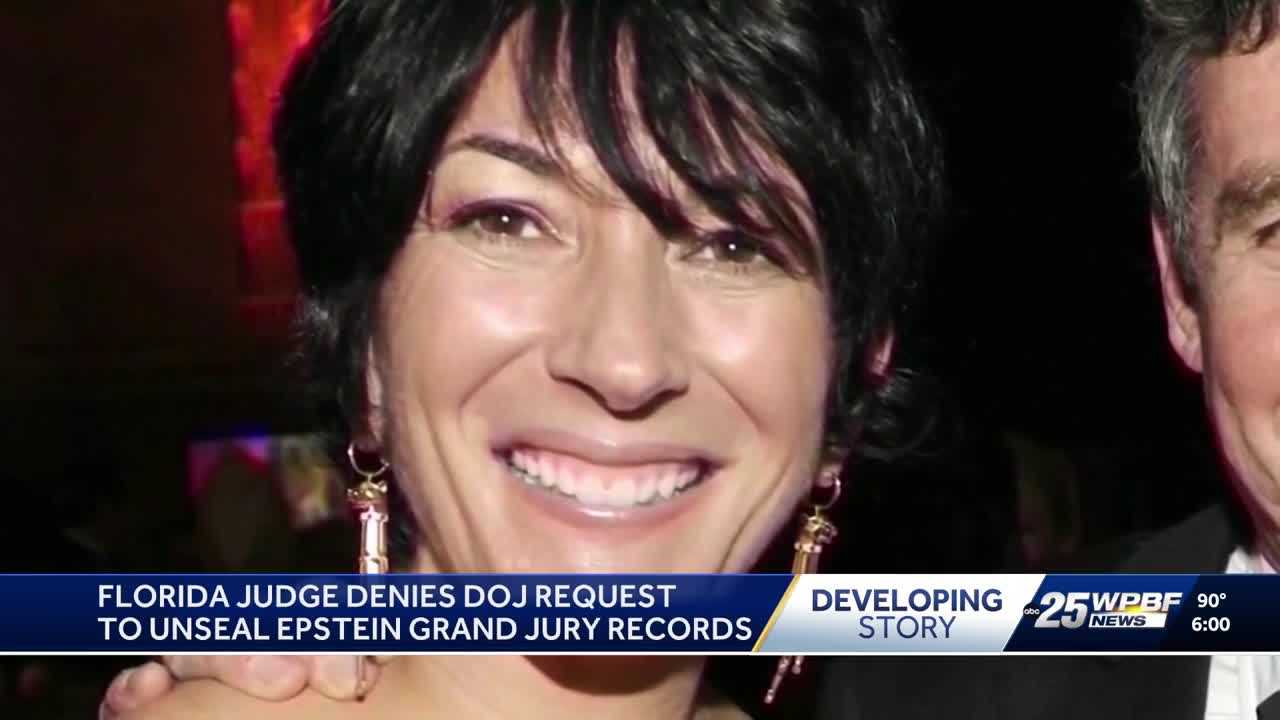
One significant legal move came when a federal judge in West Palm Beach denied the Justice Department’s request to unseal grand jury records from 2005 to 2007. These documents could have provided crucial insight into why Epstein was allowed to avoid federal charges through a controversial plea deal. The decision highlights the challenges of accessing sensitive information that might reveal the full scope of the case.
However, a dramatic shift has occurred in the political arena. Congress has issued a subpoena for Ghislaine Maxwell to testify while she is in prison. This marks a major step forward in the pursuit of answers about Epstein's operations and the individuals who may have aided him.
Congressional Subpoena for Ghislaine Maxwell
House Oversight Committee Chairman James Comer, R-Kentucky, issued the subpoena, requiring Maxwell to appear for a deposition on August 11 at FCI Tallahassee, where she is serving a 20-year sentence. The Department of Justice has agreed to assist in facilitating this interview.
This development comes amid growing calls for transparency around the so-called "Epstein files." The committee believes Maxwell’s testimony could offer critical information about how the government handled sex trafficking cases and potentially reveal the identities of Epstein’s clients.
In a letter, Comer emphasized that the committee seeks Maxwell’s sworn testimony “to inform the consideration of potential legislative solutions to improve federal efforts to combat sex trafficking and reform the use of non-prosecution agreements.”
Legal Challenges and Previous Attempts
The effort to access grand jury materials has faced numerous obstacles. Judge Robin Rosenberg recently rejected the DOJ’s motion to release the Florida grand jury materials, stating that the government had not met the “strict exceptions” required to unseal such records. This is a high hurdle, as seen in previous attempts to obtain these documents.
Last year, the only way the public gained access to the actual 2007 grand jury transcripts was due to frustration among Florida lawmakers, who passed a specific law just for this one Epstein case. Those transcripts revealed that Palm Beach County prosecutors called only two teenage victims to testify and treated them like suspects.
The DOJ was not only seeking the transcripts but also wanted access to secret internal memos and files related to the investigation and the deal. However, Maxwell’s congressional deposition may provide an alternative path to obtaining the long-sought answers.
Potential Outcomes and Concerns
Maxwell’s lawyer has stated that she will tell the truth to the DOJ interviewer. However, there is a possibility that she may need to invoke the Fifth Amendment if the interview takes an unfavorable turn. Despite this, Maxwell is expected to appear for the deposition on August 11.
This latest development underscores the ongoing efforts to bring transparency to one of the most complex and troubling cases in recent American history. As the legal and political fronts continue to push for accountability, the hope remains that the truth about Epstein’s network will finally come to light.

Post a Comment for "Congress Orders Ghislaine Maxwell to Testify from Florida Prison"
Post a Comment