Columbia's Trump Deal Safeguards Admission and Speech Autonomy
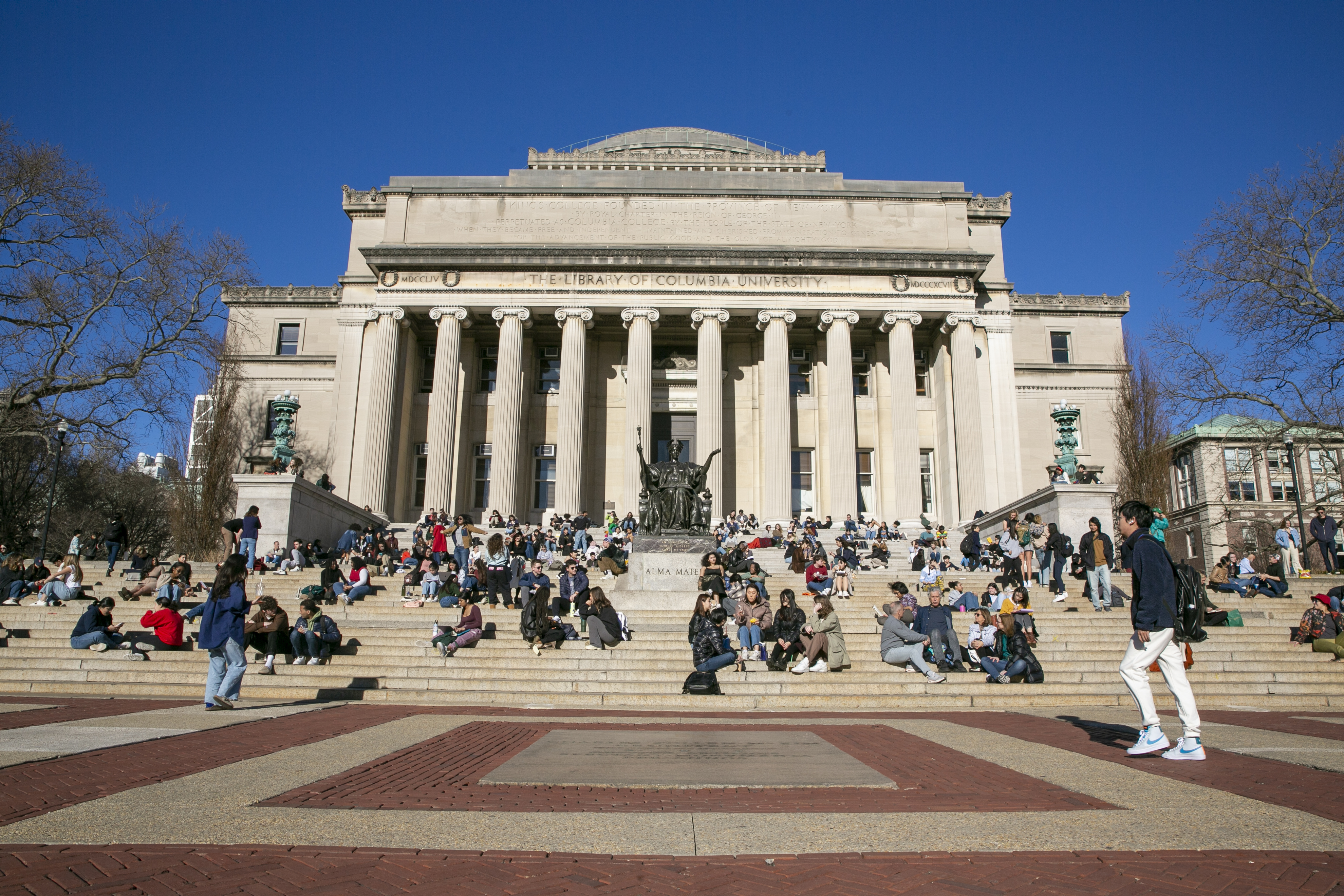
Resolution of Dispute Over Federal Funding at Columbia University
Columbia University and the Trump administration have reached a significant agreement to resolve a prolonged dispute over federal research funding. This resolution has positioned the Ivy League university as a focal point in the White House's broader initiative to influence cultural changes within higher education across the country.
The deal, announced on Wednesday evening, involves Columbia paying the federal government $200 million to settle claims related to discriminatory practices. Additionally, the university will pay $21 million to address investigations by the U.S. Equal Employment Opportunity Commission. The agreement also introduces external oversight mechanisms for the university.
Importantly, this settlement reinstates most of the $400 million in research grants that had been frozen by the government. It also restores the school’s eligibility to receive future federal funding and concludes ongoing investigations into the institution.
A key component of the 22-page agreement is the assurance that the government will not interfere with Columbia’s admissions decisions, hiring processes, or academic speech. This provision was crucial for the university, which aimed to maintain its commitment to academic freedom despite intense federal pressure.
Columbia is required to make the first payment of $200 million within the week, as outlined in the terms of the deal. An administrator will be designated to oversee compliance, reporting to an external resolution monitor. This monitor's role is to ensure that the university's programs do not promote unlawful diversity, equity, and inclusion (DEI) goals. The university must also provide detailed data on admitted and rejected students, categorized by race, grade point average, and standardized test scores.
The agreement mandates that Columbia review its admissions policy for international students, ensuring that applicants are asked why they wish to study in the United States. Earlier this year, U.S. Immigration and Customs Enforcement agents detained some international students who were vocal pro-Palestinian advocates at Columbia. Administration officials have stated that "pro-Hamas" and "radical" students should be deported.
Additionally, the agreement requires Columbia to reduce its reliance on international student enrollment. With over 20,000 foreign students enrolled in the 2023-2024 academic year, the university has one of the highest numbers of international students in the country.
The negotiations with Columbia were closely watched, as the Trump administration has used the full force of the federal government to push for change at colleges nationwide. This agreement comes as Harvard University continues its legal challenges against the administration.
Education Secretary Linda McMahon described the deal as a roadmap for elite universities seeking to regain public trust and emphasized it as a "seismic shift in our nation’s fight to hold institutions that accept American taxpayer dollars accountable."
Claire Shipman, Columbia University’s acting president, noted that the agreement restores the majority of the $400 million in federal research funding paused earlier this year. She highlighted that the deal preserves the university's autonomy over faculty hiring, admissions, and academic decision-making.
Columbia does not admit to wrongdoing but acknowledges the need for reform following incidents involving Jewish students and faculty. A senior White House official stated that the agreement ensures Columbia will not engage in unlawful racial discrimination in hiring, admissions, or university programming.
The agreement includes provisions for regular reports to an independent monitor, reinforcing Columbia’s commitment to transparency and institutional accountability. Shipman also mentioned that the university faced the potential loss of top scientists, which could jeopardize its status as a leading research institution.
The agreement also incorporates changes already implemented by the university, such as stricter enforcement of protest rules and shifting disciplinary authority to another part of the institution. Recently, more than 70 students were disciplined for their involvement in a May protest at a university library.
The board of trustees co-chairs, David Greenwald and Jeh Johnson, affirmed Columbia’s commitment to academic freedom, freedom of expression, and open inquiry. They stated that the agreement confirms ongoing efforts to address antisemitism on campus and allows the university to continue its transformative research and scholarship.
However, some faculty members have raised concerns about the agreement. Michael Thaddeus, a professor of mathematics and acting president of the Columbia chapter of the American Association of University Professors, expressed worries that the monitor’s scrutiny of admissions data and Middle Eastern studies department could threaten academic freedom.
For months, Columbia has been a target of the Trump administration’s efforts to push universities to adopt its agenda on issues including antisemitism and diversity initiatives. In March, the education secretary announced the cancellation of $400 million in federal research funding over alleged failures to protect Jewish students from discrimination.
This past academic year saw several protests over the Israel-Gaza war, with encampments and disruptions that sparked similar demonstrations at other colleges. While the current academic year has been calmer, recent incidents involving masked protesters and disruptive demonstrations have continued to draw attention.
The Trump administration’s antisemitism task force praised Columbia’s response to these incidents, but the university’s research funding remained frozen. Shipman emphasized the importance of restoring the research partnership with the federal government while maintaining the university’s autonomy.
Columbia is among dozens of schools targeted by the Trump administration as it seeks to reshape campus culture, including university hiring practices, admissions, and penalties for antisemitism. The administration has frozen billions of dollars in federal research funding at several high-profile schools, including more than $2 billion at Harvard, which has responded with two lawsuits.
The settlement comes as Trump and his allies exert pressure on powerful institutions, often achieving significant concessions. Since winning a second term, Trump and his administration have struck deals or reached settlements with media companies, social media titans, and prominent law firms.
Brian Cohen, the Lavine Family executive director at the Kraft Center for Jewish Student Life at Columbia/Barnard Hillel, welcomed the announcement of the Columbia agreement. He acknowledged the impact of antisemitism on Jewish students’ sense of safety and belonging and expressed hope that the agreement marks the beginning of real, sustained change.

Post a Comment for "Columbia's Trump Deal Safeguards Admission and Speech Autonomy"
Post a Comment