Columbia University to Pay Over $220M in Trump Deal to Restore Federal Funding
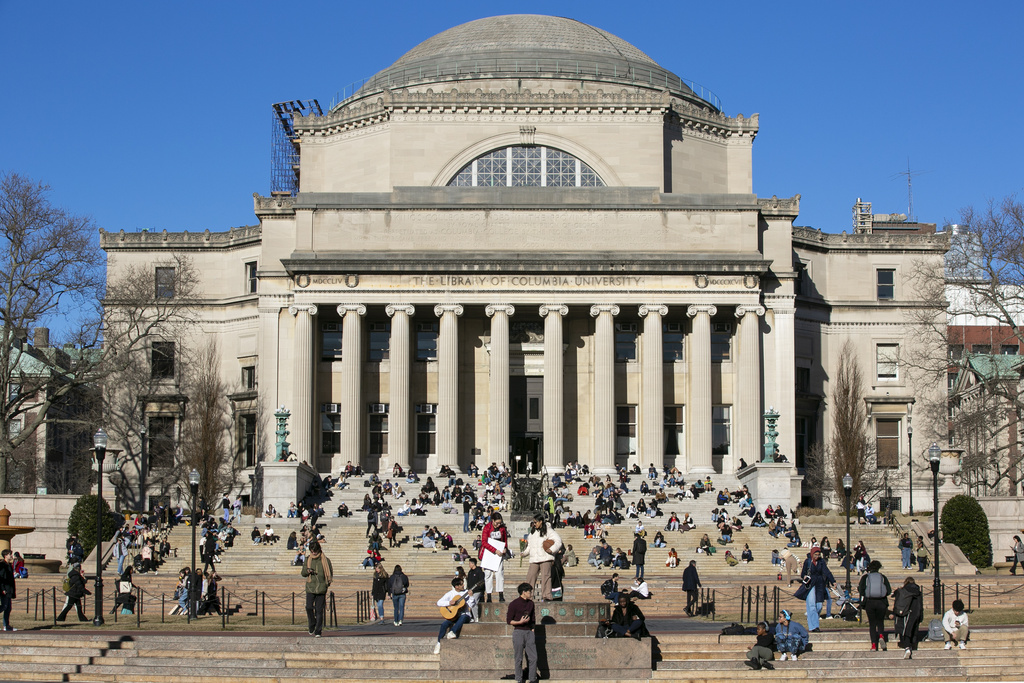
Columbia University Settles with Federal Government Over Antisemitism Concerns
Columbia University has reached a significant agreement with the federal government, committing to pay over $220 million to restore lost research funding and address concerns related to antisemitism on campus. This settlement comes after months of intense scrutiny and negotiations between the university and the Trump administration.
Under the terms of the deal, Columbia will pay a $200 million settlement over three years and an additional $21 million to resolve allegations of civil rights violations against Jewish employees following the October 7, 2023, Hamas attack on Israel. The agreement does not include an admission of wrongdoing, but it outlines several reforms that the university must implement.
Acting University President Claire Shipman emphasized that this agreement represents a critical step forward for the institution, which had faced the potential loss of billions in federal support. The administration had previously canceled more than $400 million in grants, citing the university’s failure to adequately address antisemitism during the Israel-Hamas war.
Key Reforms and Requirements
As part of the agreement, Columbia has agreed to a series of changes, including overhauling its student disciplinary process and adopting a federally endorsed definition of antisemitism. This definition will apply not only to teaching but also to disciplinary committees investigating students who express critical views of Israel.
The university also pledged to review its Middle East curriculum to ensure it is “comprehensive and balanced” and to appoint new faculty members to its Institute for Israel and Jewish Studies. Additionally, Columbia committed to ending programs that promote unlawful efforts to achieve race-based outcomes, diversity targets, or similar initiatives.
A report must be submitted to a monitor to confirm that the university’s programs do not promote unlawful DEI (diversity, equity, and inclusion) goals. This requirement is part of a broader effort by the administration to hold institutions accountable for how they use taxpayer dollars.
Impact on Campus Policies
President Donald Trump praised the agreement, stating that Columbia had committed to ending “ridiculous DEI policies” and admitting students based solely on merit. He also warned that other higher education institutions may face similar scrutiny if they fail to meet federal expectations.
The agreement also includes provisions that require Columbia to ask prospective international students questions about their reasons for studying in the United States. This move aims to ensure all students are committed to “civil discourse.” Furthermore, the university has agreed to provide the government with information about disciplinary actions involving student-visa holders, potentially making it easier for the Trump administration to deport students involved in protests.
In recent months, Columbia has taken action against students involved in pro-Palestinian demonstrations. The university announced it would suspend, expel, or revoke degrees from over 70 students who participated in a protest inside the main library in May and an encampment during alumni weekend last year.
Broader Implications for Higher Education
The pressure on Columbia began with funding cuts, followed by the detention of Mahmoud Khalil, a former graduate student and visible figure in the protests. This marked the first instance of the Trump administration targeting pro-Palestinian activists for deportation.
Subsequent searches of university residences were conducted as part of a federal Justice Department investigation into whether Columbia concealed “illegal aliens” on campus. At the time, the interim president stated the university was committed to upholding the law.
Columbia served as a test case for the Trump administration’s efforts to increase oversight of universities perceived as liberal strongholds. However, the focus soon shifted to Harvard University, which became the first institution to challenge the administration in court.
Federal Funding as a Tool for Change
The Trump administration has used federal research funding as a primary lever to reshape higher education. Over $2 billion in funding has been frozen at several prestigious universities, including Cornell, Northwestern, Brown, and Princeton.
In March, the administration pulled $175 million from the University of Pennsylvania over a dispute regarding women’s sports. The funds were restored after the university agreed to update records involving transgender swimmer Lia Thomas and revise its policies.
The administration’s influence extends beyond private universities. University of Virginia President James Ryan resigned in June under pressure from a U.S. Justice Department investigation into diversity, equity, and inclusion practices. A similar investigation was launched this month at George Mason University.
This ongoing campaign highlights the administration’s broader goal of reshaping higher education to align with its vision of accountability, merit, and civil discourse.

Post a Comment for "Columbia University to Pay Over $220M in Trump Deal to Restore Federal Funding"
Post a Comment