Columbia to Pay $220M in Deal with Trump Admin to Restore Federal Funds
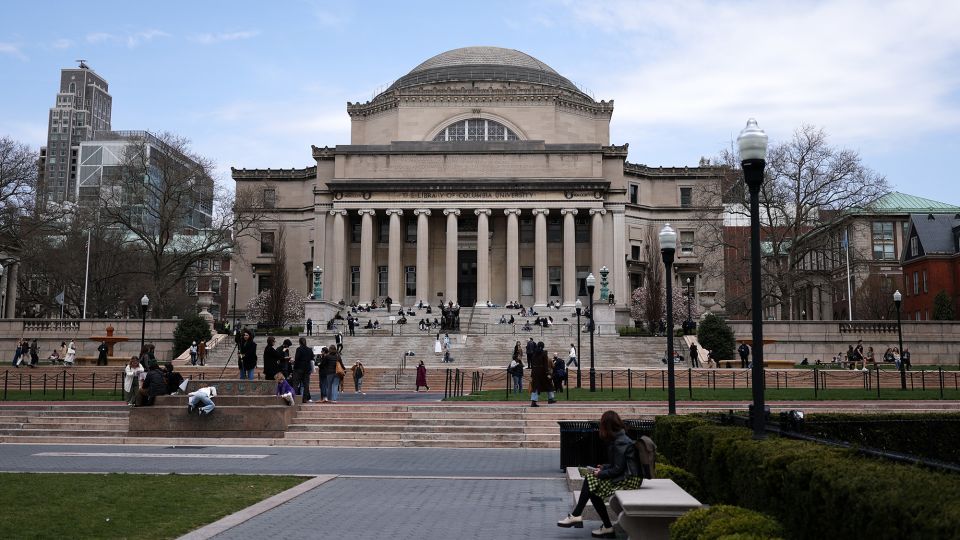
Columbia University and the Trump Administration Reach Landmark Agreement
Columbia University has reached a significant agreement with the Trump administration, marking a pivotal moment in its ongoing dispute over federal funding. This deal comes after months of negotiations and is seen as a major shift in how the administration addresses concerns about discrimination and campus policies at elite universities.
Under the terms of the agreement, Columbia did not admit to any wrongdoing but agreed to pay a $200 million settlement over three years and an additional $21 million to resolve investigations by the U.S. Equal Employment Opportunity Commission (EEOC). In exchange, the university will see a majority of its previously frozen or paused federal grants reinstated, restoring access to billions of dollars in current and future funding.
The agreement also includes policy changes that Columbia announced in March following the revocation of $400 million in federal funding due to campus protests. These changes include restrictions on demonstrations, new disciplinary procedures, and an immediate review of its Middle East curriculum. The university emphasized that while it does not accept responsibility for the allegations, it acknowledges the need for reform to address incidents involving Jewish students and faculty.
An independent monitor will oversee the implementation of the agreement, ensuring compliance with the new policies. Acting University President Claire Shipman described the settlement as a way to protect the values of the institution and restore its essential research partnership with the federal government. She stressed the importance of maintaining independence, which she said is critical for academic excellence and scholarly exploration.
The agreement requires Columbia to provide the Trump administration with access to all relevant data and information to assess compliance with commitments related to merit-based hiring and admissions. It also mandates a comprehensive review of the university’s programs, particularly those related to the Middle East. Additionally, the school will review its admissions process and strengthen oversight of international students, including assessing applicants’ reasons for studying in the U.S. and sharing relevant data with the federal government.
President Donald Trump celebrated the agreement on Truth Social, thanking Education Secretary Linda McMahon and commending Columbia for making the right decision. He also hinted that other higher education institutions may face similar challenges if they do not comply with federal expectations.
Financial Pressures and Institutional Stability
Shipman highlighted the financial pressures facing Columbia beyond the $400 million funding freeze. She noted that the majority of the university's $1.3 billion annual federal funding was placed on hold, creating uncertainty about its status as a leading research institution. The potential loss of top scientists and researchers posed a serious threat to the university's reputation and mission.
In her first interview since the deal was announced, Shipman framed the funding freeze as an existential threat that required immediate resolution. She described the agreement as a responsible path forward, allowing the university to move past a period of instability. Shipman defended the decision against accusations of capitulation, emphasizing that the choice to negotiate was complex and necessary.
She explained that while legal action was considered, the risk of long-term damage to the university's relationship with the federal government was too great. Shipman acknowledged the difficulty of the process, calling it a "reset" for Columbia's relationship with the federal government. She described the negotiations as extensive and detailed, taking longer than anticipated.
A Blueprint for Other Universities
The Trump administration views the agreement as a potential blueprint for other elite universities. Education Secretary Linda McMahon praised the outcome as a “seismic shift” in holding institutions accountable for antisemitic discrimination and harassment. She suggested that the reforms could serve as a roadmap for other schools seeking to regain public confidence through renewed commitment to truth-seeking, merit, and civil debate.
Elite universities like Columbia and Harvard have faced intense pressure from the administration to address antisemitism on their campuses. This effort is part of a broader push for policy changes at universities, including issues related to Diversity, Equity, and Inclusion. However, the approach raises questions about academic freedom and the role of the federal government in campus affairs.
The $21 million settlement with the EEOC is the largest employment-discrimination public settlement in nearly 20 years. It aims to resolve alleged civil rights violations against Jewish employees following the October 7, 2023, Hamas attacks. The $200 million settlement will go to the U.S. Treasury, with plans to allocate the funds toward trade schools and apprenticeships.
Reactions and Future Implications
The agreement received support from the school’s Hillel organization, which acknowledged the real impact of antisemitism on Jewish students. Brian Cohen, executive director of Columbia/Barnard Hillel, expressed hope that the agreement would lead to sustained change and improved safety for Jewish students.
The deal marks a turning point for Columbia University and sets a precedent for other institutions navigating similar challenges. As the university moves forward, the focus will be on implementing the new policies and rebuilding trust with both the federal government and the broader community.

Post a Comment for "Columbia to Pay $220M in Deal with Trump Admin to Restore Federal Funds"
Post a Comment