Colorado Advocates Sue Trump Admin Over Federal Grant Restrictions
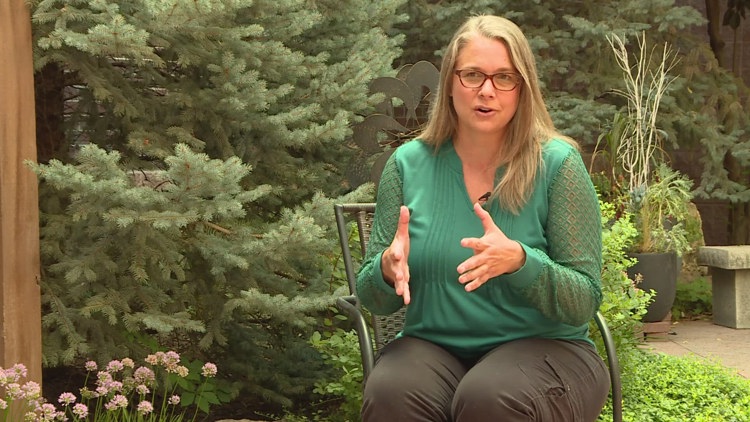
New Restrictions on Grant Funding for Domestic Violence and Sexual Assault Services
Domestic violence and sexual assault service providers are facing a difficult dilemma as new federal rules have been introduced, limiting the types of individuals they can assist if they accept grant funding. These restrictions have placed many organizations in a challenging position, forcing them to choose between accepting financial support that comes with strict conditions or refusing the funding and potentially jeopardizing their ability to provide essential services to survivors.
The Colorado Coalition Against Sexual Assault (CCASA) is among several nonprofits nationwide that have decided to take legal action against these new regulations. They argue that the requirements imposed by the federal government are overly restrictive and could undermine the effectiveness of their programs. By accepting the grants, service providers may be forced to alter their approaches, which could result in fewer people receiving the help they need.
The Impact of Federal Grant Conditions
Many domestic violence and sexual assault service providers depend heavily on federal grants to operate. These funds are crucial for maintaining shelters, counseling services, legal assistance, and other vital resources for survivors. However, the recent changes in eligibility criteria mean that some individuals who have experienced abuse or assault may no longer qualify for assistance if they do not meet specific guidelines set by the government.
This situation has created a conflict for organizations like CCASA, which believe that their mission should be to support all survivors regardless of their background or circumstances. Accepting the grants could require them to implement policies that exclude certain groups, while declining the funding might lead to a reduction in services or even the closure of critical programs.
Legal Challenges and Advocacy Efforts
In response to these concerns, CCASA and other advocacy groups have filed lawsuits to challenge the new rules. They claim that the restrictions violate the principles of inclusivity and accessibility that should guide all efforts to support survivors of domestic violence and sexual assault. These organizations argue that the federal government should not dictate how services are delivered, especially when it comes to protecting vulnerable populations.
The legal battle highlights broader issues surrounding the balance between federal oversight and the autonomy of local service providers. Advocates emphasize that the best way to address domestic violence and sexual assault is through comprehensive, flexible, and survivor-centered approaches. They believe that imposing rigid conditions on grant funding could hinder the ability of organizations to respond effectively to the diverse needs of those they serve.
The Broader Implications
The debate over these new rules extends beyond individual organizations and touches on larger policy questions about the role of federal funding in social services. Critics argue that the restrictions could create a two-tiered system where only certain survivors receive help, while others are left without support. This could disproportionately affect marginalized communities, including LGBTQ+ individuals, immigrants, and people of color, who often face additional barriers when seeking assistance.
As the legal challenges continue, the outcome could have far-reaching consequences for the future of domestic violence and sexual assault services across the country. For now, organizations like CCASA remain committed to advocating for policies that prioritize the safety and well-being of all survivors, regardless of the funding constraints they may face.

Post a Comment for "Colorado Advocates Sue Trump Admin Over Federal Grant Restrictions"
Post a Comment