Coffee Co. Man Wrongly Accused in Judge Bombing Dies
A Tragic Story of Wrongful Accusation and Unanswered Justice
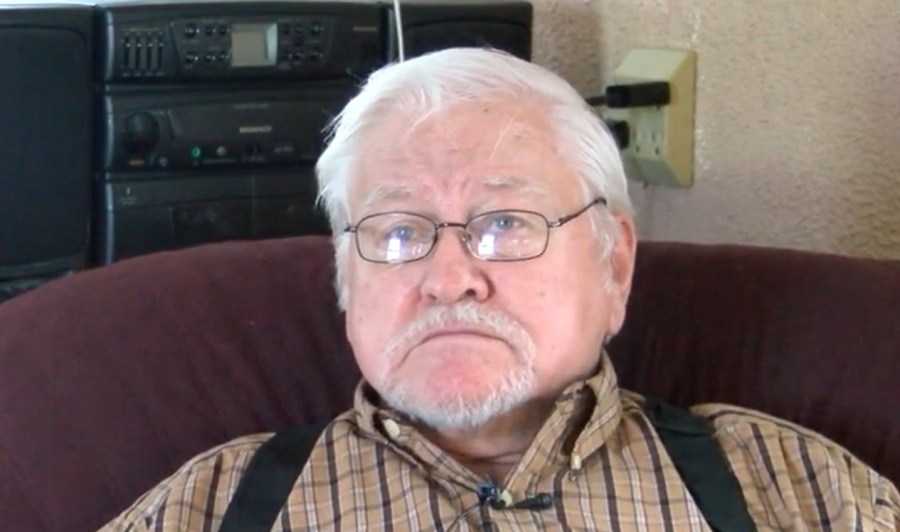
Robert Wayne O’Ferrell, a man who once faced the weight of the world after being wrongly accused of sending deadly package bombs, has passed away. He was 81 years old when he died in Coffee County on July 25. His death marks the end of a life that was deeply impacted by one of the most infamous cases in American legal history.
O’Ferrell was falsely implicated in the 1989 bombings that claimed the lives of two prominent figures: Judge Robert Vance and attorney Robert Robertson. The tragic events began on December 16, 1989, when a bomb exploded at Judge Vance’s home in Mountain Brook, Alabama. The blast not only killed him but also injured his wife, Helen. Just days later, another bomb detonated in Savannah, Georgia, taking the life of civil rights lawyer Robert Robertson. Additional bombs were sent to locations in Atlanta and Jacksonville, but authorities managed to safely detonate them before they could cause harm.
The case quickly became a national sensation, drawing attention from media outlets across the country. O’Ferrell, who owned a typewriter shop in Enterprise, became the primary suspect due to a letter allegedly typed on a machine similar to one he sold. The typewriter had a unique feature—a misplaced A key—which matched the typewritten threats and labels found on the bomb packages. This connection led the FBI to investigate him extensively, leading to raids on his business and home, as well as constant surveillance of him and his family.
Despite these intense investigations, it wasn’t until several years later that the real perpetrator, Walter Leroy Moody, was arrested and eventually executed in 2018 for his role in the bombings. This revelation proved O’Ferrell's innocence, but the damage had already been done.
O’Ferrell’s attorney, William Gill, expressed deep frustration over the lack of acknowledgment or compensation from the federal government for the suffering O’Ferrell endured. “He loved America and was a real patriotic man—yet he never received an apology or compensation for what the FBI and other federal law enforcement put him and his family through,” Gill said.
During a 2020 interview, O’Ferrell shared his experiences with the media, describing how the FBI treated him during the investigation. He recalled being forced to empty his wallet, having his belongings searched, and feeling completely violated. “They fingered printed me; they took pictures of me,” he said. “It was ridiculous.”
O’Ferrell continued to seek justice even after the truth came out. He wrote numerous letters to government officials, including President Donald Trump, hoping for some form of recognition or redress. However, despite his efforts, the federal government never offered an apology or financial compensation for the trauma he and his family experienced.
His story serves as a powerful reminder of the importance of due process and the potential consequences of wrongful accusations. While the truth eventually came to light, the emotional and psychological toll on O’Ferrell and his family remains a painful chapter in American history. His passing leaves behind a legacy of resilience and a call for greater accountability in the justice system.

Post a Comment for "Coffee Co. Man Wrongly Accused in Judge Bombing Dies"
Post a Comment