Coast Guard report reveals failures behind OceanGate Titan disaster
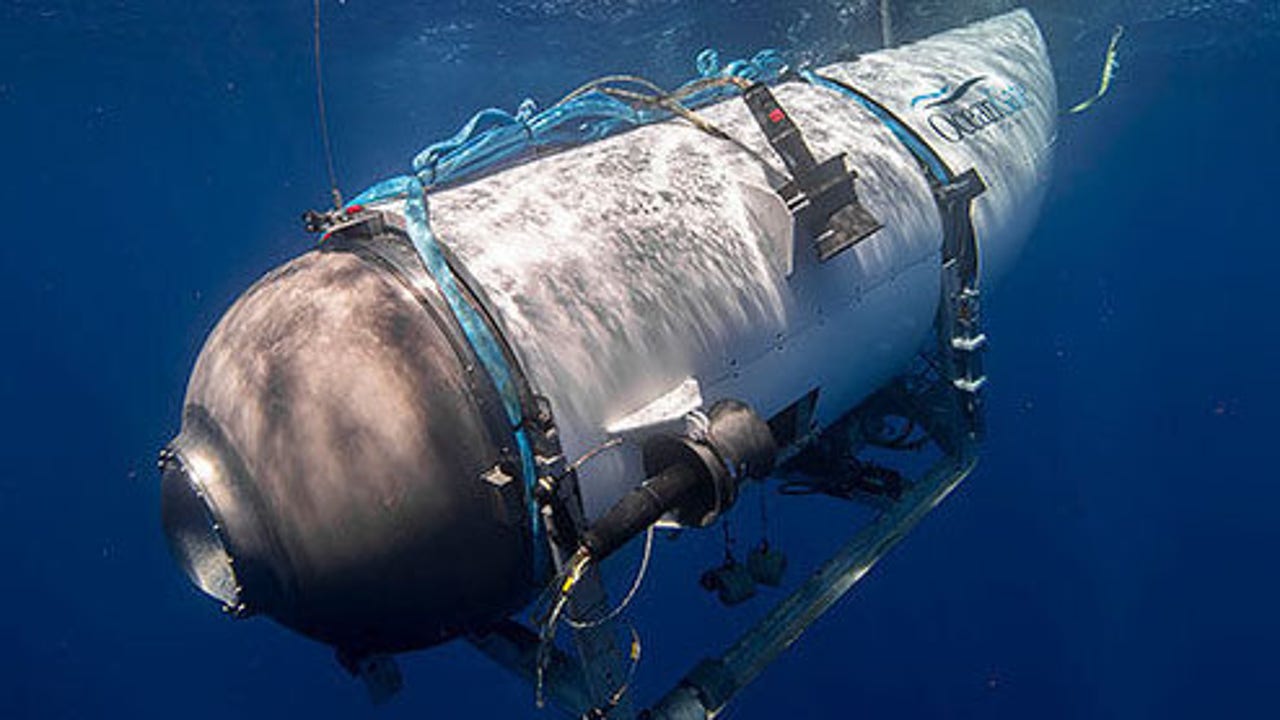
U.S. Coast Guard Report Highlights Preventable Submersible Implosion
A recent report from the U.S. Coast Guard has revealed that the implosion of the OceanGate Titan submersible in June 2023 was preventable due to significant design flaws and safety oversights. The incident, which resulted in the deaths of OceanGate CEO Stockton Rush and four other passengers, has sparked calls for stricter regulations within the submersible industry.
The investigation, conducted by the U.S. Coast Guard’s Marine Board of Investigation, concluded that the tragedy could have been avoided if proper safety protocols had been followed. The report highlights the role of Stockton Rush in ignoring warnings and regulations, ultimately leading to the catastrophic failure of the submersible during a deep-sea expedition to the Titanic wreckage.
Key Findings of the Investigation
The report, which spans 335 pages, was developed over two years by a team of investigators and engineers. It outlines several critical failures that contributed to the implosion. According to Jason Neubauer, chair of the Marine Board of Investigation, the submersible's design was fundamentally flawed.
"The main cylinder hull was five layers of carbon fiber that were one inch thick each and those layers were glued together," explained Neubauer. "Between the first and second layer, we’re confident from the review of the debris, that the glue failed. So, the layers were free from each other."
At the extreme depths where the Titan was operating, the pressure exerted on the submersible was nearly 5,000 pounds per square inch. This immense pressure caused the structure to fail, resulting in the immediate deaths of all aboard.
Safety Oversights and Lack of Oversight
In addition to the design issues, the report also pointed out a lack of maintenance, inspections, and proper certification for the Titan. The submersible was not registered with any state, a critical step in tracking and overseeing commercial vessels.
"We call it 'flagging the vessel' so we can track it, somebody who’s responsible for it. That didn’t occur in this case. And I think it was intentional," said Neubauer.
The report also noted that OceanGate had claimed to monitor real-time data to ensure the safety of the vessel. However, these commitments were not upheld, as stated by the investigation.
Legal and Regulatory Implications
If Stockton Rush were alive, he could have faced criminal charges from the U.S. Department of Justice for his disregard for safety. The incident has led to multiple lawsuits against OceanGate, including claims of wrongful death and negligence. One family of a passenger killed in the disaster has filed a lawsuit seeking over $50 million in damages.
OceanGate, while still technically registered as a business, is no longer actively operating. The company's website states that all operations have been suspended.
Calls for Stricter Regulations
The U.S. Coast Guard has recommended increased regulations and stronger oversight within the submersible expedition industry to prevent similar disasters in the future. Neubauer emphasized the importance of these changes, stating that the families of the victims will always have his condolences.
"I’ve been in contact with the families throughout the process. They will always have my condolences. And I just want them to know even though the report has been issued, I still will be involved in helping to communicate some of those recommendations for the commandant’s approval. And we won’t stop until we see and push for those recommendations."
Conclusion
The implosion of the OceanGate Titan serves as a stark reminder of the importance of rigorous safety standards and oversight in the submersible industry. As the investigation concludes, the focus now shifts to implementing the necessary changes to ensure such a tragedy does not happen again.

Post a Comment for "Coast Guard report reveals failures behind OceanGate Titan disaster"
Post a Comment