Climate Change Fuels Rapidly Intensifying Storms: Hurricane Erin's Warning
The Unpredictable Path of Hurricane Erin
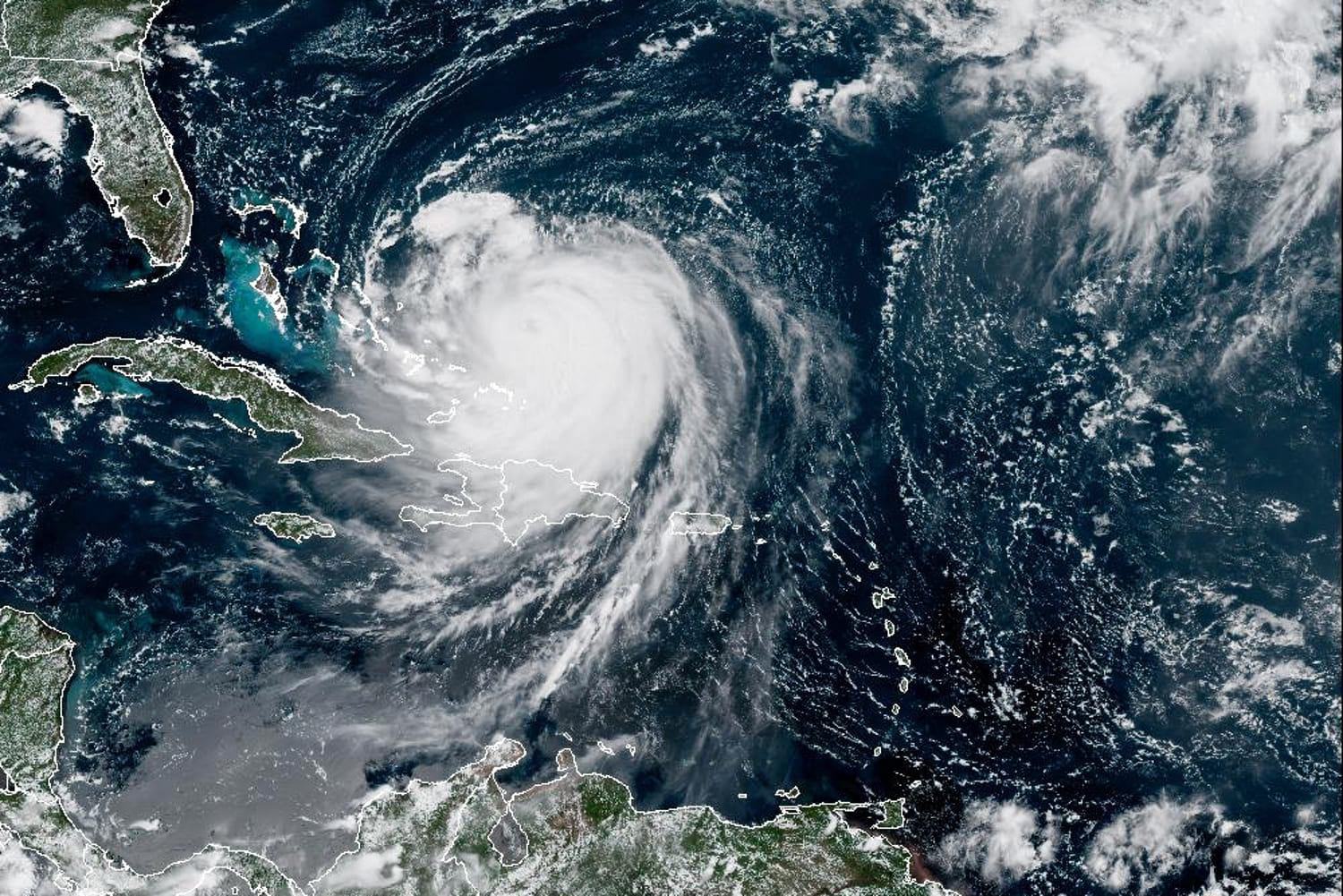
Hurricane Erin has made headlines as it transformed into a Category 4 storm over the weekend, marking another dramatic shift in what has become an unusually fast-changing hurricane. This rapid development places Erin among the fastest-strengthening Atlantic hurricanes on record, highlighting growing concerns about how climate change is influencing storm behavior.
Erin became the first hurricane of the 2024 Atlantic season on Friday and quickly escalated from a Category 1 to a Category 5 storm within just 24 hours. Even after briefly weakening and then re-strengthening to a Category 4, its transformation remains one of the most rapid on record, placing it among the top five storms that have gone from Category 1 to Category 5 in a short time frame.
According to the latest advisory from the National Hurricane Center, Erin is expected to grow larger and gain more strength on Monday as it moves east of the Bahamas. Heavy rainfall is anticipated for parts of Hispaniola on Monday, with continued impacts expected for Turks and Caicos and parts of the southeast and Central Bahamas through Tuesday.
Understanding Rapid Intensification
What has drawn significant attention from experts is the phenomenon of "rapid intensification." This term refers to a situation where a storm’s sustained wind speeds increase by at least 35 mph over a 24-hour period. In Erin’s case, the maximum sustained wind speed increased by approximately 75 mph in just 24 hours, from Friday morning to Saturday.
Climate change is playing a critical role in increasing the likelihood of such rapid intensification. Warmer sea surface temperatures and higher levels of atmospheric moisture are key factors contributing to this trend. These conditions provide the necessary fuel for storms to strengthen quickly.
Erin's path near the Bahamas on Monday will take it over warm waters in the mid-80 degree Fahrenheit range, which could further contribute to its intensification. Additionally, a warmer atmosphere due to global warming holds more moisture, enabling storms to gather strength and produce heavier rainfall when they make landfall.
A Growing Trend in Storm Intensity
A 2023 study published in the journal Scientific Reports found that tropical cyclones in the Atlantic Ocean were about 29% more likely to undergo rapid intensification between 2001 and 2020 compared to the period from 1971 to 1990. This trend is not new but has become increasingly noticeable in recent years.
For example, in 2019, Hurricane Dorian saw its peak winds increase from 150 mph to 185 mph in just nine hours. Hurricane Ian in 2022 underwent two rounds of rapid intensification before making landfall in Florida. Last year, Hurricane Milton experienced an astonishing increase of 90 mph in maximum sustained wind speed over roughly 25 hours.
Other notable examples of rapid intensification include Hurricane Harvey in 2017, Hurricane Laura in 2020, Hurricane Ida in 2021, and Hurricane Idalia in 2023. Despite these documented cases, predicting rapid intensification remains a challenge for scientists. While warm sea surface temperatures, moist air, and favorable atmospheric conditions are known contributors, understanding the exact timing and magnitude of such events requires further research.
Preparing for the Impact
In the coming days, the National Hurricane Center has indicated that Erin will move between Bermuda and the east coast of the United States. Although the storm is not expected to make a direct hit on land, it will generate dangerous swells, life-threatening surf, and rip currents across the Bahamas, Bermuda, the eastern seaboard of the U.S., and Atlantic Canada.
As climate change continues to influence weather patterns, the frequency and intensity of such storms are expected to rise. This underscores the need for improved forecasting, better preparedness, and ongoing research to understand and mitigate the risks associated with rapidly intensifying hurricanes.

Post a Comment for "Climate Change Fuels Rapidly Intensifying Storms: Hurricane Erin's Warning"
Post a Comment