Climate Activists Fume Over Trump's AI Speed-Up Plan
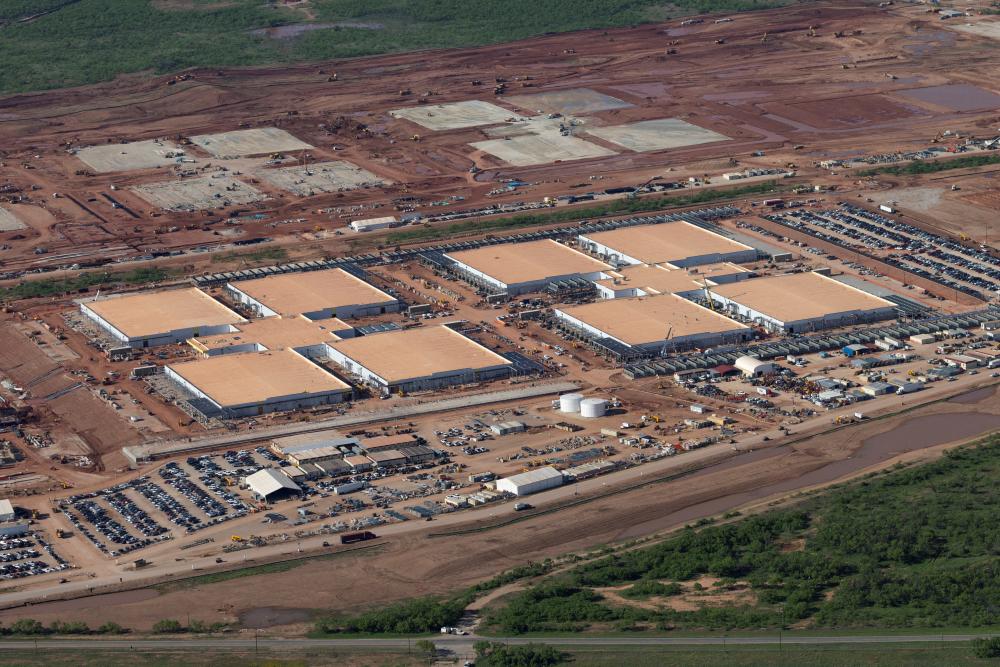
Trump's AI Plan Sparks Controversy Over Environmental Impact
The Trump administration has introduced a new strategy aimed at accelerating the growth of the artificial intelligence (AI) industry, despite concerns from environmental groups about its potential impact on the climate. The 28-page plan, released recently, outlines measures to reduce regulatory hurdles and streamline processes for data centers, semiconductor manufacturing facilities, and fossil fuel infrastructure.
One of the key components of the plan is the removal of certain environmental and land-use regulations. It also involves rolling back some of the Biden-era rules that required semiconductor plants to meet specific climate-related criteria for subsidies. Additionally, the proposal seeks to exempt data centers from the National Environmental Policy Act and simplify permitting under the Clean Water Act.
The administration emphasized its commitment to building AI infrastructure and the energy needed to power it. “We need to build and maintain vast AI infrastructure and the energy to power it. To do that, we will continue to reject radical climate dogma and bureaucratic red tape,” the plan states. “Simply put, we need to ‘Build, Baby, Build!’”
In addition to the plan, Trump is expected to sign three executive orders related to AI during a keynote address at a summit in Washington, D.C. The event will be co-hosted by bipartisan lawmakers and a business and technology podcast hosted by four technology investors and businessmen, including Trump’s AI and crypto advisor, David Sacks.
Environmental Concerns Surrounding AI Growth
The AI sector is already placing significant strain on natural resources and contributing to climate change. According to an estimate by the Electric Power Research Institute, AI-powered large language models like ChatGPT consume up to 10 times more energy than a regular Google search. In 2023, ChatGPT used more than half a million kilowatts of electricity every day, equivalent to the daily power use of 180,000 U.S. households.
The training of a single AI model can generate an emissions footprint nearly five times larger than the lifetime carbon footprint of the average American car. Recent research from Food and Water Watch highlights that energy demand from AI servers and datacenters in the U.S. is projected to triple between 2023 and 2028. This could lead to the U.S. sector consuming enough water to fill over one million Olympic-sized swimming pools and enough electricity to power more than 28 million American households by 2028.
Mitch Jones, a managing director at Food and Water Watch, criticized the plan, stating, “At its core, President Trump’s AI agenda is nothing more than a thinly veiled invitation for the fossil fuel and corporate water industries to ramp up their exploitation of our environment and natural resources – all at the expense of everyday people.”
Regulatory and Funding Implications
The new plan suggests that regulators will review state AI laws to determine if they interfere with federal authority. It also indicates that federal agencies will consider a state’s AI regulatory climate when making funding decisions. If a state’s AI regulations are seen as hindering federal efforts, funding may be limited.
Republicans previously attempted to implement similar measures by including a provision in Trump’s One Big Beautiful Bill Act that would have placed a moratorium on states’ ability to regulate AI. However, this provision was removed at the last minute.
JB Branch, a big-tech accountability advocate with Public Citizen, expressed concern that “tech giants get sweetheart deals while everyday Americans will see their electricity bills rise to subsidize discounted power for massive AI datacenters.” He added, “States are held hostage: either stop protecting their residents from dangerous, untested AI products, or lose federal funding.”
Calls for a People-Centered AI Approach
In response to the Trump plan, a coalition of over 90 advocacy groups, including climate and environmental justice organizations, consumer protection groups, and labor advocates, published an open letter calling for a “people’s AI action plan” that prioritizes public wellbeing, shared prosperity, a sustainable future, and security.
“We can’t let big tech and big oil lobbyists write the rules for AI and our economy at the expense of our freedom and equality, workers and families’ wellbeing,” the coalition stated.
Research shows that many datacenters used for AI are located near low-income communities of color, which are often disproportionately affected by pollution. Sharon Lewis, executive director of the Connecticut Coalition for Environmental Justice, noted, “People sacrifice their health, their wellbeing and, too often, their future, so that others can benefit.” She added, “We’re told these datacenters are harmless, but even though they might seem like they pose no risk, in reality, these energy-hungry, pollution-intensive facilities are just as damaging to our environment and health.”

Post a Comment for "Climate Activists Fume Over Trump's AI Speed-Up Plan"
Post a Comment