Cleveland Browns Unprepared as $3.6 Billion Stadium Blocked
Major Setback for Cleveland Browns' Stadium Project
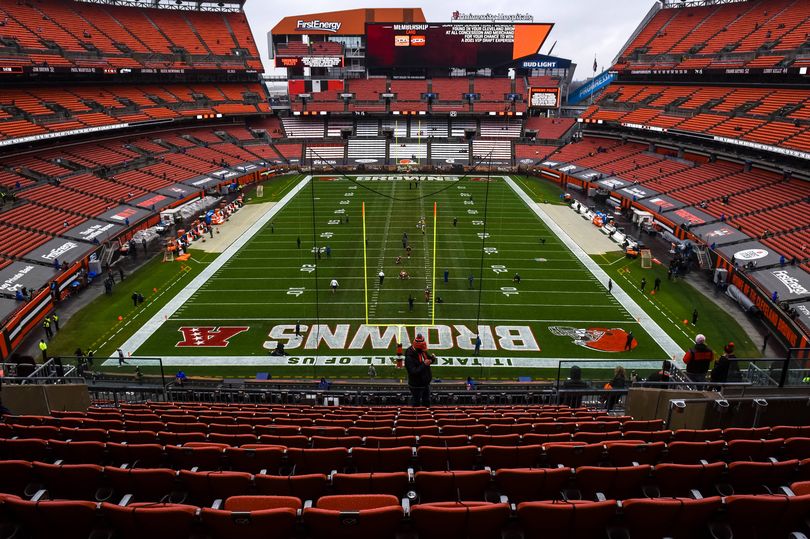
The Cleveland Browns' ambitious plan to build a new $3.6 billion stadium has faced a significant obstacle from the Ohio Department of Transportation (ODOT). The proposed Huntington Bank Field, which would serve as the team’s new headquarters, has been denied a permit due to concerns about its potential impact on air navigation near Cleveland Hopkins International Airport.
The ODOT's decision was communicated in a letter obtained by media outlets and sent to Clyde and Co. U.S. LLP, the law firm representing the Browns’ owner, Jimmy Haslam, through his Haslam Sports Group. In the letter, the department stated that the proposed structure would "pose an obstruction to air navigation" given its location and height.
The new stadium is planned to be built near Brook Park, a city in Cuyahoga County adjacent to Cleveland. The existing Huntington Bank Field is expected to be demolished as part of this transition. This development has raised several logistical challenges, particularly regarding the proximity of the new facility to the airport.
One of the main issues highlighted in the letter is the stadium's elevation. The proposed structure would extend 58 feet into a restricted area beyond the end of the east-west runway at the planned site. Although this area is primarily used for emergency wind conditions, FAA regulations strictly limit any construction within such zones, and there are no exceptions for NFL franchises.
The Haslam Sports Group and its development partner, Primacy Development LLC, have 30 days to request a hearing with ODOT-Aviation to challenge the rejection. Team spokesperson Peter John-Baptiste expressed surprise at the ruling, stating that the team's aviation consultants had not anticipated the decision.
“Our aviation consultants were surprised by ODOT's letter from two weeks ago, which is flatly at odds with the FAA's careful analyses and determinations resulting from well over a year of in-depth work, that found our proposed stadium poses no airspace hazards,” John-Baptiste said.
He also pointed out that ODOT acknowledged other existing structures in Ohio that exceed the height they now consider a violation. The team has already started working with ODOT to explain the stadium’s height and the detailed analysis that shows no safety or efficiency issues at Cleveland-Hopkins International Airport.
John-Baptiste emphasized the team’s commitment to moving forward with the project. “We expect both parties to continue working swiftly to bring this transformative project to Northeast Ohio,” he added.
The letter also suggests that relocation could be an option if the Browns decide to move their proposed structure elsewhere. If they choose this path, the ownership group would need to file a new 7460-1 Notice of Proposed Construction with the FAA. They believe that the stadium could meet height requirements if it were placed farther from the airport.
These plans come at a time when the Browns have only made the playoffs twice in the last 30 seasons. Cleveland has finished at the bottom of the AFC North in 15 of those seasons, raising questions about whether the new stadium will help turn around the team’s performance.
Despite these challenges, the Browns remain committed to their vision of building a state-of-the-art home stadium that will benefit the community and elevate the team’s presence in the region. The upcoming hearings and negotiations with ODOT will be critical in determining the future of this ambitious project.

Post a Comment for "Cleveland Browns Unprepared as $3.6 Billion Stadium Blocked"
Post a Comment