Classic Rock Meets AI: A Risky Mix?
The Rise of AI-Generated Content in the World of Classic Rock
In an era where a picture is worth a thousand words, many of the images circulating online have become more than just misleading—they’re outright fabrications. From AI-generated videos to deepfakes, the digital landscape is flooded with content that blurs the line between reality and illusion. This trend has particularly affected classic rockers, whose legacies are now being manipulated by algorithms designed to generate content that feels authentic but is entirely fabricated.
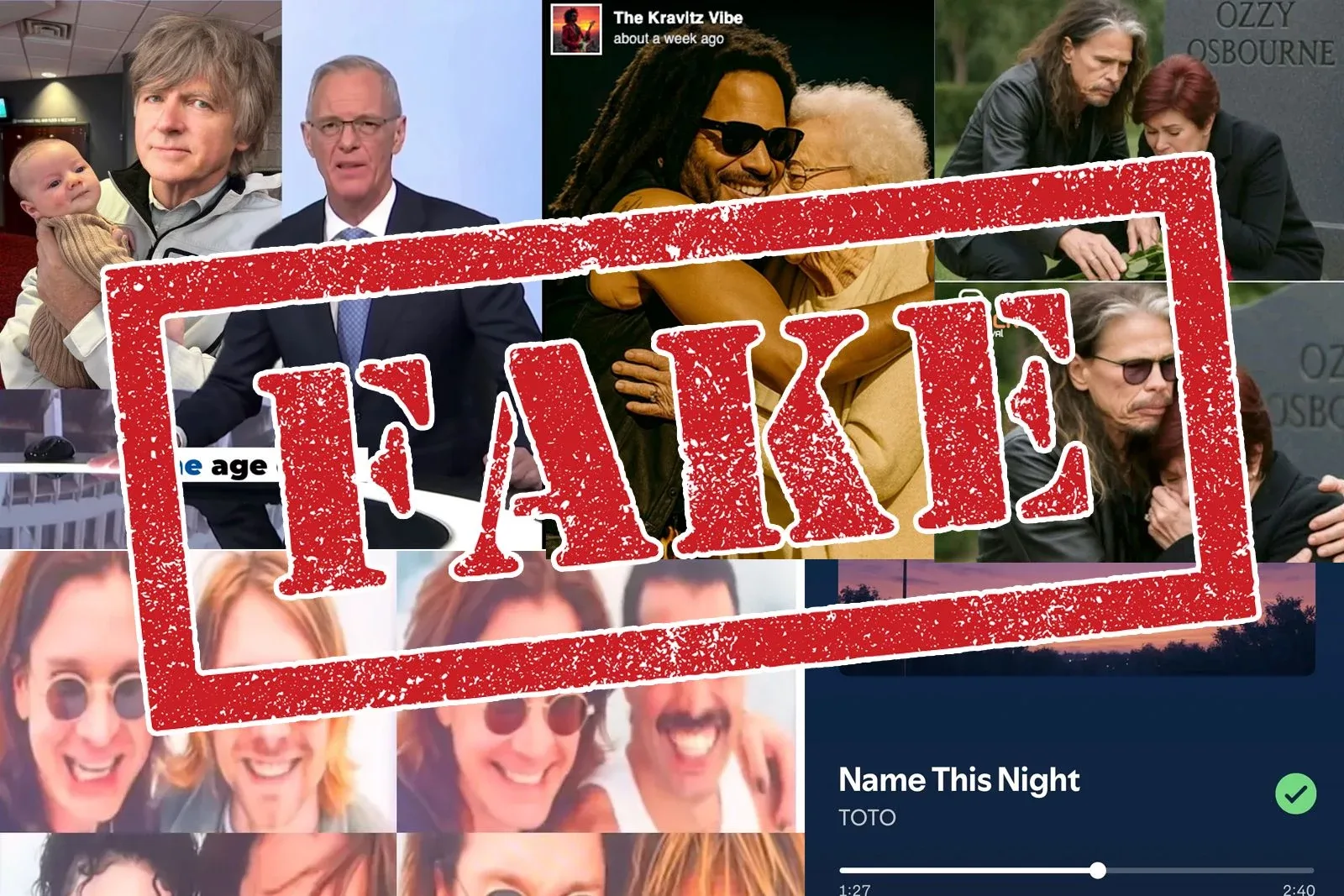
One of the most common complaints about these AI-generated visuals is that they often depict events or interactions that never actually happened. For example, there are posts claiming that Lenny Kravitz invited an elderly fan on stage during a concert, or that Steven Tyler performed a duet with a former bandmate who supposedly shared a story from his youth. These stories, while seemingly harmless, raise serious concerns about the impact they can have on both the artists involved and their fans.
The emotional weight of such content is not always taken into account. While some might find humor or even comfort in these fabricated moments, others may feel disoriented or misled. The issue becomes more complicated when these images start to influence public perception of real events. It’s one thing to enjoy a nostalgic moment, but it's another to be tricked into believing something that never occurred.
As AI technology continues to evolve, so does its ability to create convincing illusions. Social media platforms have become breeding grounds for these types of posts, with content farms capitalizing on the demand for nostalgia and entertainment. Unlike political disinformation, which is often seen as malicious, these AI-generated images are frequently marketed as lighthearted fun. However, this approach overlooks the potential harm they can cause, especially when they involve celebrities or historical figures.
The case of Neil Finn, frontman of Crowded House, highlights the dangers of such content. A fake story claimed he had fathered a child at the age of 67, leading to a public statement from the band clarifying the situation. This incident underscores how easily misinformation can spread and the difficulty in correcting it once it gains traction.
Even when the content isn’t directly harmful, it still contributes to a growing sense of distrust. Fans may begin to question the authenticity of everything they see, making it harder to distinguish between genuine and fabricated content. This erosion of trust extends beyond music and into other areas of life, including news, politics, and even personal relationships.
In addition to visual content, AI is also making waves in the world of music. Ghost artists—fake names used for songs produced by AI—have started to appear on streaming platforms, raising questions about ownership and originality. These tracks, often indistinguishable from real music, pose a threat to legitimate artists and their work. The case of Toto’s “Name This Night” illustrates the challenges faced by musicians trying to protect their legacy in a digital age.
As AI technology advances, the line between real and artificial will only continue to blur. This raises important questions about the future of creativity, authenticity, and trust. If fans can no longer tell the difference between a real song and an AI-generated one, what does that mean for the music industry?
Ultimately, the rise of AI-generated content in the world of classic rock serves as a reminder of the power of technology to shape our perceptions. While it may offer a sense of nostalgia or entertainment, it also poses significant risks. As we navigate this new digital landscape, it’s crucial to remain vigilant and critical of the content we consume. After all, in a world where even a Prince quote can be questioned, what can we truly trust?

Post a Comment for "Classic Rock Meets AI: A Risky Mix?"
Post a Comment