Chinese EV Giants Invest More in Overseas Factories Than Domestic Ones in 2024
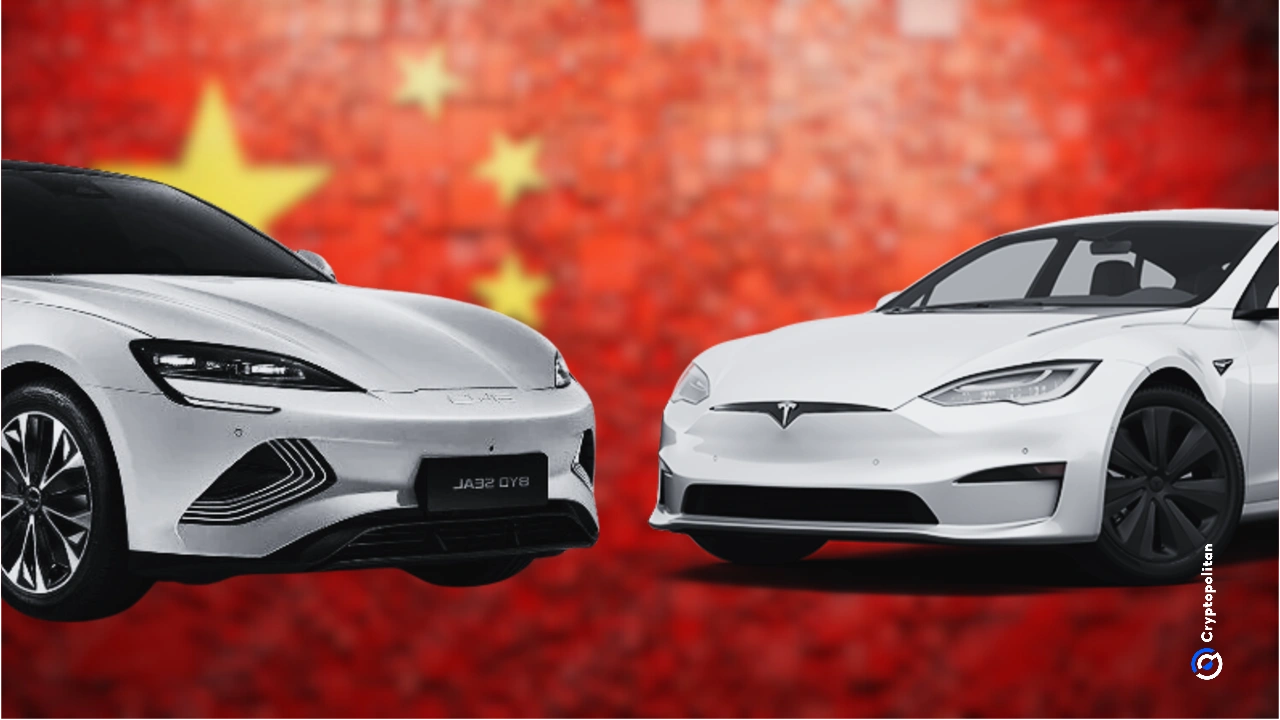
Shift in Investment: Chinese EV Companies Focus on Overseas Manufacturing
Chinese electric vehicle (EV) companies are making a significant shift in their investment strategies, with more capital being directed toward overseas manufacturing than domestic projects. This marks a pivotal change, as 2024 is the first year where foreign investments from the sector have surpassed those made within China. According to research from the Rhodium Group, this trend reflects a growing response to both internal and external pressures faced by the industry.
Growing Competition and External Challenges
Inside China, the EV market is highly competitive, with numerous players vying for market share. The pressure to innovate and maintain profitability is intense. Meanwhile, outside of China, the situation is equally challenging. Rising tariffs and stricter regulations, particularly in the European Union, have made exporting vehicles more difficult. As a result, many Chinese EV companies are adopting a new strategy: building where they intend to sell. This approach aims to circumvent trade barriers and better serve international markets.
Battery Plants Dominate Overseas Investment
The majority of the funds invested abroad in 2024 have gone into battery production facilities. These large-scale plants are crucial for manufacturing lithium-ion components and materials used in EVs. According to Rhodium, battery factories account for around 74% of the total overseas investment. While assembly plants are also expanding, they still lag behind battery production in terms of total value.
This shift has coincided with a sharp decline in domestic factory spending. In 2022, domestic investment in manufacturing exceeded $90 billion. That figure dropped to $41 billion in 2023 and further fell to $15 billion in 2024. Although the foreign investments are still smaller in absolute terms, they have now surpassed domestic spending for the first time.
Expansion of Foreign Manufacturing Facilities
Several new overseas factories are already operational. Great Wall Motor recently opened its first plant in Brazil, with plans to potentially expand further in the region. BYD, another major player in the Chinese EV market, started production at its Brazil factory in July. Despite facing fines earlier in the year related to labor practices, BYD continued its expansion efforts.
In Europe, Envision, a Chinese battery supplier, launched its first plant in France in June. However, the broader picture of China’s EV expansion reveals some challenges. Rhodium reported that only 25% of all announced overseas factory projects by Chinese EV firms have been completed, compared to a 45% completion rate for domestic projects. Additionally, projects outside China are twice as likely to be canceled entirely.
Political Concerns and Potential Restrictions
The Chinese government is closely monitoring the trend of outbound investment, particularly in strategic sectors like EVs. There are growing concerns about potential technology leaks, job losses, and the risk of industries becoming hollowed out as investment moves abroad. These concerns could lead to new restrictions on what companies are allowed to build overseas.
Rhodium highlighted that Chinese firms will need to navigate these political pressures while continuing their global expansion. The report emphasized that Beijing's increasing focus on protecting domestic interests may result in tighter controls on outbound investment in key sectors.
Conclusion
As Chinese EV companies continue to invest heavily in overseas manufacturing, the landscape of the global EV industry is rapidly evolving. While this shift presents opportunities for growth and market expansion, it also brings new challenges and regulatory scrutiny. The balance between international expansion and domestic priorities remains a critical issue for the future of the Chinese EV sector.

Post a Comment for "Chinese EV Giants Invest More in Overseas Factories Than Domestic Ones in 2024"
Post a Comment