China's First Manned Tilt-Rotor Soars into the Skies
Introduction to China's Emerging Tiltrotor Technology
China is making significant strides in aviation technology, particularly with the development of its first crewed tiltrotor aircraft. This innovation has sparked interest and speculation about its potential applications, both civilian and military. While the current focus appears to be on passenger transport, the future could see this aircraft adapted for more strategic purposes.
Design and Development of the Tiltrotor Aircraft
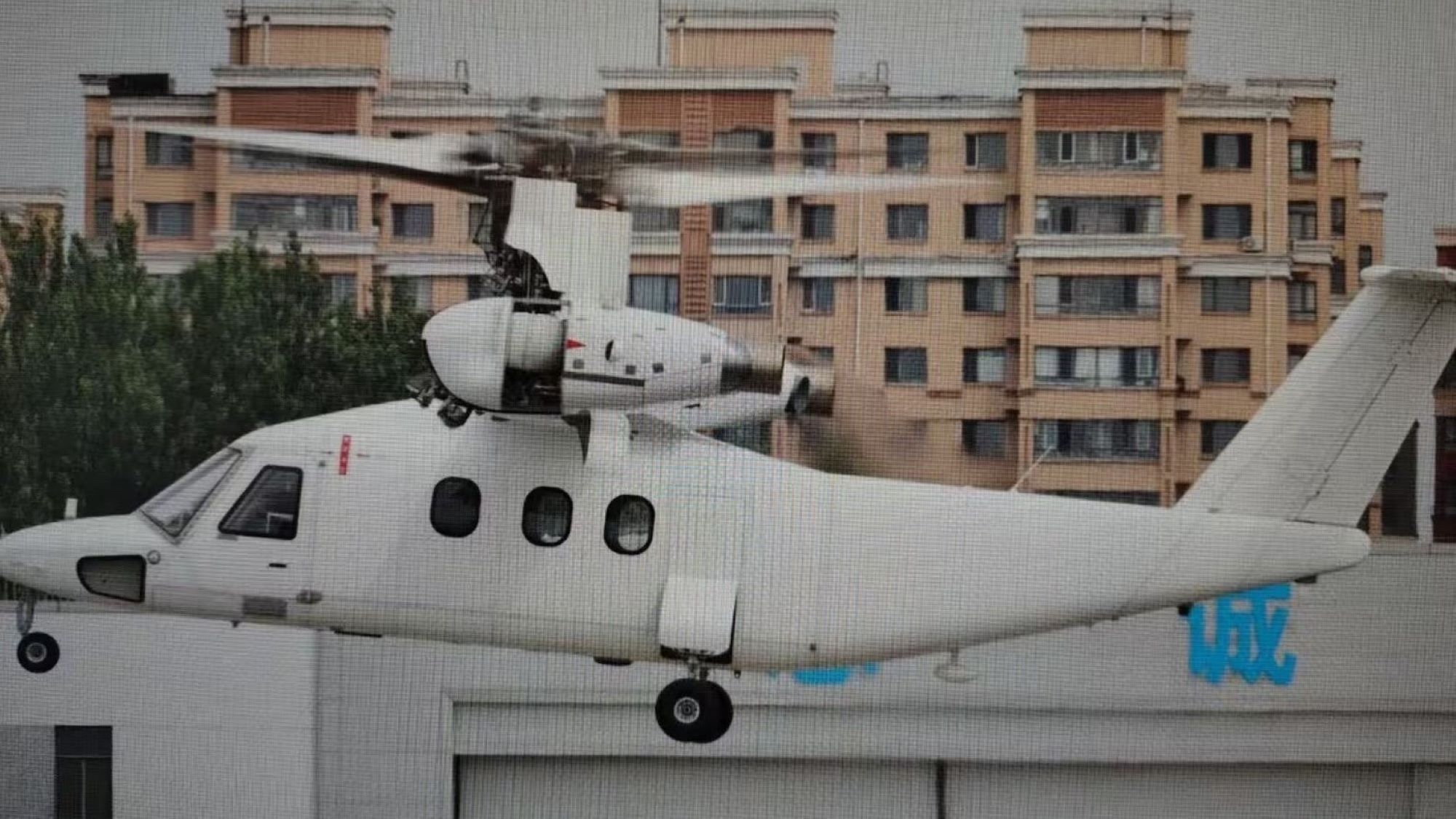
The aircraft resembles the Bell V-280 Valor, with a unique design that allows only the prop-rotor to pivot forward instead of the entire engine nacelle. This configuration reduces technical complexity, making it easier to manufacture, maintain, and repair compared to other tiltrotor models like the V-22 Osprey or the Leonardo AW609.
An image of the tiltrotor prototype was captured during its maiden flight, and a small-scale model was also displayed at an exhibition. The design features three passenger cabin windows on each side, suggesting it could serve a large market within China, especially in urban mobility and connecting remote regions.
Testing and Technical Specifications
During testing, the tiltrotor is likely to undergo basic lift-off, hover, and flight control system checks before more expansive tests. The aircraft has a 'high T-tail' configuration and access doors for the cockpit and rear cabin. It is designed to carry between six to twelve people, with a shrouded prop-rotor covering the rotor hub. The tricycle landing gear features a single wheel on each unit, and additional images show another aircraft with missing wing panels and visible wiring.
While the PLA's current interest in the tiltrotor remains unclear, the aircraft’s range advantage over helicopters could still make it valuable for logistical roles. Hafei Aviation Industry, part of Harbin Aircraft Industry Group (HAIG), is the likely developer, given its history with military helicopters such as the Z-9, Z-20, and Z-19.
Unmanned and Electric Vertical Take-Off Landing (eVTOL) Developments
In addition to the manned tiltrotor, China has also developed an unmanned tiltrotor called UR6000. First unveiled at the Singapore Air Show in February 2024, it was later spotted in October 2024 at Wuhu United Aircraft's facility. According to Jane's, the UR6000 is a fully autonomous platform designed for cargo and passenger transport, with a maximum take-off weight of 6,100 kg and a cruise speed of 550 km/h.
Another notable development is the AE200 eVTOL by Aerofugia, unveiled in July 2025. It completed all test items related to tiltrotor transition flights and aims to complete airworthiness certification by 2026. Both the UR6000 and AE200 feature prop-rotors that tilt forward and upward, similar to the Bell V-280 Valor.
Strategic Implications and Future Prospects
Currently, the PLA Navy's operations are focused on offshore reclaimed island bases in the South China Sea and the western Pacific. Existing airlift capabilities support these deployments without the need for a fast-moving tiltrotor. However, if China expands its blue water operations, the tiltrotor could become more relevant.
Harbin might also target the offshore energy sector, where ferrying men and materials to oil rigs is essential. Chinese energy companies like CNOOC, Sinopec, and CNPC could potentially acquire the aircraft. Additionally, targeting developing countries through the Belt and Road Initiative offers new markets for this technology.
As China continues to develop and refine its tiltrotor technology, the implications for both civilian and military applications remain significant. The future of this aircraft will depend on various factors, including technological advancements, strategic needs, and market demands.

Post a Comment for "China's First Manned Tilt-Rotor Soars into the Skies"
Post a Comment