China, SpaceX, or NASA: Who Will Reach Mars First?
The Players in the Mars Race
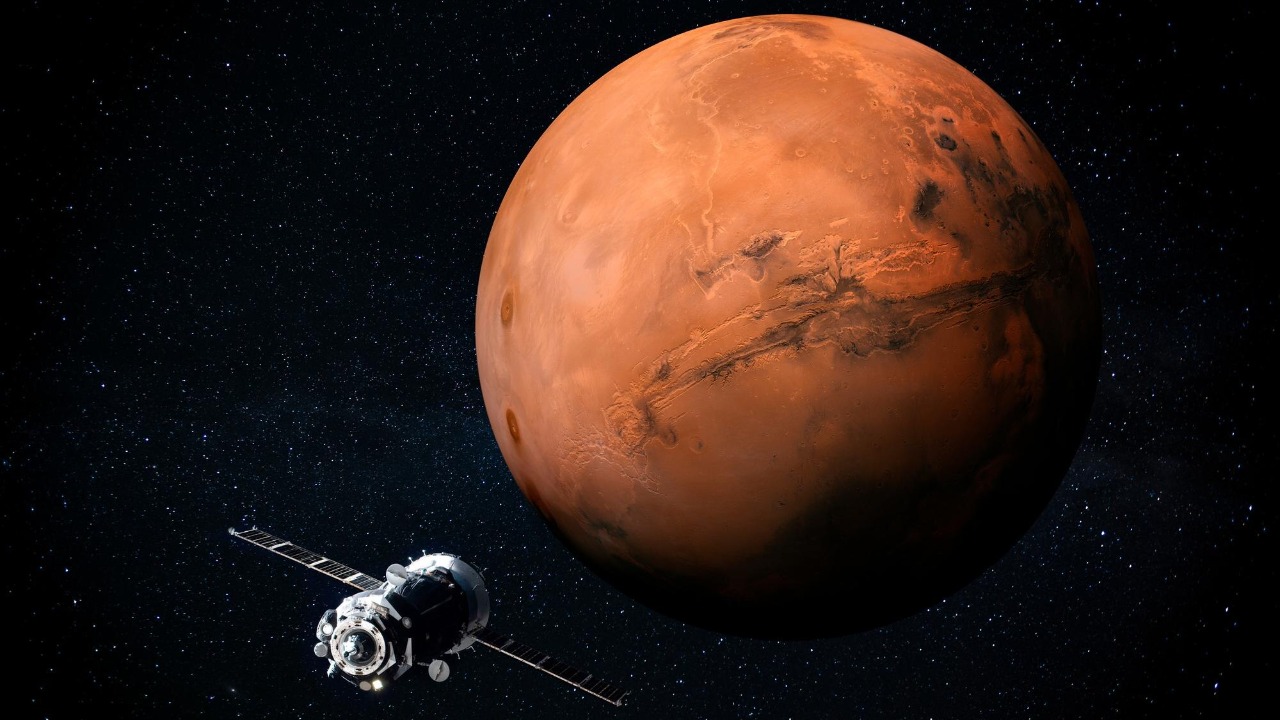
Space exploration has entered a new era, with multiple global players aiming to be the first to land humans on Mars. Among the most prominent are China, SpaceX, and NASA, each bringing unique strategies, capabilities, and challenges to this ambitious endeavor. Their efforts reflect not only technological prowess but also geopolitical and economic considerations that shape the future of interplanetary travel.
China has emerged as a major force in space exploration, marked by several successful missions that have positioned it as a leading spacefaring nation. The Tianwen-1 mission, which successfully deployed the Zhurong rover on Mars, demonstrated China’s growing capability in deep-space exploration. This achievement follows other milestones, such as the Chang’e lunar missions and the construction of the Tiangong space station, highlighting the country’s commitment to advancing its space program through strategic planning and significant investment.
SpaceX, under the leadership of Elon Musk, represents the private sector's most aggressive push toward Mars. The company’s Starship program is at the core of its ambitions, aiming to develop a fully reusable spacecraft capable of transporting large numbers of astronauts and cargo to the Red Planet. With a focus on cost-effective solutions and rapid development, SpaceX has redefined what is possible in commercial spaceflight.
NASA, with its long history of space exploration, remains a key player in the race to Mars. From the Apollo moon landings to the recent success of the Perseverance rover, the agency has consistently demonstrated its ability to achieve complex space missions. Its current focus is on the Artemis program, which aims to return humans to the Moon as a stepping stone for future Mars missions. Through international collaborations and partnerships with private companies, NASA is leveraging its extensive experience to maintain its leadership in space exploration.
China’s Mars Mission Strategy
China’s approach to Mars exploration is driven by an ambitious timeline and substantial investments in advanced space technology. The country has outlined plans for a manned mission to Mars by the 2030s, building on the success of its robotic missions. Government funding plays a crucial role in supporting these efforts, with a particular emphasis on developing technologies such as nuclear-powered rockets and long-duration space habitats.
Collaborations with other countries and organizations further strengthen China’s position in the space race. Partnerships with Russia and the European Space Agency have provided valuable expertise and resources, enhancing China’s capabilities in deep-space exploration. However, the journey to Mars presents numerous challenges, including the need for robust life support systems, radiation protection, and sustainable propulsion technologies. Overcoming these hurdles will be essential for China to achieve its Martian goals.
SpaceX: The Private Sector Pioneer
At the heart of SpaceX’s Mars ambitions is the Starship program, a revolutionary spacecraft designed to transport up to 100 people or large amounts of cargo to Mars. This vision aligns with SpaceX’s goal of establishing a self-sustaining colony on the Red Planet. The company’s track record of innovation, including the development of reusable Falcon rockets, has significantly reduced the cost of space travel and set the stage for more ambitious missions.
Despite its achievements, SpaceX faces significant financial and technical challenges. The development of Starship requires substantial investment and resources, and ensuring the spacecraft’s safety and reliability for long-duration missions remains a critical hurdle. Nevertheless, SpaceX’s determination and groundbreaking approach continue to inspire confidence in its ability to achieve its Martian objectives.
NASA: The Traditional Powerhouse
NASA’s Artemis program is a vital component of its strategy for future Mars missions. By returning humans to the Moon, the agency aims to develop and test the technologies needed for long-duration space travel, while also establishing a lunar base that could serve as a launch point for Martian expeditions. This approach leverages NASA’s extensive experience in human spaceflight and its ability to collaborate with international partners and commercial entities.
However, NASA’s plans are not without challenges. Budgetary constraints and political factors can impact the timeline and scope of its Mars missions. Securing consistent funding and support from the U.S. government is essential for NASA to maintain its leadership in space exploration. Despite these challenges, the agency’s commitment to its goals and its ability to adapt to changing circumstances make it a formidable competitor in the race to Mars.
Comparative Analysis and Predictions
Each of the three entities—China, SpaceX, and NASA—brings unique strengths and challenges to the Mars race. China’s rapid advancements in space technology, supported by substantial government funding, position it as a strong contender. SpaceX, with its innovative approach and focus on cost-effective solutions, has the potential to outpace traditional space agencies. Meanwhile, NASA’s experience and collaborative approach provide a solid foundation for its Martian ambitions.
The potential for collaboration or competition among these entities adds another layer of complexity to the race. While competition can drive innovation and progress, collaboration could accelerate the timeline for reaching Mars by combining resources and expertise. Experts in the field have varying predictions on who might reach Mars first, with factors such as technological breakthroughs, financial resources, and geopolitical considerations playing a crucial role in determining the outcome.
Ultimately, the race to Mars is not just about who gets there first, but also about the potential for human exploration and settlement of another planet. Whether it is China, SpaceX, or NASA that leads the way, the journey to Mars will undoubtedly be a monumental achievement in the history of space exploration. As each entity navigates the challenges and opportunities ahead, the world watches with anticipation and excitement for the next giant leap in human spaceflight.

Post a Comment for "China, SpaceX, or NASA: Who Will Reach Mars First?"
Post a Comment