China Launches Childcare Subsidy to Spur Birth Rate Growth
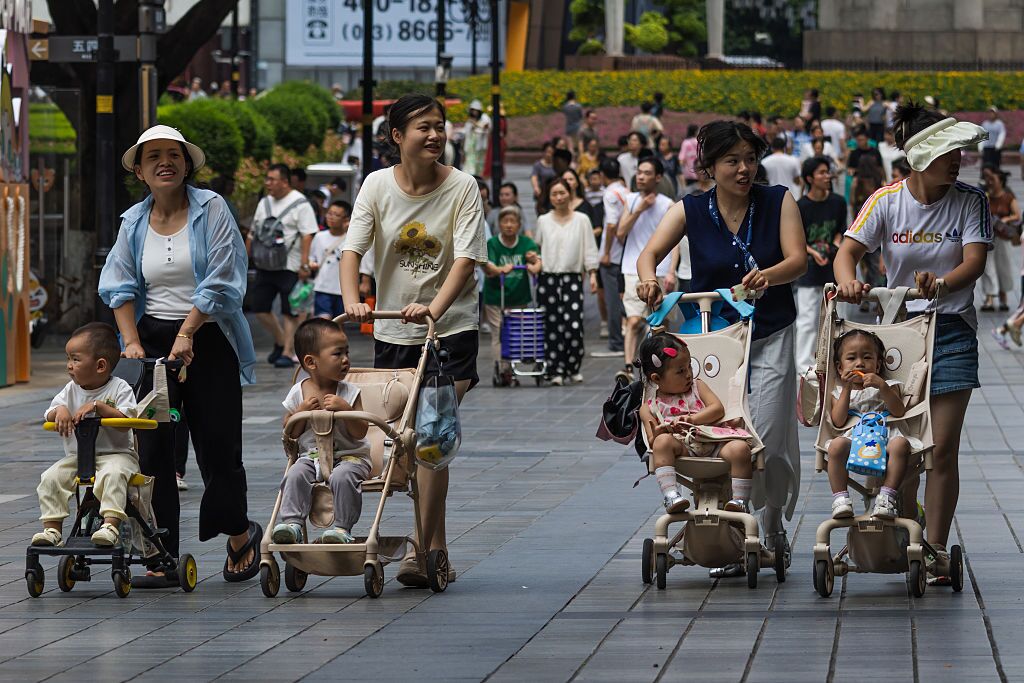
China Launches Nationwide Childcare Subsidies to Address Declining Birthrates
China has taken a significant step in its efforts to reverse the declining birthrate by announcing a nationwide childcare subsidy program. This initiative marks one of the most substantial measures yet aimed at encouraging families to have more children, especially as the country faces a long-term demographic challenge.
The government will provide 3,600 yuan ($502) annually per child under the age of three. The assistance is retroactive, starting from January 1 this year, and applies to all children regardless of whether they are the first, second, or third in the family. This move is designed to ease the financial burden on young couples who are increasingly hesitant to start or expand their families due to rising costs associated with raising children.
According to reports, the policy is expected to benefit over 20 million families each year. In addition to this subsidy, China has previously introduced tax breaks and has been working to make daycare services more affordable. These efforts are part of a broader strategy to address the nation's demographic challenges.
A Shrinking Population and Its Implications
The decline in birthrates has become a growing concern for China’s economy. The population shrank for the third consecutive year in 2024, with only 9.54 million new births recorded—half the number from 2016 when the one-child policy was abolished. This downward trend poses risks to the labor supply and productivity, which are crucial for maintaining economic growth.
China lost its title as the world's most populous country to India in 2023, and projections suggest that its population could drop further, reaching 1.3 billion by 2050 and possibly below 800 million by 2100, according to the United Nations' demographic modeling.
A key factor behind this decline is the sharp drop in marriage rates. Last year, the country recorded the lowest marriage rate in nearly half a century, with a 20% decrease from the previous year. Over the past decade, the number of marriages has plummeted from 13.47 million in 2013 to 6.11 million in 2024. Additionally, the average age at first marriage has risen significantly, from 24.9 in 2010 to 28.7 in 2020. Since most births occur within marriages, this trend could lead to a further decline in birth rates.
Regional Initiatives and Success Stories
While the national subsidy is a major development, many cities have already implemented their own initiatives to encourage larger families. These local programs often include financial incentives, housing support, and other benefits aimed at making child-rearing more attractive.
For example, Hohhot, the capital of Inner Mongolia, gained national attention for offering 50,000 yuan to couples with a second child and 100,000 yuan for a third or more. Some cities also provide subsidies for home purchases, further easing the financial strain on families.
In Tianmen, a city in Hubei province, the introduction of a 90,000 yuan subsidy for second children and higher amounts for third children led to a 17% increase in births in 2024 compared to the previous year. These results suggest that targeted financial incentives can have a measurable impact on birth rates.
National Policy and Future Outlook
At this year’s National People’s Congress, the government outlined plans to expand childcare subsidies and improve services for pregnant women. While specific details remain unclear, several lawmakers and political advisers have proposed extending maternity leave and creating a "fertility-friendly society." These discussions highlight the growing recognition of the need for comprehensive policies to address the demographic crisis.
The childcare subsidy program represents a critical step in China’s ongoing efforts to reverse the trend of declining birthrates. However, the success of these measures will depend on continued investment, effective implementation, and addressing the broader social and economic factors influencing family planning decisions.

Post a Comment for "China Launches Childcare Subsidy to Spur Birth Rate Growth"
Post a Comment