Chicago expert warns as U.S. EPA targets greenhouse gas rules
U.S. EPA Proposes Repealing Key Climate Regulation
The U.S. Environmental Protection Agency (EPA) has announced plans to roll back a critical component of the Clean Air Act, specifically the 2009 Endangerment Finding that identified greenhouse gases as a threat to public health and welfare. This move has sparked significant concern among climate experts, environmental groups, and state officials.
The decision comes as part of a broader effort by the Trump administration to reduce federal regulations on emissions. Lee Zeldin, President Trump’s nominee to lead the EPA, highlighted the proposal during a speech at an Indiana auto dealership. He stated that if finalized, this action would be the largest deregulatory move in U.S. history. The plan includes eliminating greenhouse gas standards, such as those for light-, medium-, and heavy-duty vehicles, and removing mandates for electric vehicles.
The 2009 Endangerment Finding was a pivotal moment in climate policy. It recognized six specific greenhouse gases — carbon dioxide, methane, nitrous oxide, hydrofluorocarbons, perfluorocarbons, and sulfur hexafluoride — as harmful to public health and the environment. This determination laid the groundwork for numerous regulatory actions aimed at reducing emissions and combating climate change.
Howard Learner, CEO of the Environmental Law and Policy Center, emphasized the importance of the 2009 finding, calling it the "fundamental linchpin" of the Clean Air Act. He criticized the EPA's proposal as a denial of scientific consensus on climate change. "Climate change is real. It's happening," he said. "That can't be denied as a basis of scientific fact."
Learner also pointed out the potential consequences for Illinois, particularly in the Chicago area. He warned that the proposed changes could lead to dirtier air and increased contributions to climate change. These impacts are already evident in changing weather patterns, health risks, and effects on the Great Lakes.
In a news release, the EPA claimed that the 2009 finding led to "significant uncertainties and massive costs" for American consumers and automakers. The agency stated that the proposal would eliminate all greenhouse gas standards for various vehicle types and remove features like start-stop technology from new cars.
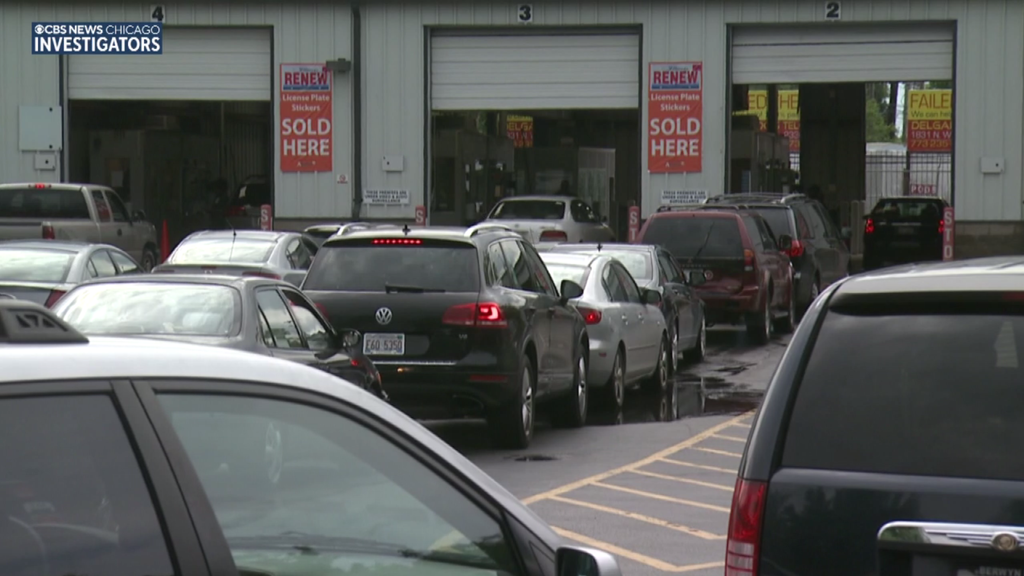
When asked about the potential impact on vehicle emissions tests in Illinois, the Illinois EPA noted that it is too early to determine the effects. However, Learner stressed that this is an opportunity for the state to take action. "We're going to be looking for Illinois to step up to make sure people here have healthier, clean air," he said.
The EPA's proposal is not yet final. A 45-day public comment period will begin immediately, allowing citizens to voice their opinions. Environmental groups are expected to challenge the rule in court, arguing that it undermines science-based policies and jeopardizes future climate initiatives.
The Illinois EPA issued a statement acknowledging the proposal but emphasizing that it does not immediately affect existing state laws or vehicle emissions testing requirements. The agency will review the legal and technical aspects of the proposal, which it believes contradicts established scientific evidence and Supreme Court precedent.
Illinois Governor JB Pritzker condemned the move, calling it a reckless action that endangers public health and exacerbates the climate crisis. He reiterated the state's commitment to science-based environmental policies, stating that Illinois will continue to implement measures that protect residents and promote a clean energy economy.
As the debate over the EPA's proposal continues, the implications for public health, environmental protection, and future climate policy remain significant. The outcome of the public comment period and potential legal challenges will shape the direction of U.S. environmental regulation for years to come.

Post a Comment for "Chicago expert warns as U.S. EPA targets greenhouse gas rules"
Post a Comment